
A loose concert flyer under a leaking plant pot, a cassette left in a hot attic: both can lose more than their condition. If you keep records of an independent music scene, clearing space also means protecting the details that connect a release to a venue, a date or the people involved. The goal is a usable home and an archive that still makes sense when you return to it.
Material on Finnish thrash metal from the late 2000s through the mid-2010s can end up everywhere: records by the stereo, tickets in coat pockets, CDs in a bedroom, photographs on an old computer and posters rolled in a closet. Working room by room helps you find those items without turning the entire collection into one enormous pile.
Set the rules before opening a drawer
Start with one shelf or drawer, and decide where the session will stop. Otherwise, every find can lead to a discography search. Set out four destinations: keep in use, archive or review, pass on and dispose of responsibly. Use a separate temporary folder for anything whose identity or ownership needs checking. You do not have to settle the question of a mystery disc while clearing a room.
Set a rule for duplicates, too. Two copies of an album may differ in pressing, dedication or inserts. On the other hand, you may not need to keep every unmarked copy of a widely available flyer. Check condition and distinguishing features before separating an item from its packaging.
- Keep a pen, labels and clean envelopes nearby so loose paper does not lose its context.
- Photograph an arrangement before taking it apart if the placement records a connection, such as a ticket stored with a set list.
- Write down uncertainties instead of turning guesses into catalogue facts.
- Set a limit for the day. Finishing one drawer beats leaving several rooms in disorder.
Entryway: collect the material that arrives with you
Bags and coat pockets often hold the newest, least protected traces of concert life: folded posters, venue handbills, tickets and merchandise receipts. Empty one bag at a time. Check pockets before washing or donating clothes, and lay paper on a clean surface away from wet shoes.
Group items by event only when the connection is clear. A ticket and a flyer may name the same venue, but a date on one does not prove they came from the same performance. If you cannot establish the event, record where you found the item instead: “found in black canvas bag, April 2025” is more useful than an invented concert attribution. Throw out ordinary rubbish; put anything that might establish a date, lineup, venue or independent release in the review group.
Give incoming material one landing place, perhaps a shallow tray away from radiators and drinks, and empty it regularly. Otherwise, damp, creases or an accidental clear-out may make the archival decision for you.
Living room: make the record shelf readable
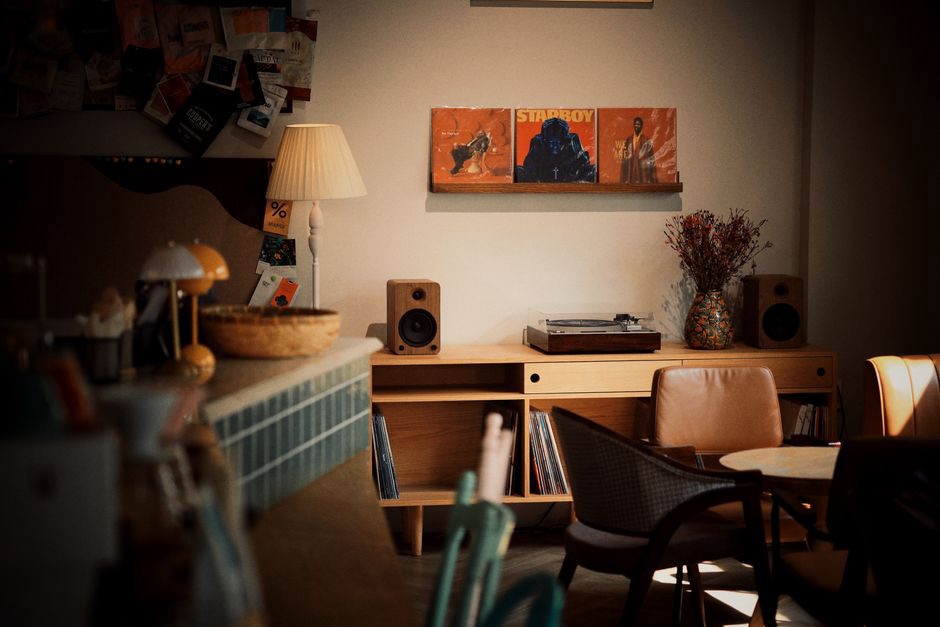
Records beside a listening setup are easy to reach and easy to overfill. Take down one shelf, wipe it dry and check for warped sleeves, separated seams or paper stuck to surfaces. Handle discs by their edges and labels. Keep each disc with its original sleeve and inserts unless a conservation problem calls for temporary separation.
File the shelf according to the questions you actually ask. You might group Finnish bands together, or sort by format, label or release year. Choose one main system and note the exceptions. Alphabetical filing only helps if names are consistent; when a band’s name appears in several stylized forms, choose one catalogue entry and note the variations if they matter.
Leave room to remove an LP without tugging its neighbors forward. Heavy flat stacks put pressure on the records at the bottom, while cramped upright shelves make sleeves hard to inspect. Avoid direct sun, heat and damp walls. Isolate anything visibly damaged or moldy rather than returning it to clean copies.
Keep listening copies and evidence distinct
A well-played copy may be the one you reach for, while a signed or unusual edition is better handled less often. They can live in different places if the catalogue explains why you have two. Before passing on an apparent duplicate, check the matrix information, artwork, inserts and marks that identify its edition. An unfamiliar pressing is not necessarily rare; put uncertainty in a note, not in a valuation.
Kitchen and dining area: clear surfaces without losing context
A kitchen table offers space for sorting, but food, steam and spills make it a poor place to store recordings or paper. Remove cups, food waste and anything wet first. Move archival items to a clean, dry surface before wiping the table, and keep cleaning sprays away from open sleeves, photographs and inserts.
Give receipts a quick look before discarding them. A grocery receipt has little archival value, but one from a small-label order may show where a release came from, especially when other identifying material is missing. Thermal paper can fade, so copy useful details into the catalogue. Remove personal information from anything you intend to display publicly or transfer.
Do not let a sorting session turn into permanent table storage. At the end, put each item in a labeled container or back where it belongs. An open pile will not reliably preserve which note goes with which record.
Bedroom and closet: handle merchandise, boxes and textiles
Bedrooms and closets tend to collect tour shirts, patches, shipping boxes and crates left over from a move. Separate what you wear from what you keep as documentation. A shirt can be both, but regular wear may fade its print. If you are storing it, make sure it is clean and completely dry before folding it; do not seal damp fabric in plastic.
Check old boxes before flattening them. An address label may expose private information, while a label name or dated packing slip may help establish how a release reached you. Keep the useful information and protect personal details. Recycle packaging with no documentary value according to local rules rather than storing it alongside the recordings it once carried.
Do not force a brittle poster crease flat. Put sound, loose sheets in folders that fit them, and separate posters with visible damage or adhesive residue from clean paper. Tightly rolling a poster into a small tube may save space now but cause creases. A closet prone to damp or marked temperature changes is better reserved for everyday objects than paper archives.
Use a review box, not an indefinite mystery box
A review box helps with items you cannot yet identify, provided it has a limit. List its contents and set a date to revisit them. Keep uncertain photographs, badges and shirts in separate sleeves or folders so they do not rub against one another. When the box fills, answer some existing questions before adding more.
Home office: sort documents and digital files together
The paper trail of a scene may share a room with the devices holding its digital record. Work through small groups: correspondence, interviews, show materials, release notes and photographs. Preserve original dates and wording when they matter. A handwritten correction on a draft can tell you more than a clean final copy, as long as you identify the draft accurately.
Make a copy of digital material before reorganizing folders or renaming files. Then open the files and check their contents: several may be called “final,” and the newest-looking filename may not identify the definitive version. If you rename a file, note its original name when that name carries useful context. Record the connection between a scan and its physical original so the scan is not mistaken for a separate acquisition.
Keep access rights distinct from ownership. Having a flyer, photograph or recording does not automatically give you permission to publish or distribute it. Take particular care with private correspondence and unpublished recordings. You can document an item’s existence without making its contents public, and you should not pass along unwanted recordings by unauthorized copying.
Garage, attic and basement: inspect before moving material inside
Overflow storage can expose paper and recordings to moisture, dust and temperature swings. Inspect the space before opening boxes elsewhere. If you find a musty smell, water marks or visible growth, keep affected items away from clean collections and do not brush suspected mold indoors. Extensive contamination may call for specialist advice.
Make a quick inventory where the boxes are stored: box number, broad contents and visible condition. Bring items into a clean room in small batches, keeping each group’s source clear. This also helps contain a dusty storage problem. Wear appropriate protection when handling dusty containers, and wash your hands afterward.
Do not return valued recordings to an attic or garage just because a high shelf is empty. Find a more stable indoor spot where you can inspect them periodically. If there is not enough safe space at home, prioritize unique material and consider whether a suitable institution or responsible collector could accept some items under agreed terms.
Finish each room with a record of what changed
Keep a brief inventory for each completed space. A notebook will do: record the room, shelf and box number. For anything you might cite in writing about the scene, add its format, title or description, any date actually printed on it, its source if known and whatever remains uncertain. Separate what you can see from what you infer. “Flyer names three bands” is an observation; “all three played that night” may need more evidence.
Keep a small, accessible area for material awaiting identification rather than a second collection hidden in a cupboard. If an item leaves your home and its whereabouts matter to the archive, record where it went. For a donation or loan, agree on what is being transferred and keep a copy of the list. Ordinary household goods need no such treatment; you do not have to catalogue every spare mug.
At the end of a session, return your tools and unfinished items to their labeled places. If a newly found flyer has no reliable date, put it in an envelope marked “date unverified,” note its box number and clear the table. The research can wait; the flyer will still be findable.