A balcony chair that feels comfortable in July can be miserable on a windy April evening. Before buying anything, step outside at the hours you hope to use the space. See where the sun falls, which corner catches the wind, and whether rain blows in sideways. Those observations are a better starting point than a floor full of accessories.
Start with the balcony you have
Measure the usable floor area, the door swing, the railing height, and the space needed to walk past someone who is sitting down. On a narrow balcony, one comfortable chair and a folding table may work better than a small dining set that blocks the route to the door. If the door opens outward, leave room for its full arc even after you add cushions or plants.
Check building rules and lease conditions before installing screens, wall fixtures, heaters, or planters that extend beyond the railing. Balconies have structural load limits; heavy planters, wet soil, water-filled containers, and stored equipment add weight quickly. If you do not know the limit, ask the building manager rather than guessing. Leave drains, inspection points, and fire-escape routes clear.
Then tackle whatever cuts your visits short. It might be afternoon glare, a cold metal seat, or a persistent draft. Fixing that one problem will usually help more than changing the whole setup each season.
Make seating easy to use and easy to store
Judge a chair by how it feels after twenty minutes, not just by whether it fits. You need enough support and room to shift position. Folding or stackable furniture is useful if the balcony serves several purposes, but test its stability on the actual floor. You should be able to stand up without pushing the chair against the railing.
Cushions make a hard seat much more inviting if you have a dry place to keep them. Water-resistant fabric is not waterproof storage, and cushions left damp can develop mildew and odors. An indoor basket or closet shelf may be safer than a balcony box exposed to driving rain. Before storing cushions for a long stretch, wash or air them as their care labels direct.
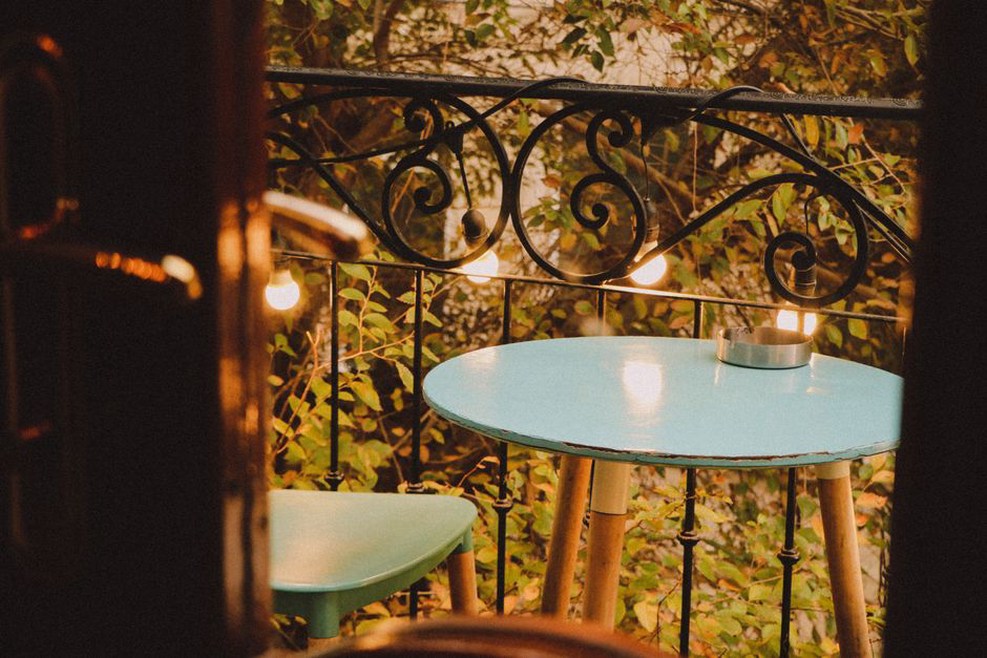
Handle sun, wind, and rain without creating hazards
Shade that suits the exposure
Midday shade may be useless against low evening sun coming through the railing. Depending on the exposure, moving the chair, adjusting a shade, or using a permitted side screen could work better than an umbrella. Secure any shade as its manufacturer directs, and close or remove it when the wind picks up. Even a modest umbrella or sail can catch a surprising amount of wind.
Wind and wet weather
A screen may soften a draft, but it must not block ventilation, drainage, or emergency access. Do not attach solid panels to railings without permission; wind pressure on them can be substantial. On a breezy balcony, try a low-profile chair, heavier outdoor-rated accessories, and fewer loose objects. Bring lightweight things indoors before a storm instead of trusting decorative weights to hold them down.
Overhead cover does not always keep out rain. After a shower, check where water lands and collects, then move furniture legs and rugs away from puddles. Choose a rug made for outdoor use and lift it regularly so the floor underneath can dry. A rug that stays wet can become slippery or trap moisture against the floor coating.
Adjust the setup as temperatures change
Spring: make the first usable days count
A warm spring afternoon can turn cold soon after sunset. Keep a washable throw indoors near the balcony door and use a cushion to insulate yourself from a cold chair. After winter, clean the floor and drainage area. Check furniture joints, planter supports, and shade hardware before putting them back into regular use. If you have an exterior outlet, check its condition and use only equipment rated for outdoor conditions.
Summer: reduce heat before adding more things
Shade the seat during the hours you actually use it. Light-colored, breathable textiles generally feel cooler in direct sun than dark, dense ones. A small side table keeps water and a book within reach; extra objects may just get hot or blow away.
Water plants according to their needs and the exposure of their containers. A pot in direct sun can dry faster than one in shade. Use saucers where allowed, and empty standing water before it spills onto neighbors below or attracts insects.
Autumn and winter: be selective
When it gets cold, a sheltered chair, an extra layer, and a shorter visit may make more sense than a heater. If you are considering one, first confirm that your building permits it and that the appliance is suitable for balcony use. Follow its clearance and power requirements exactly. Never use a barbecue, fire pit, or fuel-burning heater on an enclosed or partly enclosed balcony: fire and carbon monoxide risks are serious.
In freezing weather, keep drainage openings free of ice, snow, rugs, and stored furniture. Remove snow only if building rules allow it, and never drop it over the edge. Bring cushions and fragile pots indoors, and check whether planted containers can withstand freezing. A chair left ready for a sunny winter afternoon can be more useful than a setup that takes work to maintain.
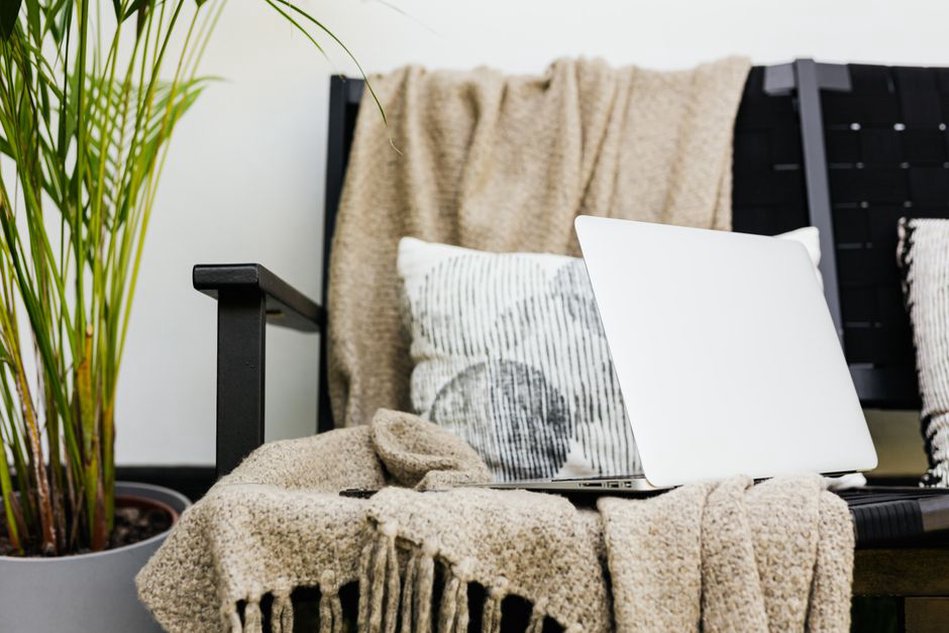
Use light and greenery with your neighbors in mind
Good balcony lighting lets you see where you are going without shining into nearby homes. Choose outdoor-rated, low-glare lights rather than bright exposed bulbs. For electrical lighting, follow outlet and extension-cord safety guidance; indoor cords and fixtures are not made for wet conditions. Battery-powered lights may be simpler if safe outdoor power is unavailable, though their batteries and fixtures still need checking.
Plants can soften the space and provide a little privacy. Choose containers you can secure without drilling or hanging them beyond the railing, and account for the weight of wet soil. Check each plant's eventual size and whether your balcony offers the sunlight or shelter it needs. Keep leaves, spilled soil, and drainage water out of neighbors' spaces. A few plants at seated eye level may give you enough privacy without a dense screen.
Keep a small maintenance routine
- After strong wind: check movable furniture, screens, and planter supports.
- After heavy rain: look for pooled water and let cushions and rugs dry fully.
- At each seasonal change: clean drains, inspect furniture, and store items you will not use.
Give every loose item on a compact balcony an indoor storage place. Keep the chair stable and the path to the door clear, with a dry cushion close enough to grab on your way out. If sitting outside takes only a few seconds of preparation, you are more likely to do it.