Keep your emergency kit somewhere everyone in the household can reach it, and make sure they know where it is. A sealed bottle of water is no help if nobody can get to it when the tap stops working. The kit’s job is to cover essential needs during a short disruption to water, power, transport, or local services—not every disaster you can imagine.
Start with at least three days of supplies, then adjust for the people and animals in your household, your climate, and local hazards. Follow local emergency authorities where their guidance differs, especially on evacuation routes, water storage, and medical needs. A sturdy bin can hold the home supply; keep a smaller grab bag for things you would need to take with you.
Start with water and food you can actually use
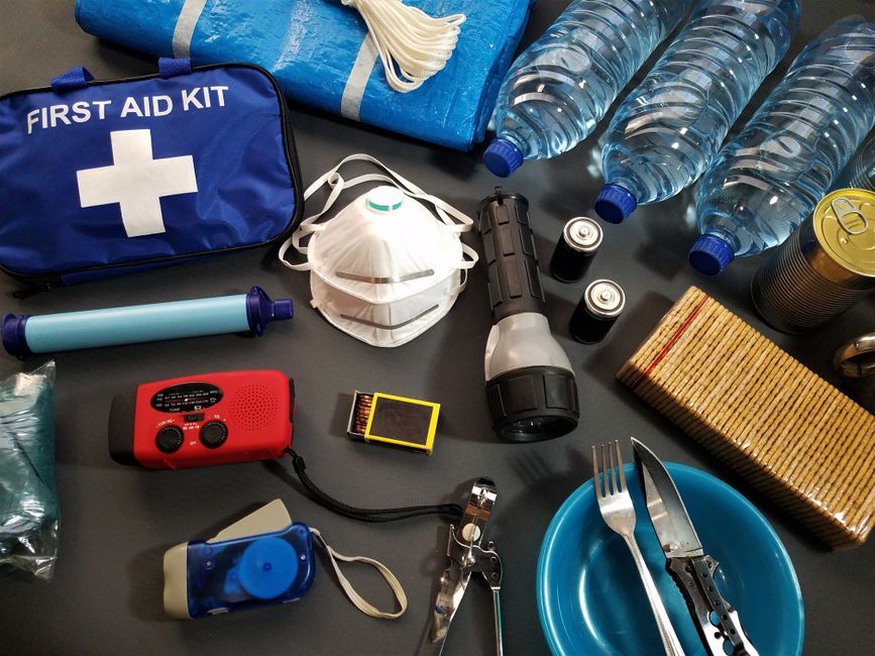
Store at least one gallon (about 3.8 liters) of water per person per day for drinking and basic sanitation. For two adults, that’s at least six gallons for three days, before accounting for pets, hot weather, illness, or strenuous activity. Use a higher amount if local guidance calls for it. Commercially sealed water is easy to store; keep it away from heat and chemicals, and check container condition and dates when you review the kit.
Choose shelf-stable food your household knows and will eat without refrigeration. Canned beans, fish, fruit, or vegetables; nut butter; crackers; dried fruit; and ready-to-eat meals are all possibilities. Think about calories and variety rather than filling a box with snacks nobody normally eats. Pull-tab cans are handy, but pack a manual can opener if anything requires one. Food should still be safe and tolerable cold if you cannot heat it.
Set aside the usual amounts of food and water for infants and pets. Preparing formula may require safe water and clean feeding equipment; follow the product instructions and local public-health advice during a water emergency. Label food reserved for anyone with allergies or a medically prescribed diet.
Plan for light, information, and contact
Put a flashlight or headlamp in the kit for each person who may need to move independently after dark, along with spare batteries if the lights use them. A battery-powered or hand-crank radio can carry local instructions when mobile networks are congested or unavailable. Test it before you store it, so you know how it works.
Pack a charged power bank and the right cables for household phones. Check its charge periodically and recharge it after use. On a printed contact sheet, list household members, an out-of-area contact, medical contacts, and relevant addresses. Paper is useful when a phone is flat, lost, or locked. Agree on a meeting place and a way to leave a short message if calls will not connect, while treating emergency alerts and official instructions as the priority.
Keep a whistle within reach, not buried at the bottom of the bin. It can attract attention without requiring you to keep shouting. Skip candles for emergency lighting: an open flame adds fire risk when people are moving through dark rooms.
Include first aid, medicines, and hygiene supplies
First aid for minor injuries
A basic first-aid pouch should have adhesive bandages in several sizes, sterile gauze, medical tape, disposable gloves, antiseptic wipes, and a bandage for wrapping. Tweezers and small scissors may help if stored safely. Add first-aid items you know how to use, and replace supplies after opening them. The pouch is for initial care, not a substitute for urgent help with severe bleeding, breathing trouble, or other serious symptoms.
Medication that needs a separate plan
Daily essentials are easy to overlook: prescription medicines, inhalers, mobility equipment, hearing-aid batteries, and other health supplies. Ask a pharmacist or clinician what extra medication you can keep, how to store it, and how to rotate it without interrupting treatment. Some medicines need temperature control and cannot sit in a kit. Keep a current printed list of medications, doses, allergies, and prescribing details in a protected sleeve, and update it when treatment changes.
For sanitation, add hand sanitizer, soap, toilet paper, tissues, menstrual products, disposable bags, and any needed incontinence or baby-care supplies. If your stored water supply allows, set aside a small amount of drinking-safe water for cleaning. When local water is declared unsafe, follow the authority’s specific instructions: a boil-water notice and a warning not to use tap water may call for different responses.
Protect documents and cover small practical needs
Keep copies of essential information in a waterproof pouch: identification details, insurance and medical information, emergency contacts, and pet paperwork. Be selective about what you copy and protect sensitive documents from casual access. Copies may not replace originals when an agency requires them. A small amount of cash in modest denominations can help if payment systems are down; store it securely and make sure household members know where it is.
A few other items can make sheltering or leaving easier:
- Sturdy shoes and work gloves: useful around debris or broken glass.
- Weather-appropriate layers and a compact blanket: particularly where heating failures or cold-weather travel are plausible.
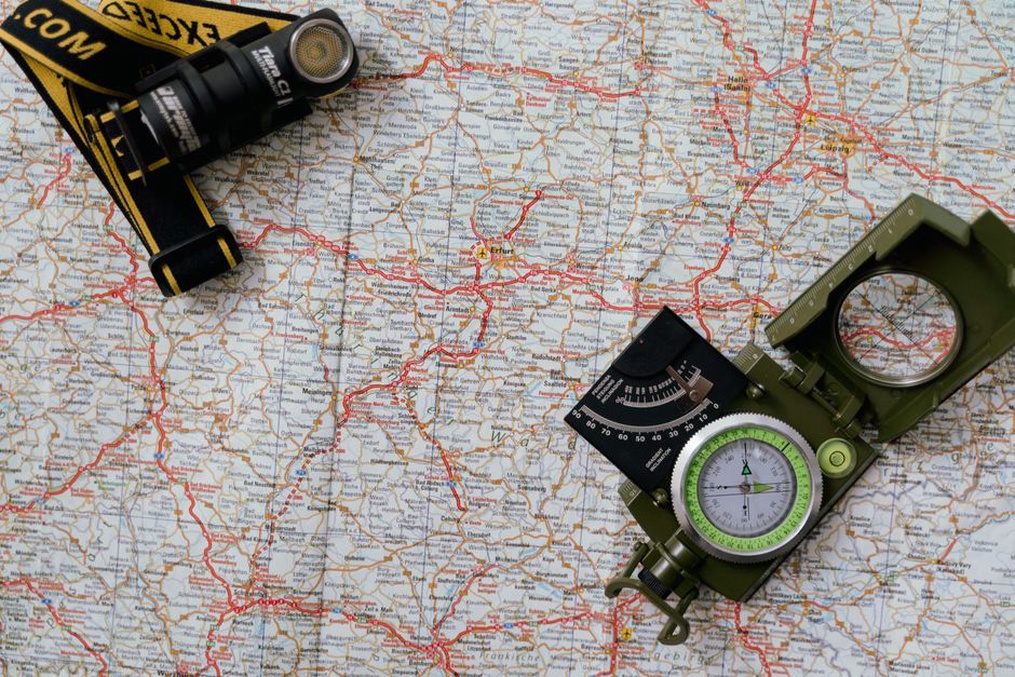
- A local paper map: useful when navigation apps or mobile service are unavailable.
- A notepad and pencil: for addresses, instructions, and messages.
- Spare keys: stored securely, if access to a vehicle or building depends on them.
A multipurpose tool can be useful, but not at the expense of water, medicines, or a working light. Check local rules before putting sharp tools in a bag that might go through a restricted area.
Match the kit to your household and likely disruptions
A standard checklist cannot account for every home. Add glasses or contact-lens supplies, infant feeding items, pet carriers and leashes, or equipment needed by someone with a disability. If an essential device needs electricity, make a power-outage plan with the relevant healthcare provider; do not assume a household power bank can run it. Write down instructions for anyone who may help a household member evacuate.
Location matters too. Cold conditions may mean extra warm clothing; heat can increase water needs. In flood-prone areas, consider how quickly you could carry supplies and how you would protect documents from water. If local authorities advise sheltering indoors for a particular hazard, learn those instructions beforehand rather than assuming a mask, tape, or plastic sheeting offers universal protection.
Keep the home supply and grab bag separate. Large water containers and a fuller food supply can stay in an accessible spot at home. In the portable bag, prioritize medicines that can travel safely, contact information, a light, a small water supply, and things that cannot easily be replaced. Keep exits clear, and do not store either kit where reaching it would mean passing through a hazardous area.
Pack it so it stays ready
Choose a container that closes securely and that the intended person can lift. Group contents in labeled, resealable bags so you can find a flashlight or medication list without unpacking everything. Mark the last check date on the outside, but keep personal and medical details out of view. Walk everyone who shares the kit through its contents, including how to use the radio, lights, and can opener.
Review the kit at least twice a year and after any use. Replace expired or damaged food, inspect water containers, test the lights and radio, recharge power banks, and update clothing sizes, phone numbers, and medication lists. When appropriate, use stored food in everyday meals before its date passes and replace it. Follow device and battery makers’ storage instructions, and check for corrosion or leakage at each review.
To put a first kit together, write down the number of people and pets, calculate three days of water, and place that water beside a working flashlight. Add the other essentials in labeled groups. Before putting the container away, mark the next review date on it and make sure everyone knows its storage spot.