
A guest staying two nights will probably live out of a suitcase. A clear bench at the foot of the bed can do more for them than six empty drawers. The same goes for a lamp they can switch off from under the covers or a towel they know is theirs. For a short stay, those details matter more than decoration: guests can get on with ordinary things without having to ask.
Set up the bed for a good night’s sleep
Start with clean sheets, a clean mattress protector, and a mattress that supports you evenly. If guests will sleep on a foldout bed, open it all the way and lie down. Sitting on the edge won’t tell you much about a slope or a frame bar you can feel through the mattress. A topper can soften a firm bed, but it won’t fix a deep sag or steady a loose frame.
Use bedding that suits the season and leave a clean spare blanket in plain sight. Separate layers let guests adjust their bedding without waking anyone to ask for another blanket. If you have pillows of different heights or firmness, offer a choice instead of piling on decorative cushions that will end up on the floor. Unless you know what scents your guest likes, skip the room spray and plug-in air fresheners.
After a late gig or a long festival day, guests may sleep well past the household’s usual wake-up time. Check the window coverings in daylight: even a narrow gap beside a blind can send a strip of sun across the pillow. If the room stays bright late into a summer evening, a curtain that blocks the light is more useful than asking guests to sleep at different hours. After dark, close the door and listen for sounds you usually tune out, like a rattling fan or the TV on the other side of the wall.
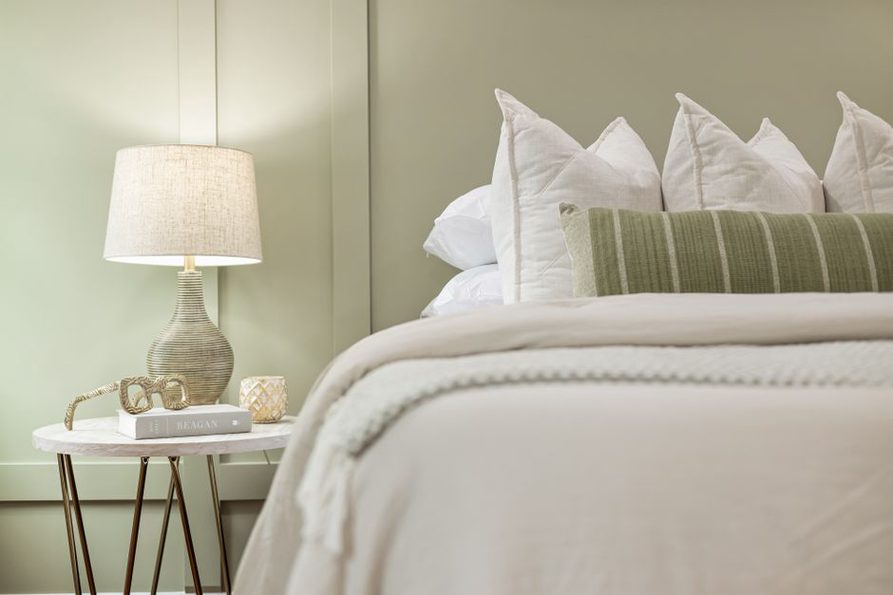
Put everyday essentials where guests will look
Make room for an open suitcase
A folding luggage rack, a sturdy bench, or a cleared low shelf gives guests somewhere to open a suitcase and leave it open. Try it with a case in place. Can you still reach the bed and window and close the door? In a small room that serves more than one purpose, take out a piece of furniture rather than squeeze a rack into the only clear passage. A few spare hangers or hooks are enough for a coat and the next day’s clothes.
If guests are coming back from a wet outdoor show, show them where to leave muddy shoes and damp jackets before they head to the bedroom. A tray and hook by the entrance will keep the carpet dry and spare the room’s only chair from a dripping jacket. In the bedroom, clear a small spot for glasses, keys, a watch, or earplugs.
Check lighting and charging from the bed
The ceiling light is useful when you’re looking through a suitcase, less so once you’re under the covers. Put a lamp on a steady surface beside the bed, with the switch within reach. If two people are sharing the room, separate lamps let one read or get up without lighting the whole room. Walk to the bathroom after dark, too. A low hall light can make a step or doorway easier to see.
Free up an outlet near the bed or wherever a phone can sit while it charges. Test it with the lights off: some outlets are controlled by a wall switch. If the only socket is behind furniture, use a suitable power strip to bring it within reach. Keep the cord out of the walkway and don’t tuck it under a rug. If guests are coming from abroad, tell them what type of socket you have before they leave home so they can bring the right adapter.
Give guests privacy and some control over the room
A closed door should mean people knock. If the guest room doubles as an office, music archive, or storage space, take out whatever you’ll need during the stay. You don’t want to be fetching a box of records at breakfast while your guest is still getting dressed. Clear the space behind the door, too, so it opens wide enough to carry a bag through.
Show guests what they can adjust to make the room warmer, cooler, or less stuffy. If the thermostat controls the whole house, explain that and point out what they can change in the room, such as a fan setting or a blind that keeps the afternoon sun off the bed. A fan that’s loud on its lowest setting isn’t much use at night; neither is an open window facing a busy road. Try the options with the door shut. The spare room may feel different from the rest of the house overnight.
If the house has stairs, narrow doorways, or a bathroom on another floor, ask about access needs before settling on a room. Describe the actual layout rather than guessing what someone can manage. A guest who needs a step-free route or space beside the bed should know what’s available before they arrive. If a guest has an allergy and pets usually go into the room, tell them. Fresh linens alone may not be enough.
Make the bathroom and morning routine easy
Set out a clean bath towel for each guest and show them where to hang it to dry. In a shared bathroom, different colors or separate hooks make towels easy to tell apart. Clear a spot for a toiletry bag, check the soap and toilet paper, and put a lined bin where guests can see it. That’s more useful than a row of miniature bottles, especially if guests have brought products they already know suit them.
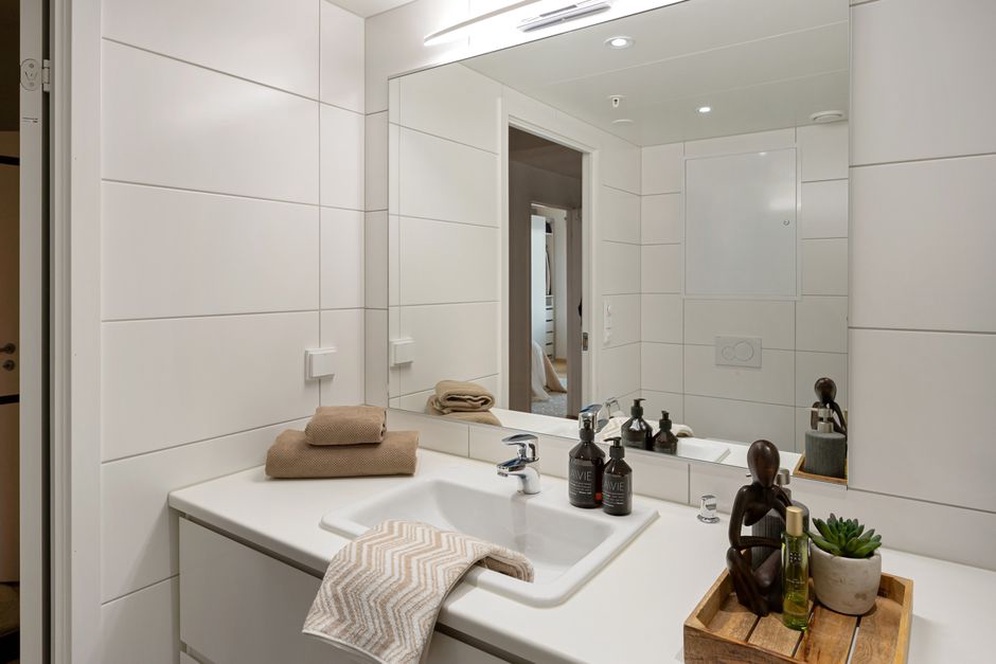
Show guests where to get drinking water and what they can use in the kitchen if you’re not around. If someone has an early train or needs to leave for the next stop on a tour, point out the kettle and mugs the night before. The same goes for a shower with an unfamiliar control or a bathroom door you have to lift slightly to latch. A quick demonstration beats figuring it out at midnight.
Give late arrivals the information they need first
Before guests set off, send a short message with what they’ll need on the way in: which entrance to use, for instance, or when the last bus leaves if they’re relying on it. Save the household details for a quick walkthrough or a note left in plain sight. Keep the note to things guests might need to look up:
- Keys and doors: Which key opens which door, whether the door locks behind them, and where to leave the key when they go.
- Wi-Fi: The network name and password, with similar-looking characters clearly written.
- Shared spaces: Which bathroom to use, where to get drinking water, and whether a door needs to stay shut to keep pets in a particular area.
- Timing: Anything about the household’s routine that affects the stay, such as how to lock up if they leave before anyone else is awake.
Check that guests can open the exit from inside and that bags or furniture don’t block the way. If the entrance is hard to spot in the dark, test the outside light before they arrive. For someone coming straight from a gig, clear directions and a working light over the right door will do more good than a full house tour after midnight.
Try the room as a guest would use it
Do a trial run in the evening. Carry in a bag, close the door, set down the bag, plug in a phone, and switch off the ceiling light. Sit on the bed and see if you can reach the lamp and a glass of water. Then walk to the bathroom and back without using your phone as a torch. You’ll catch things you’d miss from the doorway in daylight: a switch hidden behind the headboard, a chair in the door’s path, or a charger light shining straight at the pillow.
Repeat the test with the sofa bed open or the second bed in place. A room that works for one person can lose its only clear aisle once the extra bed is set up. If the suitcase ends up in the walkway, move the rack against the wall near the foot of the bed or clear a low shelf. Leave the case open and walk to the door once more. If you have to step over it, it still needs a different spot.