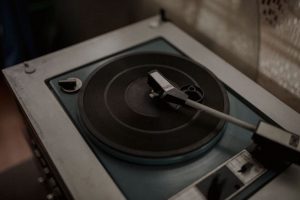
“Live in Finland” tells you almost nothing about a concert photograph. Add the band, the venue and a verified date, and the same frame becomes a useful record of the scene. If you know the venue but not the date, say so. A flyer filed next to the photo doesn’t necessarily belong to the same show. A caption can be incomplete and still be useful; the trouble starts when it sounds more certain than the evidence allows.
Give the image one job
Start with the paragraph beside the image. If it discusses a self-released demo, identify the cassette edition rather than retelling the band’s formation story. If it compares local club bills with European festival appearances, identify the kind of event shown. The same photo may need one caption in a discography and another in a venue history, because readers come to each page with different questions.
Try one sentence that names the subject and adds something readers can’t reliably tell by looking: the date of a set, the country where a tour stopped, or what distinguishes an original pressing from a reissue. A second sentence earns its place if it explains an uncertain date or draws attention to a detail in the frame.
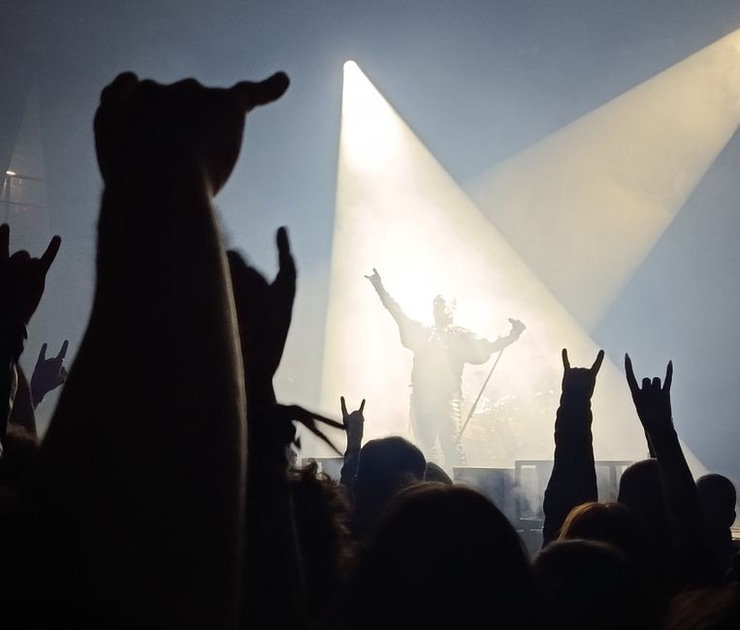
A stock photo can show how small a club stage is, but it can’t document a Finnish thrash gig. If you use one alongside a historical account, label it as illustrative where readers can see it. Even a correctly spelled, verified venue name can mislead if it appears beneath a photo taken somewhere else.
Separate what you see from what you know
A flyer shows what the promoter advertised. A ticket stub records what was printed on the ticket. A photograph may show that a band played without establishing the date, the full lineup or the running order. The distinction between verified information and unsupported assumptions in Reuters’ journalistic standards applies here, too. In an archive caption, it often comes down to the verb.
- “Advertises” describes the bill as printed. Use it when you have a flyer but no independent confirmation of who appeared.
- “Performed” describes what happened. Use it when the evidence places the act at the event, not merely on the bill.
- “Dated” can describe a marking on the object. “Dated October on the reverse” doesn’t claim the photo was taken or printed that month.
- “Identified by” tells readers who supplied the information. If a photographer names a venue years later and you have no record to corroborate it, attribute the identification rather than treating it as settled.
Check dates against the specific image or object, not just the article’s timeline. The day a flyer was scanned isn’t the day it was printed. A file timestamp may record an export, and a copyright year on a sleeve doesn’t tell you when that edition went on sale. You can know the dates of a multi-day festival without knowing which day the photographed set took place. Give the festival dates if they’re useful, but don’t present them as the date of the set.
Put uncertainty next to the detail it qualifies
“Club performance; venue unconfirmed” tells readers more than “Details uncertain.” Name the city if you know it. If you can confirm only the band, stop there. Use an approximate year only when you can explain the estimate: a documented lineup, for instance, might narrow the period. Clothing, lighting or a musician’s apparent age may suggest where to look next, but they aren’t enough to put a year in print.
Match the caption to the material
Live photographs and tour stops
Start with the act and the confirmed event. Add the city if the venue name won’t orient readers abroad, and name the country when the tour crosses borders. In a group shot, list people left to right if you can identify them all. If you’re sure of only one musician, locate that person with a phrase like “at the microphone.” Don’t fill in the rest using the recording lineup: it may not match who was onstage that night.
A live photo can show a cramped stage, where the drum kit stood or which acts used the same backdrop if the photos show them doing so. It can’t tell readers how the guitar sounded. If you mention the sound, say whether the detail comes from a recording or an account written at the time. Lettering and stage dress can illustrate classic thrash aesthetics without proving which bands influenced the musicians.
Flyers, tickets and festival programmes
Lead with the event or the detail the document establishes. A tour flyer can show the advertised route; a festival programme can tell you which stage an act was scheduled to play. Keep the printed day separate from the confirmed performance date. If you’re documenting a change to the bill, call one flyer an early version and the other a revision only if you can establish which came first. If you can’t, describe what differs: one version names a support act that the other leaves out.
Cassettes, CDs and record sleeves
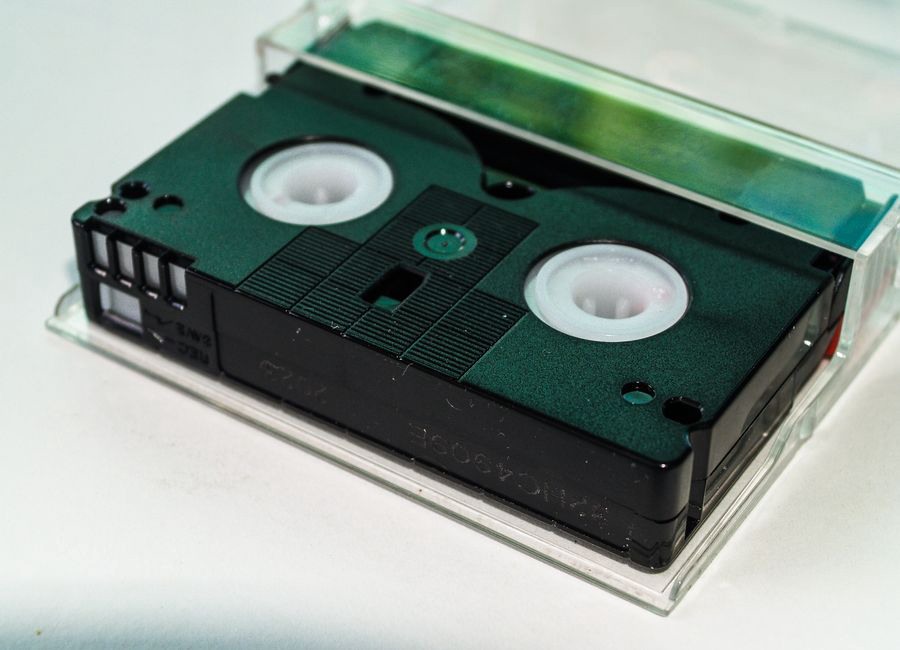
Name the release and say what’s pictured: the front cover, cassette shell, foldout insert or disc face. If you’re comparing editions, point readers to the feature that matters, such as a catalogue number on the spine or a different track sequence on the back. When two formats share the same artwork, the cover alone won’t tell you which one you’re looking at. “Cover artwork shared by both editions” is more useful than naming a pressing the scan can’t identify.
Keep captions, alt text and credits distinct
The caption gives all readers context. Alt text describes the visual information someone who can’t see the image needs at that point in the article. The credit names the creator or another rights holder, depending on the material and its terms of use. Some details may belong in more than one field, but there’s rarely a reason to paste the same sentence into all three.
In a comparison of cassette editions, the alt text might read “Catalogue number printed along the cassette insert’s spine,” while the caption explains how that marking distinguishes the copies. If readers need the exact number, give it as readable text rather than asking them to make it out in the scan. Do the same for a programme’s set times or a flyer’s full band list if they matter to the article. Put the transcription beside a short caption instead of squeezing every printed detail into it.
Keep credits close to their images, especially in galleries that draw on several photographers or collections. “From the bassist’s collection” tells readers where the photo came from, not who took it. If you know both, credit them separately. Nor does a credit give you permission to publish. Check the terms before using a private photograph or scan, and leave any required credit wording intact when editing for length.
Edit the caption in the published layout
Preview the post as readers will see it. A good caption can land beneath the wrong frame, point to something the crop cuts out or get separated from the image on a phone. In WordPress, check that the visible caption belongs to the intended image block or gallery item. Check the alt text on the inserted image separately: changing one field doesn’t necessarily update the other, and an image reused on another page may serve a different purpose there.
- Read the caption on its own. If “at this show” or “the later version” makes sense only after reading the preceding paragraph, name the show or version.
- Check the full frame and the mobile crop. Make sure “second from left” still identifies the right person and that readers can see the detail you’ve named at the size it appears on the page.
- Compare neighbouring captions. Use a consistent, unambiguous date style for readers in different countries. In a gallery, give identifying details in the same order so readers can scan the captions easily.
- Verify proper nouns one last time. Check how the band styles its name, preserve Finnish diacritics and use the venue name current at the time. If the spelling on an artefact differs from the one in the article, make clear when you’re quoting the artefact.
Work through an amended festival bill
Suppose a programme lists a band on the second stage, but a dated photograph reliably places it on the main stage. It’s easy to write “Second-stage set at the festival” by carrying the programme listing over to the photo. Instead, caption each item on its own evidence. Under the scan, write “The printed programme lists the band on the second stage.” Under the photo, name the band and identify the confirmed main-stage appearance. Explain the discrepancy in the article without guessing when the change was made or who made it.
Before cropping the programme scan, check the heading that identifies the stage. If showing only the band’s entry is the only way to make it legible on a phone, say what readers can’t see: “Detail from the programme’s second-stage schedule; the stage heading is outside the crop.”