
Finland's thrash metal scene is renowned for its raw energy and unique sound, captivating fans worldwide. The intense process of developing this sound in the studio highlights the dedication and creativity of Finnish thrash bands. During the late 2000s and mid-2010s, a period of significant growth, these bands refined their skills, leaving a legacy that continues to resonate.
The Studio Environment: A Crucible of Creativity
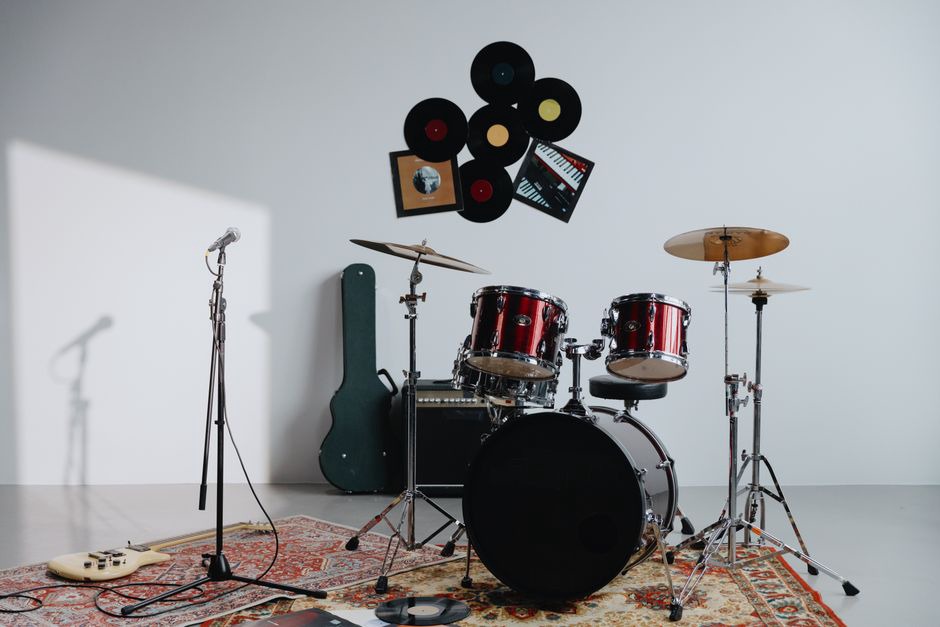
For Finnish thrash bands, the studio is more than just a recording space; it's where ideas are transformed into the powerful soundscapes that define the genre. Bands often select studios that align with their artistic vision, equipped with the technology needed to capture their distinctive sound. The choice of studio can greatly impact the final product, with some bands opting for local studios that offer a more intimate setting, while others seek out renowned facilities for their advanced equipment and experienced engineers.
Sound Engineering: Merging Tradition with Innovation
Sound engineering is crucial in bridging the gap between a band's raw performance and the polished final product. Finnish thrash metal features aggressive riffs, rapid drumming, and powerful vocals, all requiring a precise balance in the mix. Engineers collaborate closely with bands to ensure each element of the music is distinct yet cohesive, creating a sound that honors tradition while embracing innovation. By blending analog and digital technologies, Finnish engineers achieve a sound that is both nostalgic and fresh.
Band Dynamics: Collaboration and Experimentation
The dynamics within a band are vital in the studio. Members work closely together, often experimenting with different techniques and instruments to achieve the desired sound. This experimentation is where much of the magic happens; bands might try various guitar tunings, drum setups, or vocal effects to find what best suits their artistic vision. Such experimentation allows bands to push the boundaries of their sound while remaining true to the core elements of thrash metal.
For a deeper dive into the history and evolution of Finnish thrash metal, consider exploring Exploring Finland's Thrash Metal Legacy.
Recording Techniques: Capturing the Essence of Thrash
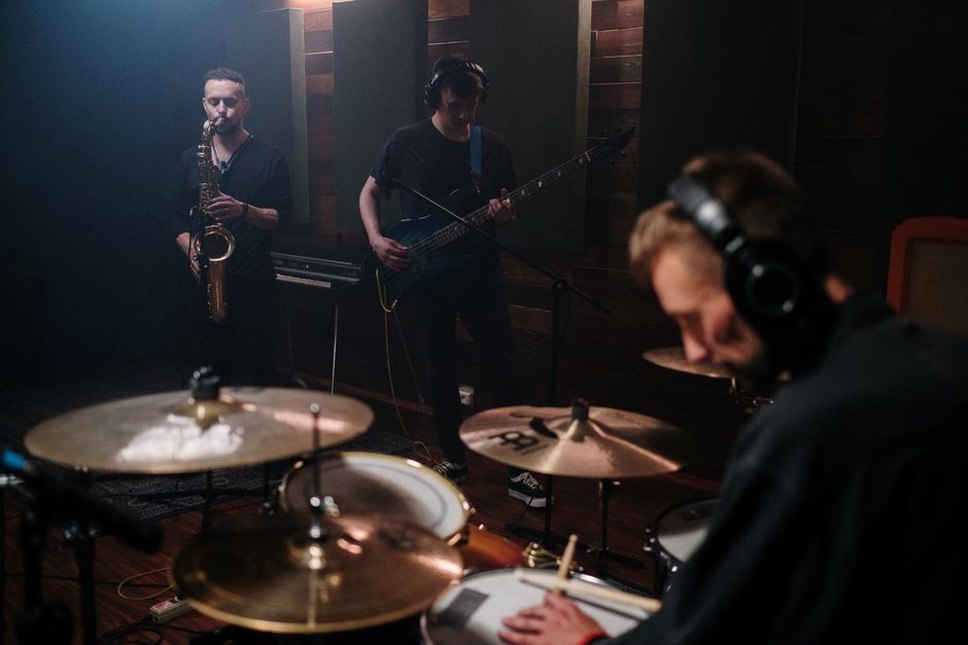
The recording techniques employed by Finnish thrash bands are essential in capturing the raw energy and intensity that define the genre. Many bands prefer to record live, capturing the spontaneous energy of their performances. This method often results in a more dynamic and authentic sound, as it captures the nuances of a live performance that might be lost in a more segmented recording process.
- Live Recording: Captures the band playing together, preserving the energy and chemistry of their performance.
- Overdubbing: Allows for layering of tracks, adding complexity to their sound without losing its raw edge.
- Analog Techniques: Provides warmth and depth, often preferred for its authentic sound quality.
- Digital Editing: Offers precision and flexibility, allowing bands to fine-tune their recordings with modern technology.
Mixing and Mastering: The Final Touches
Once recording is complete, the focus shifts to mixing and mastering, crucial steps in refining the sound. Mixing involves balancing the individual elements of a track, ensuring clarity and cohesiveness. Mastering, the final step, enhances the recording for different playback systems. Finnish thrash bands often work with experienced professionals who understand the genre's nuances, ensuring that the final product remains true to the band's vision.
For more insights into the Finnish thrash metal scene, including its influence across Europe, see Finnish Thrash Metal's European Journey: A Cultural Exchange.
Legacy of Finnish Thrash Sound
The detailed process of creating the thrash sound in the studio has left a lasting impact on the Finnish metal scene. The commitment to both tradition and innovation has made Finnish thrash metal a vital and influential force in the global metal community. By continuously pushing the boundaries of their sound, Finnish bands have not only preserved the essence of thrash metal but have also contributed to its evolution, inspiring a new generation of musicians and fans alike.