
Prestige, National Napalm Syndicate, and Stone established Finland’s first important thrash vocabulary in the 1980s. The later underground took strength from listeners and musicians who treated those records as a living reference rather than a museum piece. By the late 2000s, a smaller revivalist network was again making fast, riff-led music through self-financed releases, while artwork, tape editions, and club bills carried as much identity as the songs themselves.
“Underground icon” needs to be used with care in this context. It does not suggest that a band was secretly huge, nor does it flatten real differences in output or profile. Here, it refers to acts whose records, gigs, and persistence became familiar points of reference within a close-knit culture of musicians sharing bills, collectors seeking physical editions, and audiences who valued a convincing thrash performance over wider visibility.
A revival built on records, rehearsal rooms, and local bills
Finnish metal already had strong international associations with death metal, gothic metal, folk-inflected styles, and melodic forms. Thrash revival bands worked within a crowded field, but most did not soften the genre’s edges to compete. Instead, they leaned into palm-muted rhythm guitar, abrupt tempo shifts, shouted or barked vocals, disciplined drumming, and structures built around riffs that returned with purpose.
The formula left room for distinct personalities. Some groups favored the rough, speed-driven attack of early Bay Area and German thrash; others brought in heavier mid-tempo sections, crossover bluntness, or more technical guitar work. Finnish conditions also left their mark. Clear, cold-edged guitar tones, close rehearsal-room discipline, and a dislike of unnecessary ornament could make retro-minded material sound rooted in its own surroundings rather than merely copied.
Names that anchor the later underground
Force of Danger offers a useful example of a Finnish band that turned classic thrash values into a lasting independent identity. Formed in Helsinki in 2007, the group released demos before its debut full-length, Frozen in Steel, in 2012. The music favors recognizable riff writing and high-energy delivery over novelty, while the logos, martial imagery, and physical releases speak directly to traditional metal and thrash collectors.
The band’s significance is not limited to a single album. Force of Danger reflects a route open to committed late-2000s groups: build a repertoire, document it in small-format releases, earn recognition through shows, and turn local credibility into an album that could circulate beyond Finland. Individual timelines varied, but the underlying pattern was familiar.
Lost Society, formed in Jyväskylä in 2010, reached a considerably wider audience than most of its peers. The band showed that Finnish thrash could enter larger festival and touring circuits without giving up speed or aggression. Its early releases, especially Fast Loud Death (2013), delivered a youthful, high-velocity attack grounded in classic thrash and crossover. The group later expanded its sound, making its early period particularly useful for tracing the revival’s momentum rather than treating it as a fixed style.
Ranger belongs on the same wider revival map, even if the band is more closely associated with speed metal than orthodox thrash. Its early recordings and live reputation matter because scene boundaries were porous. The same listeners, promoters, labels, and collectors often supported speed metal, traditional heavy metal, blackened speed, and thrash. Ranger’s stripped-back intensity and commitment to analog-era aesthetics reinforced a shared attachment to physical artifacts and energetic performance.
Older bands remained essential reference points. Stone’s late-1980s work was a Finnish benchmark for fluent riffing and technical confidence. Prestige and National Napalm Syndicate had already shown that thrash had taken root in Finland well before the later revival. They should not be folded uncritically into a late-2000s narrative, but their records gave younger musicians a domestic lineage to cite alongside Metallica, Slayer, Kreator, Exodus, and Sodom.
What made the sound recognizably Finnish?
There is no single Finnish thrash sound, and national generalizations can flatten a scene shaped by different towns and musical histories. Still, several traits recur across the period.
- Rhythm-first songwriting: riffs do more than decorate verses; they establish a track’s character and momentum.
- Precision without sterility: tight ensemble playing matters, yet recordings often retain enough abrasion to avoid an overly polished feel.
- Compact aggression: songs often move quickly from introduction to main riff, chorus, solo, and closing section instead of relying on extended atmospherics.
- Physical-release aesthetics: cassette demos, CD runs, vinyl, patches, logos, and hand-drawn or vintage-inspired cover art form part of the musical statement.
- English-language reach: English lyrics were common, allowing records to circulate through European tape-trading, mail-order, and later online underground networks.
Lyrically, the approach was usually direct. Violence, conflict, social decay, horror, alcohol, survival, fantasy, and metal itself appeared often, usually through genre imagery rather than confessional detail. The strongest material used those subjects to support rhythm and atmosphere, matching words to a chorus a crowded room could answer back. The relationship between language and riff structure is explored in the blog’s study of the unique voice of Finnish thrash metal lyrics.
Independent releases were part of the music
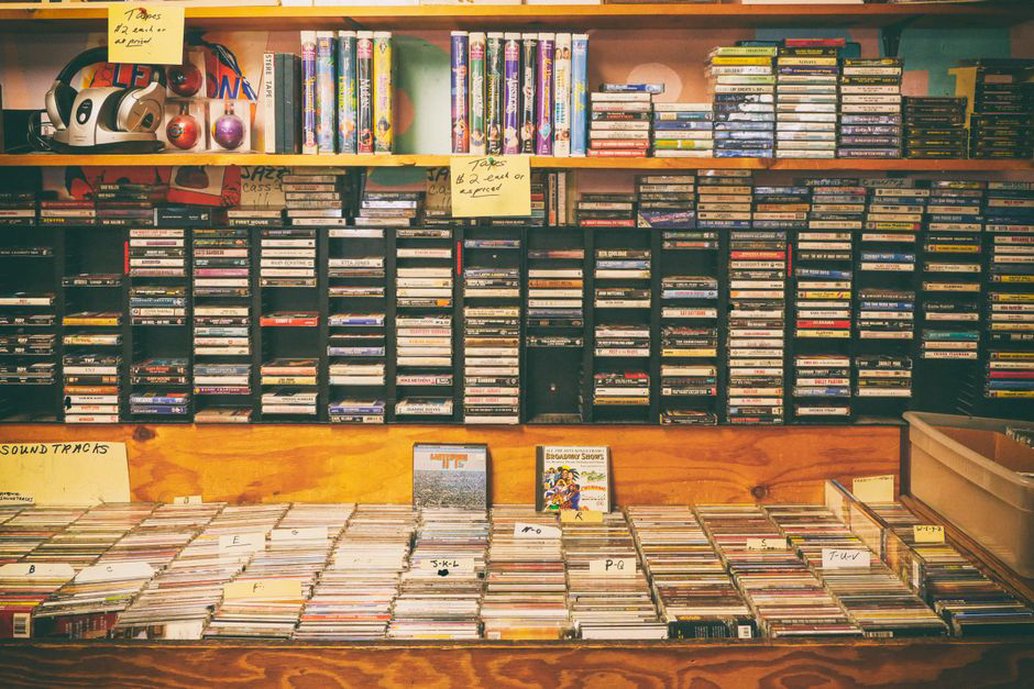
For a band outside the mainstream, a demo was more than an unfinished album. It showed that the group existed, had a stable lineup, and could commit its songs to a format listeners could trade, review, or buy at a show. Short-run cassettes remained meaningful well into the digital period, while CDs offered an affordable path to a more formal release. Vinyl carried particular symbolic weight for collectors and for bands seeking continuity with 1980s metal culture.
Recording quality depended on budget and studio access, but rawness alone did not create credibility. A strong underground release needed intelligible riffs, a rhythm section capable of handling fast transitions, and vocals clear enough for hooks to land. Cover design, track sequencing, and accurate credits mattered too: they turned a rehearsal-room document into an object listeners could keep and archive.
| Format | Typical scene function | What listeners could assess |
|---|---|---|
| Demo cassette | Early identity and local circulation | Songwriting direction, raw energy, commitment |
| EP or split | Focused statement and scene connection | Consistency, compatibility with peer bands |
| Full-length album | Durable artistic calling card | Depth of repertoire, pacing, production choices |
| Live recording | Document of performance strength | Tempo control, audience response, stage cohesion |
Collectors researching this material should distinguish official editions from unofficial uploads or poorly documented copies. Band pages, label catalogs, credited discographies, physical packaging, and reputable record shops offer firmer evidence than anonymous file listings. The material history behind these recordings is central to this account of Finnish thrash albums moving from demos to full-length identity.
Live culture: where reputation was tested
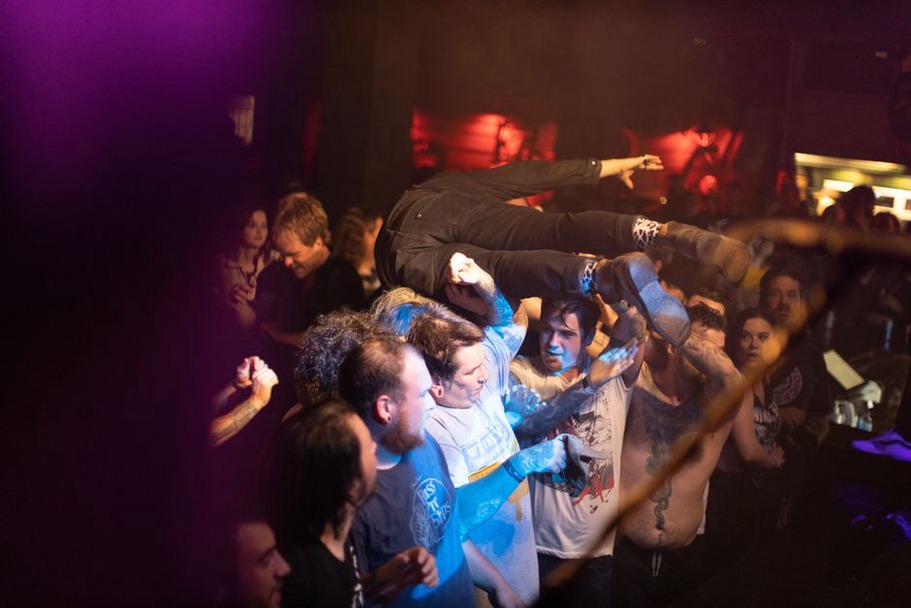
Thrash depends heavily on the live setting because its force rests on collective timing. A studio track can promise speed, but a club set shows whether a band can sustain it. Intros must lead cleanly into songs; drummer and rhythm guitarist must lock together; solos cannot stall the momentum; and the set needs peaks and releases rather than collapsing into a blur of identical tempos.
Small Finnish venues, youth centers, bars, rehearsal-space events, and multi-band local bills provided the practical setting for that test. Audiences were rarely divided into rigid subgenres. A thrash band might share a bill with traditional heavy metal, speed metal, hardcore, death metal, or black metal acts, facing listeners who judged performance more quickly than promotional claims.
European contact without mythology
European travel was an ambition and, for some groups, an achievable next step. It should not be romanticized as an automatic breakthrough. Cross-border dates required dependable transport, contacts with local promoters, enough merchandise to offset costs, and a set strong enough to work before unfamiliar audiences. Festivals offered useful meeting points, but one appearance did not guarantee a lasting presence abroad.
Travel placed Finnish bands within a continental revival, where audiences could compare them directly with acts from Sweden, Germany, the Netherlands, Britain, and elsewhere. That comparison often favored Finnish strengths: focused musicianship and a serious commitment to the form. It also pushed bands to define what was their own—not a generic recreation of 1986, but a current performance practice rooted in that era.
How to hear the scene with context
A productive listening path begins with the contrast between generations. Start with Stone to hear why Finnish thrash history cannot be reduced to a 21st-century revival. Move next to Force of Danger for a clear example of traditionalist underground continuity, then to Lost Society’s early work for the point at which fast Finnish thrash reached a broader international metal audience. Add Ranger to hear why speed metal’s parallel resurgence belongs on the same map.
When assessing a lesser-known demo or EP, focus on three details: whether its main riff holds up after repeated plays, whether the drummer supports transitions rather than simply racing through them, and whether the production lets the arrangement come through. Those questions help explain why a small Finnish release could matter locally even without major sales or extensive press coverage.