
Finnish thrash metal’s late-2000s revival was seldom held together by formal organizations. Its real working units were smaller: bands sharing rehearsal rooms, promoters assembling trusted local bills, tape traders, DIY labels, and friends willing to lend a van or design a flyer. “Collective” describes this loose infrastructure better than it suggests a movement with a manifesto. It accounts for both the scene’s quick energy and its fragility when bands changed line-ups, moved away, or simply ran out of time and money.
By the end of the 2000s, Finland already had a substantial metal audience, an established thrash history, and venues used to hosting heavy music. The return of thrash was not simply an effort to replay the 1980s. Younger musicians treated sharp riffing, rapid down-picked rhythms, barked vocals, gang shouts, and direct song structures as material for active local bands. The result was a cluster of overlapping projects whose members, audiences, and support networks often met at the same shows.
What “collective” meant in practice
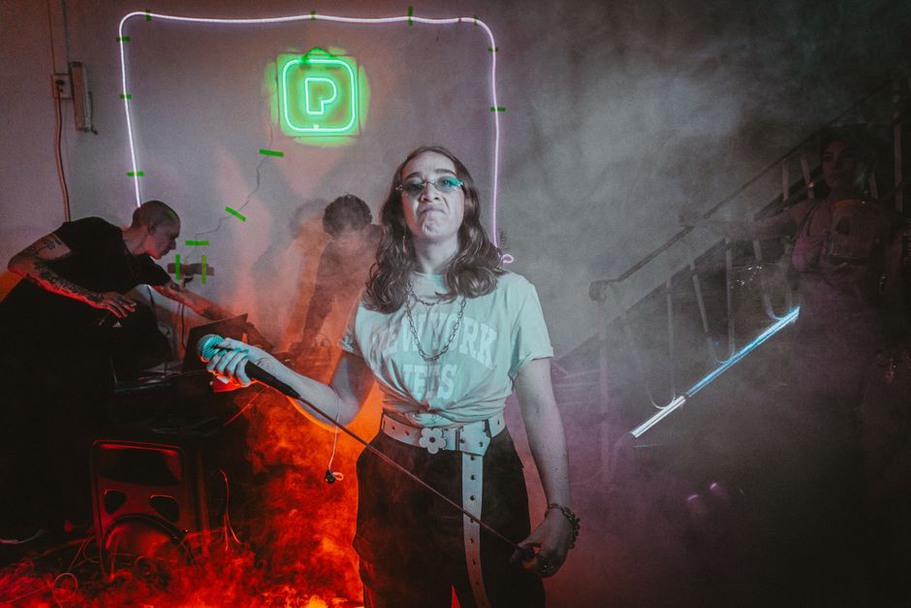
A Finnish thrash collective was usually an informal social and logistical arrangement, not a named organization. Bands from the same town or circle of friends might attend each other’s gigs, trade contacts, and share small-festival or club bills. Promoters, zine writers, rehearsal-space organizers, and independent labels could matter as much as the musicians themselves.
This mattered because underground thrash depended on repeated cooperation. A band with a new demo needed somewhere to play it. A local event needed acts that could bring a few friends and fit into a night of fast, tightly timed sets. Visiting groups needed local support. Under those conditions, practical trust often mattered more than industry connections.
The components of a working scene network
- Bands: the visible core, making recordings and filling live bills.
- Shared spaces: rehearsal rooms, youth centers, clubs, and small venues where relationships developed over time.
- DIY media: flyers, small web forums, social-network pages, fanzines, and later video platforms used to announce releases and gigs.
- Micro-labels and distributors: small operations handling limited CDs, cassettes, vinyl, or mail orders without major-label backing.
- Audience regulars: fans who bought physical releases, travelled between cities, photographed shows, or introduced visiting acts to local organizers.
Those roles often overlapped. A drummer might run a label; a fan could become a promoter; a guitarist might design sleeve art or help book a tour date. That overlap gave the revival a self-sufficient character, though it also made a handful of overextended people potential bottlenecks.
Why the late-2000s revival took hold
Thrash benefited from a broader international appetite for traditional heavy-metal forms. Across Europe and North America, bands and listeners were revisiting speed metal, crossover, blackened thrash, and the raw production associated with tape-era underground releases. Finland was receptive because metal listening was already embedded in local youth culture, while the country’s earlier thrash bands offered historical reference points without imposing a single formula.
The musicians involved could hear the difference between tribute and continuation. The strongest groups did not need to deny their obvious ancestors; they needed memorable songs, disciplined playing, and an identity apparent in the details. Finnish bands often paired ensemble precision with rougher vocals, dense low end, or a colder melodic contour. That combination kept the music from feeling like generic retro-thrash, even when its visual vocabulary—denim, patches, hand-drawn logos, skulls, warfare, and dystopian imagery—was intentionally familiar.
Digital tools lowered the cost of being heard. Bands could record demos economically, circulate artwork online, and reach overseas listeners without waiting for an import shop to stock a release. That access did not diminish the value of physical formats. Instead, it made limited tapes, CDs, vinyl, and other editions more visible to the collectors most likely to support a young band. The relationship between online discovery and tangible releases is explored in The Digital Revolution in Finnish Thrash Metal.
From local bills to broader circuits
The growth of these networks showed up most clearly on posters and mixed bills. Thrash bands did not always play to exclusively thrash audiences. Depending on the city and promoter, they shared stages with death metal, black metal, hardcore, traditional heavy metal, and punk-adjacent acts. That flexibility kept the scene tied to Finland’s wider heavy-music community rather than sealing it inside a purist niche.
Festivals provided another level of visibility. Major Finnish metal festivals were not built around thrash alone, but a place on a festival lineup could put a young band in front of listeners who knew the style and might seek out a record afterward. Smaller genre-focused events and club festivals were equally important. They created concentrated weekends where musicians, organizers, and travelling fans could meet, trade records, and arrange future dates.
European touring remained an ambition, but it was a difficult threshold to cross. A short run abroad required transport, fuel, accommodation, dependable local promoters, and time away from work or study. For a small Finnish band, one cancelled show or poor turnout could seriously damage an already narrow budget. Groups that reached listeners outside Finland usually got there gradually: through a well-received release, label contacts, support slots, festival appearances, and repeat visits rather than a sudden breakthrough.
Why touring could strengthen and strain a collective
| Touring benefit | Practical pressure |
|---|---|
| New listeners and record buyers | Travel costs could exceed guarantees |
| Contacts with foreign bands and promoters | Booking required sustained unpaid work |
| Experience as a tighter live unit | Members needed compatible jobs and schedules |
| Greater visibility for a local scene | Equipment failures and vehicle logistics were constant risks |
Foreign touring did not automatically make an underground band sustainable. It could widen a group’s network while making the limits of its resources impossible to ignore. That tension shaped the scene’s uneven rise and fragmentation more than any simple shift in musical fashion.
The sound: reverence without uniformity
Finnish revival thrash covered more ground than the label sometimes suggests. Some bands favored the clean, agile riff construction associated with Bay Area thrash. Others leaned toward harsher Germanic speed, rough crossover momentum, or dark melodic touches shaped by Finland’s broader metal culture. The shared element was momentum: riffs had to carry a song forward, drums had to clarify the attack rather than merely speed it up, and transitions had to justify themselves.
Production choices revealed a band’s priorities. A polished recording could make rapid arrangements easier to follow and bring out instrumental skill, while a dirtier mix could retain the rehearsal-room immediacy many listeners associated with underground thrash. Neither approach guaranteed a strong record. The releases that lasted had distinct riffs, rhythmic contrast, and the feel of a group playing together rather than interchangeable speed for its own sake.
Lyrics and imagery varied too. Social decay, warfare, horror, intoxication, violence, science fiction, and metal itself remained common genre subjects. Local identity appeared less through explicit national themes than through tone: blunt delivery, a cool atmosphere beneath the speed, or a refusal to soften the music for crossover appeal. Visual cues served a similar purpose, signaling shared reference points to record-store browsers and gig audiences.
Why the network began to fragment
Calling this a “fall” should not suggest a single collapse or the end of Finnish thrash. By the mid-2010s, the scene had become more fragmented and less evenly visible. Some acts continued, some broke up, some changed their sound, and some members turned their attention to other projects. A scene sustained by voluntary labor will shift as people’s circumstances change.
Several pressures often arrived at once:
- Financial limits: modest sales and door receipts rarely covered the full cost of recording, travel, rehearsal, and manufacturing.
- Line-up turnover: thrash relies on close rhythmic coordination, so replacing a key player could stall writing and live activity for long periods.
- Audience competition: Finland’s metal community was rich but crowded, with many subgenres competing for weekends, coverage, and attention.
- Platform changes: online visibility became easier to pursue but harder to maintain as feeds, algorithms, and listener habits changed.
- Burnout: the same people often handled rehearsal, promotion, booking, design, merchandise, and transport.
There was a structural difference between enthusiasm and permanence. A scene could produce memorable releases and intense shows without generating enough regular income to keep every participant active for a decade. Friendship and shared labor helped the strongest local networks endure, but they could not remove those limits.
What remains for listeners and collectors
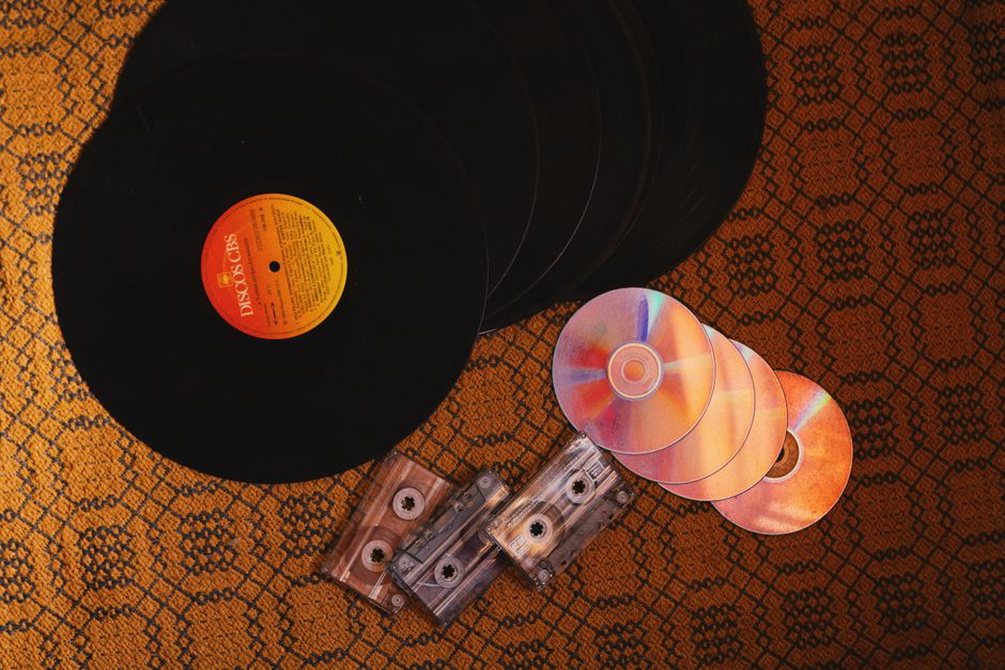
The period is best approached through records, flyers, set lists, live clips, interviews, and the memories of people who built small events. Collectors can help preserve that history by documenting editions carefully: catalogue number, release year, label, format, and, where relevant, matrix details and the distinction between an original issue and a later re-press. A low-resolution image or an unverified sales listing is not enough evidence for a discography.
That care is especially important for demos and limited runs. Underground releases were sometimes produced in very small quantities, but scarcity alone does not prove importance or authenticity. Keep provenance separate from speculation. If a copy was bought at a show, record the event and date only when they are known. If it came from a private collection, note that source without inventing a chain of ownership. Inserts, stickers, order forms, and correspondence can be valuable evidence of how a release circulated.
Listeners often learn more by following connections than by chasing a single “essential” list. Compare a demo with a band’s later full-length, watch for recurring names in production credits, and note which groups shared bills or labels. Social platforms became part of that connective tissue, as discussed in The Digital Connection: Thrash Metal and Social Media, though physical ephemera often preserves details that disappeared from feeds.
A useful archival record for one Finnish thrash release can fit on a single card: artist, title, format, label, catalogue number, release year, pressing description, source of purchase, and any verifiable contemporary flyer or review. Repeated across a collection, that method turns isolated objects into evidence of how these informal collectives worked.