A Finnish thrash band could start with a rehearsal-room recording, a hand-painted backdrop, and a support slot at a small club, then gradually find listeners far beyond its home town. Between the late 2000s and mid-2010s, there was no single route forward. Progress usually came through persistent rehearsal, affordable recording methods, personal contacts, thoughtfully planned physical releases, and the ability to reproduce a demo’s speed and precision onstage.
The wider appetite for old-school thrash shaped the period, yet Finnish groups were not simply following an imported revival formula. They drew on Finland’s earlier metal history, punk and hardcore energy, and the practical difficulty of travelling between distant towns. Moving from the rehearsal space to regular shows meant a series of connected steps: securing a workable line-up, finishing songs, finding suitable bills, documenting performances, and turning local trust into opportunities elsewhere.
The rehearsal room as a working foundation
“Garage” is often used loosely, though the earliest stage was usually more disciplined than the term implies. Finnish musicians rehearsed in garages, basements, youth-centre rooms, shared industrial spaces, and rented practice facilities. The room mattered because thrash depends on collective timing. Fast down-picked riffs, abrupt stops, double-kick passages, and unison accents quickly expose a band that has not developed a shared rhythmic language.
Early material served several purposes at once. A riff might be tested for its physical impact in rehearsal, reshaped so a vocalist could phrase over it, then shortened to give a live set more momentum. Players learned which transitions held together at full speed and which worked only in a careful home recording. That editing process often separated bands with a durable repertoire from those with a promising but unfinished set of ideas.
What bands had to solve before playing out
- A stable line-up: Thrash places particular demands on drummers and rhythm guitarists. Replacing a member could mean relearning arrangements rather than simply filling an empty position.
- A recognizable song set: Three strong songs could support a demo, while a club appearance generally needed enough material for a concise, coherent set.
- Practical equipment: Reliable amplifiers, drums, cables, tuners, spare strings, and transport mattered as much as an aggressive guitar tone.
- Shared visual presentation: A simple logo, readable shirt design, or DIY banner gave a new act an identity before it had much of a discography.
- Recording evidence: Promoters, labels, and prospective show partners needed something they could hear, whether a rehearsal recording, demo, or independently released EP.
The most useful early recordings were not always polished. What mattered was whether they made a band’s strengths audible: tight riffing, a distinct vocal attack, convincing drumming, or songs that listeners could picture working in a live room. A rough demo with clear intent could help secure a local booking more than a heavily edited track that concealed uncertain playing.

From demos to independent releases
Independent releases gave Finnish thrash bands a physical focal point for their activity. A cassette, CD-R, compact disc, or small vinyl run was more than a product. It could serve as a calling card for promoters, merchandise at shows, a reason for local press or radio attention, and a document of a particular line-up. Physical formats remained especially important in metal communities, where artwork, credits, lyrics, and pressing details formed part of the listening culture.
The path from rehearsal demo to release varied. Some bands saved money from work and gigs to pay for studio time. Others recorded in project studios, at home, or with technically minded friends, then spent selectively on mixing and mastering. The issue was not simply budget; it was retaining the songs’ momentum. Overcompressed drums, blurred rhythm guitars, or vocals buried too far back could flatten material built on attack and articulation.
For collectors and historians, release formats can help trace a band’s development. A limited demo may preserve a raw early identity, while a later EP often reflects a more settled approach to songwriting. Catalogue information still needs careful handling. Underground discographies may include reissues, self-financed variants, and informal claims about dates. Sleeve credits, matrix details, label catalogues, and contemporary reviews provide stronger evidence than memory alone.
Visual choices also linked sound and presentation. Hand-drawn mascots, battlefield scenes, dystopian imagery, skulls, and bold logos were familiar genre conventions, though individual Finnish acts used them with varying degrees of seriousness, humour, or austerity. The relationship between cover design and music is examined in Visual Identity in Finnish Thrash Metal Releases, 2008–2015.
Local bills: the first real test
A recording could attract interest, but a live set determined whether a band became part of a functioning scene. Local shows placed emerging thrash groups alongside death metal, black metal, hardcore, punk, traditional heavy metal, and crossover acts. Mixed bills were common because a strictly genre-specific audience could not be assumed in every city. That variety could work in a thrash band’s favour: a direct, fast set could win over listeners who had come for another style, provided the performance remained focused.
Small venues also taught habits that mattered later. Sets could be shorter than expected, soundchecks limited, and backline shared. An opening act needed to start on time, keep breaks between songs under control, and treat venue staff and fellow musicians with respect. Such reliability often influenced future invitations as much as musical ability.
How a local reputation became transferable
Promoters and other bands generally learned about a new act through repeated, visible conduct rather than one promotional push. A group that arrived prepared, brought a few supporters, accepted an early slot, and played convincingly gave people a reason to book it again. A common pattern looked like this:
- Build a short, dependable set and document it with a demo or live clip.
- Take support slots and local multi-band bills, even when audiences are modest.
- Use shows to exchange contacts with bands from nearby towns.
- Arrange reciprocal dates, sharing transport, backline knowledge, and local promotion.
- Release new material after the songs have been tested in front of audiences.
- Approach regional promoters or festivals with a clearer performance record.
This was never a guaranteed ladder. Some groups remained local by choice, paused because of work or study, or dissolved after personnel changes. Still, it explains why album count alone is a poor measure of a band’s history. A modest catalogue may represent years of rehearsal, regional travel, and live connections that mattered greatly within a local metal network.
Festivals and the change in scale
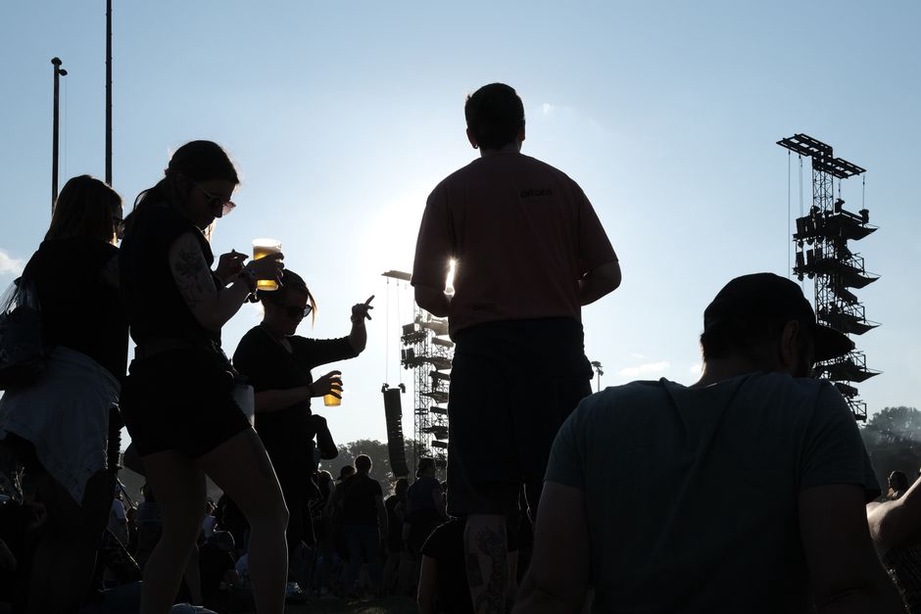
Festival appearances offered a different kind of exposure. Finnish metal festivals, along with smaller outdoor and club-based events, brought together listeners who might not attend a dedicated thrash night. For an underground act, the practical value was clear: playing for unfamiliar people, meeting organizers, selling records in a concentrated setting, and watching how established bands handled larger stages.
The change in scale could be demanding. A bigger stage exposed weak communication between musicians, while outdoor sound and limited monitoring could make intricate passages hard to hear. Bands had to adapt without losing what made them effective in a small room. Clear intros, decisive endings, visible cues, and a well-paced set often translated better than theatrical additions made for their own sake.
Festivals also underscored the difference between audience size and scene standing. A daytime slot did not automatically produce a national breakthrough, though it could confirm that a band was ready for broader bills. Equally, a group with devoted local followers might gain little from a festival appearance if it lacked a current release, dependable transport, or the capacity to handle merchandise and travel. Progress was usually cumulative.
European travel: opportunity and exposure
European dates took bands beyond the familiar Finnish circuit. Thrash’s international musical vocabulary made cross-border bills possible: listeners in different countries could quickly recognize palm-muted riffing, shouted refrains, and denim-and-patch aesthetics. Shared reference points did not remove the strain of touring, however.
For a developing Finnish band, European travel required realistic planning around fuel, ferries or flights, vehicle space, accommodation, equipment, applicable border requirements, and the possibility of low guarantees. Some tours grew out of personal ties with other underground bands rather than formal agency representation. Those networks could hold together well, but only through clear communication and mutual trust.
| Stage of activity | Main objective | Common pressure point |
|---|---|---|
| Local shows | Prove the live set works | Short sets and limited soundchecks |
| Regional dates | Build reciprocal contacts | Travel cost versus small attendance |
| Festival slots | Reach unfamiliar listeners | Stage monitoring and tight schedules |
| European club dates | Extend the network beyond Finland | Transport, budgeting, and coordination |
The bands that gained most from travel usually understood their limits. A short run of well-supported dates, planned around a release and coordinated with compatible acts, could be more useful than an overextended itinerary. Touring also sharpened musicianship. Playing night after night exposes weak endurance, inconsistent tempos, and arrangements that need trimming; it can turn a competent group into a more instinctive live unit.
Sound, authenticity, and the limits of revival
Classic thrash reference points were audible throughout the period, but authenticity did not come from copying a particular 1980s production style or wardrobe. Finnish groups combined Bay Area speed, German precision, crossover bluntness, traditional-metal melody, and local extreme-metal intensity in different proportions. The strongest identities emerged when those influences became concrete songwriting choices: where a riff stopped, how a chorus opened up, how dry the guitar tone remained, or how much melody could survive at high speed.
Live performance was central to that identity. Thrash relies on the exchange between stage and floor: movement, shouted lines, quick acknowledgement of the crowd, and the feeling that the band is driving a shared burst of energy rather than offering a distant technical display. That did not require identical stage behaviour. Some acts projected discipline and severity; others relied on humour, loose banter, or deliberately raw presentation.
Radio play, specialist zines, online communities, and physical mail-order culture all helped releases travel beyond their original towns. Personal recommendations often carried particular weight. A musician seeing another group at a local show, a promoter receiving a well-made demo, or a listener buying a CD after a support set could create connections more durable than a brief spike in online attention.
To trace these histories carefully, start with a band’s earliest credited recording and compare it with the first release made after sustained live activity. Check personnel, song titles, recording credits, format, and distribution notes against flyers, reviews, and dated performance listings. That approach reveals the gradual work behind a move from rehearsal room to stage, rather than repeating a later biography that compresses several years into a single “breakthrough.”