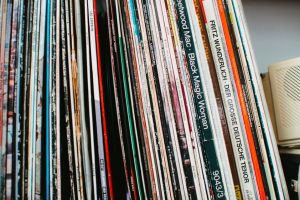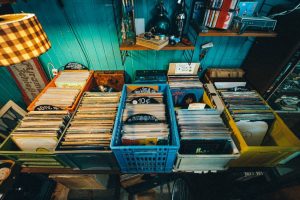
A fanzine review could carry a Finnish thrash demo beyond the band’s hometown, even without a label campaign or dependable distribution. It might name the musicians, describe the sound and tell readers how to contact them. For a group playing small gigs and putting out its own recordings, a few inches of print could serve as publicity, criticism and a record that the demo existed.
Fanzines were independent publications made by fans, often people closely involved in the music they covered. Some were photocopied sheets; others looked more like magazines. In Finnish thrash, both kinds connected musicians, listeners, gig organisers and collectors who might never meet on a local concert circuit. As websites, forums and social media became routine from the late 2000s into the mid-2010s, the format changed. The work of finding bands, listening critically and passing information along did not.
What a fanzine could do for a small thrash band
Independent thrash rarely followed a tidy release schedule. A band might record a rehearsal, make a demo, play with another group in a nearby city and only later find wider distribution. A fanzine editor could pick up the story anywhere along the way. Coverage did not require a finished album or a press campaign; a promising tape, a local show or correspondence with the musicians might be enough.
The immediate benefit was being found. Someone who bought an issue for an interview with a familiar band could come across an unknown Finnish name in the reviews. Details such as the format, songs, hometown, sound and contact information made that discovery useful. A review could not promise sales or bookings, but it could give an interested reader a way to find the recording.
Reviews also offered a qualified endorsement. An enthusiastic response carried weight partly because the editor had chosen to spend space on that release. Even a critical review could help if it described the music rather than simply dismissing it. Over time, readers learned which writers liked fast crossover rhythms, which favoured technical riffing and which had a taste for rough demos. Knowing those preferences made their judgments easier to weigh.
- Reviews placed demos and albums alongside other underground releases, giving readers points of comparison.
- Interviews let musicians discuss influences, recording choices and plans in their own words.
- Gig reports recorded how bands sounded and shared audiences on a particular bill.
- Advertisements and contact listings helped readers find recordings, distributors, venues and other publications.
- Letters and exchanges kept people in touch even when they never attended the same show.
Fanzines did not invent any of these functions. Their strength was bringing them together in an issue put together by someone involved in the underground. A review beside a scene report or a letter from another country placed a Finnish release in a wider conversation without the help of a formal promoter.
From correspondence to a printed issue
Making a small fanzine took more work than the finished pages reveal. An editor had to get hold of music, listen closely, arrange interviews, gather images and lay out the issue. Then came copying or printing, addressing envelopes, taking copies to shows and trading issues with other editors. All of this had to fit around gigs, record collecting and the rest of everyday life.
Those limits shaped what appeared in print. No editor could review every band, and hearing a demo often depended on someone mailing it, passing it along or bringing it to a show. An issue was a network on paper, not an inventory of every Finnish thrash group. A missing band may simply have been outside the editor’s reach.
Trading copies helped editors reach beyond their own localities. One issue sent to another publication might bring back reviews, interviews or new contacts. Coverage of a Finnish band could travel when an issue was traded, resold or discussed abroad. Postage cost money, print runs were limited and language determined who could read what; correspondence still made the scene less dependent on any one city.
Why format and language mattered
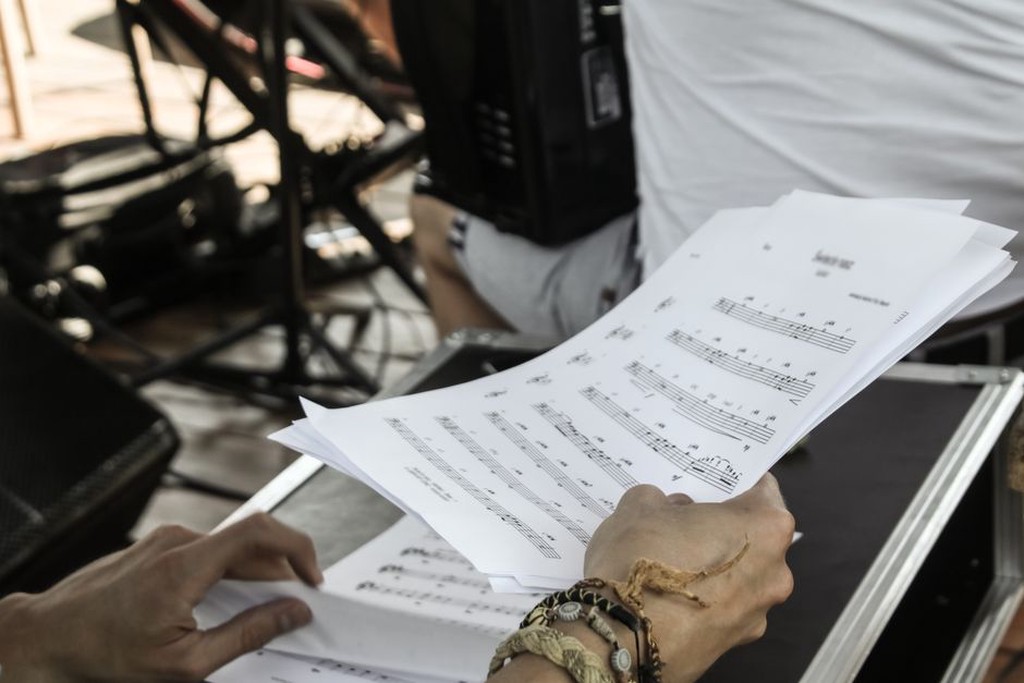
A photocopied issue was read differently from a frequently updated site. Its interviews and reviews formed a dated selection that someone could return to, lend out or carry to a record shop or gig. Space was finite, too. When each page cost money to reproduce, editors had to decide which interviews needed room and which releases could be covered in a short review.
Language set other boundaries. Finnish-language writing could address local readers directly and retain the phrasing of local debate. English could make a band easier for collectors and editors abroad to follow. Neither choice made an issue representative of the whole scene. Read only English coverage and you may miss local arguments; read only Finnish publications and you may miss how recordings were introduced to listeners elsewhere.
What the pages tell us about the music
Thrash is often described with familiar markers: fast palm-muted riffs, forceful drumming, shouted vocals and debts to earlier metal and hardcore punk. The better reviews went further. A writer might compare a tightly arranged song with a loose rehearsal recording, notice whether the bass could be heard or explain how a vocalist changed the feel of familiar riffs. Such observations capture a listener’s response before a later reputation takes hold.
They can also help identify an elusive release. Independent recordings sometimes appeared with different artwork, track orders or packaging. A contemporary review might name a song or format that distinguishes one edition from another. Reviewers made mistakes, though, and working titles could change. The printed description is something to check against the recording, not proof that every credit or date is right.
Interviews offer another kind of evidence. A musician might explain a deliberately rough sound, discuss the balance between older thrash influences and newer production, or say whether a recording was meant as a demo rather than an album. That tells us what the band intended at the time. It need not define its style forever: views shift, line-ups change and later releases may aim elsewhere.
For a closer look at interviews, reviews and advertisements as historical evidence, What Fanzines Reveal About Finnish Thrash Metal considers what surviving issues can—and cannot—tell us. The distinction matters when a zine calls a band “promising,” “established” or “unknown.” Those words place the group within one writer’s field of view, not the entire scene.
Linking recordings, concerts and contacts
Fanzines did more than report on recordings. A published address or other contact detail could let a listener request a legitimate copy of a demo, help an editor arrange an interview or give an organiser a way to ask about a show. For a band without professional representation, that information might be as useful as praise.
Gig reports tied recorded music to live performance. A writer might notice that demo songs worked differently onstage or that two bands drew some of the same audience. They could also record short sets, equipment problems or thin attendance—details unlikely to survive in promotional accounts. Still, a report describes one person’s experience of one night. It cannot establish that a band was always weak live, or that one exciting set marked a lasting breakthrough.
Location shaped coverage. Finnish thrash bands did not all play to the same audience or find stages by the same route. A group’s visibility in a zine might reflect the editor’s hometown, the venues they visited and the people who traded recordings with them. Appearances in publications from different areas make a stronger case for wider circulation than repeated mentions by one local editor.
Advertisements need similar care. A paid or traded advert shows an attempt to circulate an issue, a release or a contact address; it says nothing definite about sales. Yet a small advert may preserve details missing from later discographies, such as the format offered at the time, a mailing address or the name under which a recording was promoted.
Fanzines during the revival years
By the late 2000s, a Finnish thrash band could announce a gig online and share music without waiting for a printed issue. News reached listeners faster, and gig details could be corrected after posting. Print was no longer the quickest way to find an active group.
Editorial attention still had a place. A print or digital fanzine could publish a long interview or a review informed by repeated listening. Rather than just announcing a release, it could make a case about the music. That was useful for revival-era bands drawing on classic thrash: an interviewer could ask what a group had changed, while a reviewer could distinguish a deliberate period sound from weak songwriting without reducing the question to authenticity.
Print and digital habits overlapped. Editors might arrange interviews electronically and publish online while readers still picked up paper copies at shows. Work once concentrated in printed issues spread across websites, message boards and social platforms. The label “fanzine culture” can blur the differences: an issue has a relatively fixed set of contents, while a web page may change or vanish. What these outlets shared was independent coverage rooted in the scene, not a single format.

For anyone tracing the late 2000s to mid-2010s, that overlap offers several views of the same event. A band’s announcement shows what it wanted to promote; an independent review records one response to the result; a gig report describes one performance. If the accounts disagree, the disagreement belongs in the history.
Reading a fanzine as evidence, not a complete map
What survives is uneven. A collector may have kept a long run of one publication while another editor’s work has nearly disappeared. Online archives can lack pages, offer scans too small to read or separate interviews from their original issue dates. Small print runs and informal circulation mean that absence from an archive tells us little about a band’s local support.
Editorial voice matters as well. Underground writing can be funny, candid, partisan or harsh. That makes it revealing as a record of taste, but less dependable as a plain chronology. “Everywhere” may mean a band appeared often in one writer’s network. A claim that an older sound had returned may express excitement, not identify the start of a revival.
When working with a scan or a physical copy, a few checks help keep the record straight:
- Identify the issue. Record its title, issue number if present and any stated date. An upload date is not a publication date.
- Separate kinds of writing. A review, advert, interview and gig report each make different claims.
- Check names against the release. Compare song titles, line-up credits and formats with the recording or packaging when available.
- Consider the writer’s position. Local familiarity, trading arrangements and personal taste can shape coverage.
- Leave uncertainty visible. If a date or venue appears only once, attribute it rather than treating it as confirmed.
These checks leave room for the value and the limits of the underground’s own record. Fanzines did not capture every Finnish thrash rehearsal, release or concert. They did capture choices about what deserved attention, often while the music was still new. Their selectivity is part of what they tell us.
Try reading a demo review alongside the advertisements and contact listings in the same issue. If the review names the recording but offers no way to find it, an advert elsewhere may supply the missing route. Record the issue number and page for each item: together, they show both what an editor heard and how a reader might have found the music.