An old post calls a cassette a band’s “first release.” Then an earlier, dated demo turns up. Changing “first” to “second” may still get the story wrong: what is on the cassette, was the demo publicly distributed, and which source establishes each date? The revision should answer those questions without erasing the evidence the original post was built on.
In an archive of Finnish thrash from the late 2000s through the mid-2010s, old writing can remain useful for years. A gig report may preserve a small venue’s billing; a review may show how an independent release was understood at the time. Dead references, uncertain chronology and claims made on thin evidence can also mislead later readers. Refreshing a post means checking its history, not giving it a newer date.
Choose posts where an update will change the reader’s understanding
Start with consequential gaps. Newly available artwork or a physical copy might settle the track list in a release overview. A festival article needs another look if its running order came from an early announcement rather than the final programme. A tour post may be sound even though its photographs have vanished; there, restoring access to the evidence matters more than rewriting the account.
Traffic shows which pages people still read, not which ones matter most historically. A little-visited entry about a self-released demo may hold a detail recorded nowhere else in the archive. Keep a short queue noting each post’s subject, the suspected problem, the evidence needed and what a fix would give readers. Otherwise, easy edits tend to crowd out important ones.
- High priority: unsupported release dates, mistaken lineups, broken citations behind central claims, or an unverified performance presented as fact.
- Medium priority: missing context, blurred distinctions between editions, inaccessible images, or a term the post no longer explains.
- Low priority: phrasing changes that do not affect accuracy, access or comprehension.
A triage note can be brief: “2012 cassette post—check whether the online upload predates the physical edition; inspect insert; retain original review language.” It pins down the question before the rewriting starts. If several posts touch the same subject, a content-gap review of the Finnish thrash archive can help decide whether the missing context belongs on the old page or in a separate entry.
Read the old post as a historical record
Save a copy of the published post and record its publication date before editing. Then go through its claims: which need support for a date, lineup, recording, show or interpretation? This matters most when a post moves between impressions written at the time and claims about what happened later. “The guitars sound sharper than on the demo” is a listening judgment. “The album was recorded after the spring tour” needs documentary evidence.
Keep the writer’s original vantage point visible. If a 2011 review says a new EP was the only material available then, a later reissue does not make that time-bound observation false. Recasting it in the present tense could erase what the reviewer knew in 2011. Add a dated note or a short sentence about the reissue instead. An undated claim that the EP is the band’s only recording, however, should be corrected in the body.
It helps to name the kind of edit you are making:
- Correction: the original statement was wrong or went further than the evidence allows.
- Update: later material changes what a present-day reader needs to know.
- Clarification: the fact was sound, but the wording could point readers to the wrong edition, venue or musician.
That distinction also guides how visible the edit should be. A corrected release year calls for a dated note; a fixed typo usually does not. If a paragraph changes meaning, say briefly what changed and why rather than silently replacing the old account.
Recheck claims against the strongest available evidence
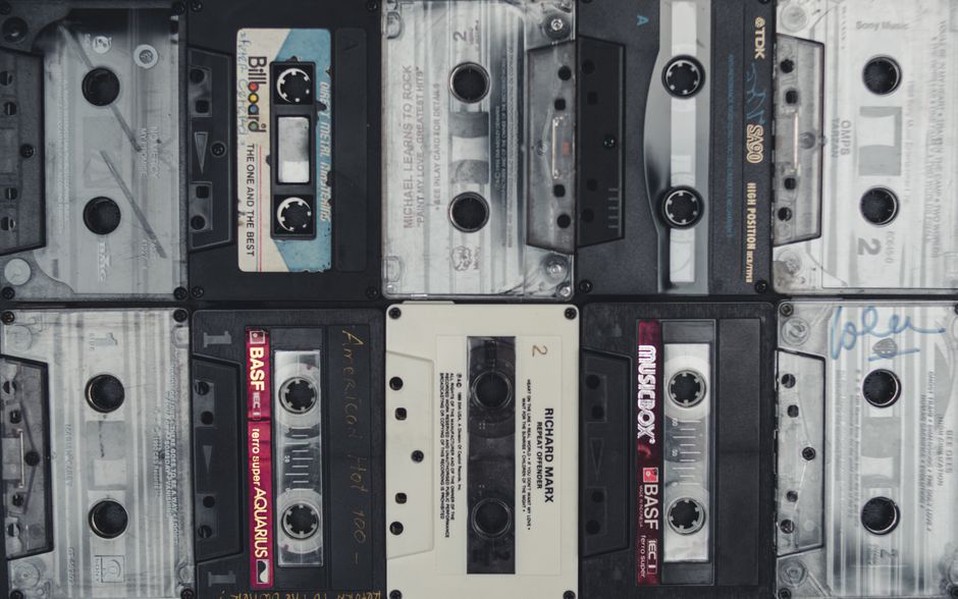
Go back to the material closest to the event when you can: the release and its insert, a dated flyer, a festival programme, a label’s archived announcement or an interview from the time. Read each source for what it actually proves. A cassette insert may give a recording year, not a release year. A flyer shows that a gig was advertised, not that every billed band played.
Second-hand listings and memories can point you toward evidence, but neither should settle a conflict alone. If credible sources disagree, leave room for that in the published wording: “The insert gives 2010 as the recording year; the release date has not been confirmed.” That is more useful than choosing a date to tidy the chronology. An established reference such as Britannica’s overview of heavy metal can help explain genre context, but it cannot verify a local band’s set list or the contents of an independent pressing.
Check names just as carefully. Bands may share members, use shortened names on posters or change their billing between a demo and an album. When describing an artifact, use the spelling it carries; explain a later name change only if you can support it. Do not infer a lineup from a photograph unless the people are reliably identified. An announced tour route, likewise, is not a record of performances that took place.
Keep a claim-and-source note during the refresh
For a post with several dates or editions, a small working table can keep the evidence straight. It need not appear on the published page, but it should stay in the editorial record.
| Claim to check | Evidence in hand | Safe published wording |
|---|---|---|
| Release came out in 2011 | Insert dated 2011; no distribution date | “The insert is dated 2011” |
| Band played the festival | Advance poster only | “The band appeared on the announced bill” |
| New edition has extra tracks | Copies of both editions inspected | Name the edition and list the difference |
Record enough to find each source again: its format, the relevant page or panel, and where the archive keeps its scan or notes. If permission to reproduce an image is unclear, you can still use what it establishes in a careful textual description without publishing the scan.
Add context without turning the post into a different article
Answer the questions the existing post raises. If an early review calls a record “old-school,” say what the reviewer could hear: brisk riff changes, clipped palm-muted rhythm guitar, shouted vocals or a deliberately rough recording. Treat comparisons as interpretations, not proof that one band influenced another. A later interview might shed light on the musicians’ intentions, but it should not be folded into the original reviewer’s voice.
Sometimes the missing context is simply which object the post describes. A demo circulated digitally and a later cassette edition may differ in cover, sequence or mastering. Name the format and edition before comparing them. In a gig report, separate what the writer witnessed from what the poster promised. If the venue has since closed, add a location or identifying detail only when you can verify it; a short concert account need not become a venue history.
Be selective with later information. A post about a 2010 release does not need the band’s full subsequent discography. One sentence may cover an important reissue; several editions and lineup changes are better handled on a discography page or in a focused entry. Internal links can provide background without repeating it. A post briefly comparing Finnish bands’ sound with outside influences, for instance, can point to the archive’s account of Finnish thrash’s early influences beyond borders and stay focused on the recording at hand.
Do not make every old article sound newly written. A review’s uncertainty, excitement or reservations may be part of its value as a period account. Correct errors and clarify dates, but let clearly attributed judgments remain recognizable. Put present-day commentary in a marked update rather than slipping it into a decade-old first-person passage.
Repair the route from claim to evidence
A dead link is a prompt to revisit the claim it supported, not just to find another address. An archived copy may preserve the missing page; check its capture date and make sure the relevant passage is there. If no accessible copy survives, seek an independent document that supports the same narrow claim. A later fan recollection should not quietly take the place of a festival programme.
Check images as evidence as well. Alt text should identify what matters in an image, rather than repeat a decorative caption. A cassette-insert scan might be described as “Track list printed inside the 2011 cassette” if that date is established. An unattributed crowd photograph should not be assigned a band or venue by guesswork. Confirm reproduction rights before restoring an image that has disappeared; if it cannot be republished, a clear textual description may still help readers.
Follow the internal links too. A specific article explaining the nearby claim may serve readers better than a general scene overview. There is no need to link every band name: a link should lead to evidence or genuinely useful context. Check that headings still fit their sections and that readers can follow an edition, abbreviation or date without opening another page.
Publish an update note that matches the size of the change
The publication date and the date of the last substantive update answer different questions. Show both if the publishing system permits it; do not reset an old review’s publication date to make it look new. A note might read, “Updated 14 March 2025: clarified the cassette edition and corrected the festival billing using the printed programme.” It identifies the work done without suggesting that the whole article was researched again.
If a central claim cannot be supported, mark the correction where readers meet it as well as in the update note. If a photograph turns out to show a different performance, remove the false identification and explain the change. A minor clarification may need only a quiet wording fix. Keep fuller details in an editor’s log rather than loading the public page with every spelling correction.
Read the revised post all the way through before publishing. A new note may contradict an old headline, caption or summary. Cross-check the dates, make sure quotations are exact and test the links. On a phone-sized screen, check that a table still shows the distinction between claim and source.
Finally, trace one revised claim back to its evidence. If the post says a programme confirms a festival appearance, open it and check the band’s name, event and date. If it confirms only that the band was billed, write “was listed,” not “performed.”