A verified release entry might include a recording date, format, label credit, track list and sleeve photograph. Those details needn't live only on one long page. Format information could become a collector’s note; the sleeve might warrant a brief visual annotation; a documented connection to another release could become a chronology item. The point isn't to publish the same paragraph three times. Give each version a purpose, and keep its claims tied to the evidence.
That approach suits a small Finnish thrash archive working with limited time, scattered physical material and patchy documentation from the late 2000s through the mid-2010s. A few carefully adapted pieces can make the record easier to use without making its gaps sound like settled history.
Start with a source that can support more than one use
Begin with something already checked: a release entry, documented interview, festival programme, dated concert flyer or photograph with a reliable caption. Before making shorter pieces, write a source sheet. Record the item’s title, date or date range, creator or holder, rights status, supported claims and unresolved questions. For an interview, separate the speaker’s recollection from independently verified information. For a flyer, distinguish a billed appearance from evidence that the performance took place.
This saves the next editor from having to check image permission or a venue spelling all over again. It also gives the team a way to find every related item if a disputed date changes.
- Good starting source: a dated, legible item with clear provenance and enough detail to answer several specific questions.
- Needs more checking: an undated scan, an incomplete credit or an uncorroborated personal memory.
- Not a shortcut: an appealing image or anecdote the archive cannot confidently identify or lacks permission to reproduce.
Turn a release entry into useful smaller formats
Write a format-focused collector’s note
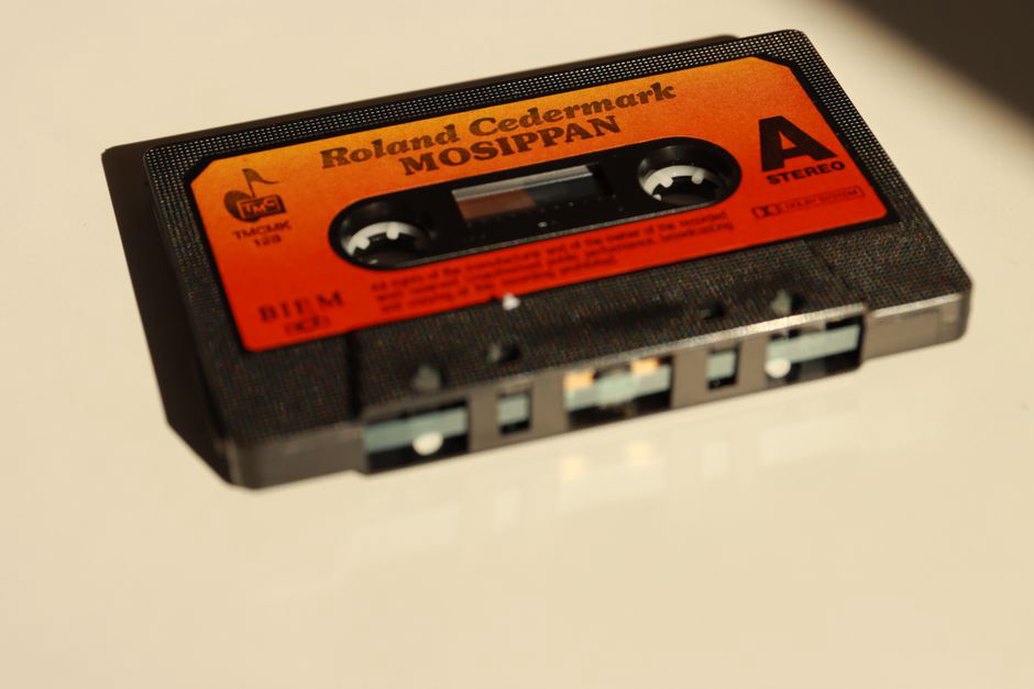
A full entry might cover the music, personnel, recording context and distribution. A collector’s note can stay with what someone can check on a copy: catalogue number, label wording, cassette shell or disc printing, and differences between documented editions. State which copy the archive examined. One object cannot establish what every pressing looks like, and it is no basis for suggesting an undocumented variant.
“The examined cassette has a photocopied insert with lyrics on the reverse” gives collectors a useful identifying detail without ruling out differences in other copies. If a scan helps, crop only enough to show the feature clearly. Retain the original image and note the crop on the source sheet.
Make a listening guide, not a duplicate review
A release entry may also support a short guide to guitar attack, drum feel, production texture or the balance of fast and mid-tempo passages. Tie each observation to a named track, and don't present a judgment about the sound as a documented historical fact. “The opening riff shifts from tightly muted notes into sustained chords” describes something a listener can hear. “The band changed direction after this recording” needs evidence beyond the recording.
Readers should still be able to use the guide when they cannot play the music. Describe the feature rather than embedding unlicensed audio. If the archive has permission to include a brief clip, record that permission and explain in text what the clip illustrates.
Extract a limited chronology
Checked dates from a release entry can appear in a small chronology of recording, announcement and publication, as long as each event has its own support. Leave blank months blank. A year printed on a sleeve may establish the release year, but not the day copies reached listeners. If sources disagree, give a range or state the uncertainty instead of choosing the neatest date.
Give flyers and programmes more than one readable form
A concert flyer can serve several purposes. Its archival entry should preserve the transcription, provenance, physical description and uncertainties. A compact event card might show the printed date, venue, billed acts and source type. A thematic feature could compare verified flyers to examine how local bills brought newer groups alongside established acts. The feature makes an argument; the card does not need to.
A flyer advertises an event. It cannot, by itself, confirm the final lineup, set list or attendance. If a contemporary review or dated attendee account confirms what happened, name that separate source rather than letting promotional copy stand in for a report.
Programmes allow for other small formats. A documented running order can become a readable schedule transcription; a venue map might support a note on how audiences moved through a festival site. Use them when the details are legible and relevant. An unexplained decorative scan offers little.
Use images to answer a visual question
Album sleeves, logos, tickets and merchandise can hold evidence that's awkward to describe in a conventional paragraph. A short annotation might point out a printing choice, recurring symbol or credit placement without treating one design as representative of the whole scene. Compare like with like—an original sleeve and a documented later edition, for instance—not unrelated artwork chosen for matching colours.
Decide what readers should notice and what source identifies it before choosing the image area. Alt text should describe what's visible, not supply an interpretive slogan. Keep credits and reproduction permissions with the file. For a fuller discussion of the subject, the archive’s guide to reading Finnish thrash metal album art is a natural next stop.
Adapt interviews without manufacturing certainty
An interview might yield a quotation card, a focused question-and-answer excerpt, a terminology note or a longer contextual piece. Keep enough context for an extract to mean what the speaker intended: their name, the interview date and the subject of the question. Obtain permission consistent with how the conversation was recorded and agreed to be used. Don't turn a cautious answer into a categorical headline.
Interviews can explain practices that printed objects leave out, such as preparing a small independent run or arranging travel. But a recollection remains a recollection. Label it, check names and dates against available records, and don't build a historical timeline on an unverified anecdote alone. If an interviewee later corrects a memory, connect the editorial note to excerpts already published.
Match each channel to a reader’s task
A new format earns its place when it answers a different need. The archive entry holds durable facts. A newsletter can introduce a newly checked item and say why it matters now. A social caption can draw attention to one verifiable detail and point back to the fuller context. An exhibition label has to make sense beside the object without a click. Pasting the first 100 words of a feature into each channel won't do all four jobs.
| Starting material | Useful adaptation | Check before publishing |
|---|---|---|
| Verified release entry | Collector’s note on an examined edition | Credits, variant claims and image rights |
| Dated concert flyer | Event card with printed billing | Whether the event is confirmed separately |
| Permitted interview | Contextual quotation or terminology note | Consent, accurate quotation and date checks |
| Photographed sleeve | Visual annotation of one design feature | Edition identification, credit and alt text |
There is no need to use every channel. If readers mainly consult release pages and occasional newsletters, improving those may be worth more than maintaining an account that demands constant posts. One well-captioned photograph may tell them more than a carousel of unexplained details.
Build a workflow a small team can repeat
A simple queue cuts down on repeated planning. Add a candidate after its main entry has been checked, then record the reader question, proposed format, editor, source sheet and publication status. The work can follow five steps:
- Identify one reader question. How can this particular cassette edition be identified?
- Select the minimum evidence. Use the examined copy and its documented credits, not loosely related online descriptions.
- Draft for the destination. A collector’s note needs physical identifiers; a newsletter needs a clear reason to visit the full entry.
- Check against the source sheet. Verify spellings, dates, permissions, captions and links to the parent entry.
- Record where it appeared. Note publication dates so corrections can reach every version.
Small templates help with recurring formats, provided they leave room for what the evidence actually says. An event card with fields for printed date, billed acts and source note keeps claims in bounds. A template that demands an audience estimate and backstage story for every show invites invention. Give “unknown” its own field rather than treating it as a failure to finish the card.
Related pieces should lead readers toward the fullest available record, not into a maze of near-identical posts. The archive’s discussion of internal links for a Finnish thrash archive covers that question in more detail. For this workflow, the rule is simple: link each short item to its parent entry, and revise it if a central claim in that entry changes.
Measure usefulness without chasing output volume
A count of adaptations rewards making more pieces, even when they add nothing. Look instead at a few signs of reader use. Are people reaching the full entry from a caption? Do collectors ask fewer basic identification questions after a format note appears? Has an annotation drawn attention to a credit buried in a scan? None of these tests requires every historical item to receive the same treatment.
Time matters too. If a short post requires substantial new research, it may warrant a full entry of its own. If the source has already been checked and permissions are clear, a precise caption may need only the source sheet. Track the effort for a few examples, and stop using formats that repeatedly cost more than they help.
For the next verified release entry, try one bounded adaptation: photograph the catalogue-number area on the archive’s copy, transcribe it in a collector’s note and state exactly which edition was examined. Keep the uncropped photograph and rights record with the source sheet. If that number needs correcting later, the evidence will still be there.