
Before your appointment, jot down the symptom that prompted you to book it, when it began, and what has changed. “Headaches three mornings a week for the past month” gives a doctor more to work with than “I’ve been feeling off.” A few minutes of preparation can help you make good use of a short visit, especially if you have more than one concern.
Decide what needs attention first
Make a short list and put your main concern at the top. Think about what is getting worse, disrupting daily life, or worrying you most. If you have several unrelated issues, tell the office when you book; you may need a longer appointment or a second visit. Routine forms, prescription renewals, and a new symptom each take time.
You can open with, “I have three things to discuss. The new dizziness is my main concern.” That helps the clinician plan the conversation with you. If an intimate or embarrassing symptom is the real reason you came, bring it up early rather than waiting until the visit is nearly over.
Some symptoms should not wait for a routine appointment. Seek urgent medical help for severe chest pain, trouble breathing, sudden weakness or difficulty speaking, a severe allergic reaction, or a sudden, unusually severe headache. The right service depends on local emergency guidance and your circumstances. If you are unsure how quickly a new symptom needs attention, call a healthcare service for triage.
Bring a concise account of your symptoms
You do not need a polished medical history. A short timeline on paper or your phone is usually easier to use than a long account you have to recall under pressure. For each main concern, note:
- Timing: when it started, whether it is constant or comes and goes, and how long an episode lasts.
- Pattern: where it occurs, what it feels like, and whether it is getting better, worse, or staying the same.
- Context: what seems to trigger or ease it, and whether it interrupts sleep, work, exercise, or meals.
- Associated changes: other symptoms that began around the same time, even if you are unsure they are related.
- What you have tried: medicines, home measures, or changes in routine, including any benefit or side effects.
Be accurate without forcing a number onto every experience. “The pain wakes me twice a week” may tell the clinician more than a pain score alone. For symptoms that come and go, a dated note or photo can help when appropriate—a rash, for example, may fade before the visit. Do not delay seeking help for a serious symptom just to collect a record.

Include the details that are easy to forget
Mention recent injuries, travel, infections, medication changes, and relevant exposures if they relate to your concern. Family history can matter, particularly for conditions that run in families. If pregnancy is possible and could affect testing or treatment, tell the clinician privately. It is also fine to say you do not know a date or dose; guessing can cause confusion.
If a clinician has asked you to track readings at home, bring them with dates and times, plus the device name if relevant. A few representative records are easier to discuss than an unexplained screen full of numbers. If a reading seems alarming or you feel unwell, contact a healthcare professional promptly rather than waiting to show the log.
Check your medicines and medical information
Make an up-to-date list of everything you take: prescription medicines, over-the-counter products, vitamins, supplements, and medicines you use only occasionally. Include the dose and how often you actually take each one, which may differ from the label. If a list is difficult to make, bring the original containers or clear photos of their labels. Mention anything you stopped recently and why, especially if side effects or difficulty obtaining it played a part.
Write down allergies and the reaction you experienced. Nausea after a medicine is useful information, but it differs from a reaction involving swelling or breathing difficulty. Let the care team clarify the record rather than deciding on your own whether an event counts as an allergy.
Bring information the clinic may not already have, such as a discharge summary, relevant test results from another service, or the name of a specialist you see. You rarely need your entire medical file. If you are unsure whether records were transferred, ask the office before the visit. A current contact number, identification, insurance information where required, and referral paperwork can also prevent delays at check-in.
Plan for the kind of appointment you have
For an in-person visit, check the location, arrival time, and any instructions you received when booking. Ask in advance if you need to fast for a planned test; do not skip food, water, or regular medication on an assumption. When practical, wear clothing that allows access to the area likely to be examined. Request an interpreter, accessibility accommodation, or support person when scheduling rather than hoping it can be arranged at check-in.
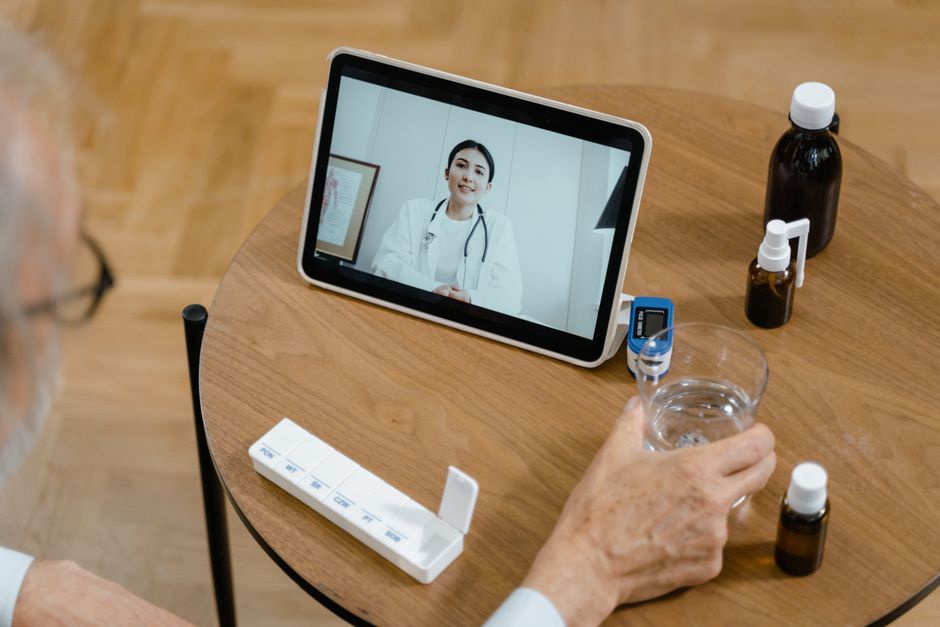
For a video or phone visit, find a private, reasonably quiet place. Test your connection, audio, and camera beforehand, and keep your notes and medicine list nearby. If the clinic accepts photos or documents, ask how to send them securely. A remote visit may still lead to an in-person examination or test. If privacy at home is limited, let the office know beforehand so you can discuss options.
Use the conversation to clarify decisions
Start with your priority and the short timeline you prepared. Let the clinician ask follow-up questions, and be candid about habits, medication use, symptoms, and barriers to care. They need to know what is really happening to recommend a workable plan. If you have read about a possible diagnosis, you can ask about it without feeling obliged to defend it: “I read about this condition because of the symptom. Does it fit, or is something else more likely?”
When a test or treatment is proposed, ask what it is meant to find out or improve, what the main alternatives are, and what happens if you wait. The amount of detail you need depends on the decision. For a new prescription, try: “How should I take it, when might it help, and which side effects should prompt a call?” For a test, ask when and how you will get the results. Speak up about cost, transport, time off work, or past treatment experiences; these can affect which options are practical.
Make room for understanding
Medical terms can be unfamiliar, and instructions may come quickly. Ask for plain language if something is unclear. Before leaving, repeat the plan in your own words: “I’ll take this once a day, book the blood test next week, and call if the swelling gets worse—is that right?” The clinician can then correct anything you have misunderstood. Written instructions are especially helpful when the plan has several steps.
If you bring someone you trust, agree beforehand whether you want them to take notes, help you remember questions, or simply listen. You can still ask to speak with the clinician alone for part of the visit. If you need an interpreter, request a qualified healthcare interpreter where available rather than relying on a child to translate sensitive or technical information.
Leave with a follow-up plan you can use
Before the appointment ends, find out what happens next: whether you need to book a follow-up, who arranges referrals, and how results will reach you. Ask what to do if symptoms do not improve and which changes mean you should seek help sooner. “Come back if it gets worse” is easier to act on when you know what “worse” means in your situation.
After the visit, put appointments and test dates in your calendar and keep the written plan somewhere you can find it. If a prescription is unavailable or the instructions conflict with what you understood, contact the clinic or pharmacist rather than improvising a dose. Follow up if results have not arrived by the time you were told; silence does not confirm that everything is normal.
For a recurring symptom, a note you can check later might read: “Blood test Thursday; results through the patient portal within one week; call the clinic if no result arrives; seek earlier advice if the symptom becomes persistent.”