
Put your keys, bag, and anything else you need by the door the night before. That small bit of preparation can spare you a frantic search when it’s time to leave. A calmer morning often starts with fewer decisions, not an earlier alarm.
Start with the morning you actually have
Work backward from the time you need to leave or begin work. Allow time for washing, dressing, breakfast, caring for others, and travel. If those tasks already fill the morning, squeezing in a long meditation or workout will add pressure. Try one brief addition instead, and leave enough room for the things you already do.
For three mornings, jot down where you get held up. You don’t need a detailed time log; “couldn’t find clothes” or “spent twenty minutes on my phone” will do. Then look for changes that don’t depend on willpower. Laying out clothes, charging your phone away from the bed, or deciding on breakfast the night before may do more than a complicated schedule.
Build a short, dependable sequence
Keep the basic steps in an order you can remember. For example:
- Get up and open the curtains or turn on a light.
- Use the bathroom and drink some water if you want it.
- Get dressed.
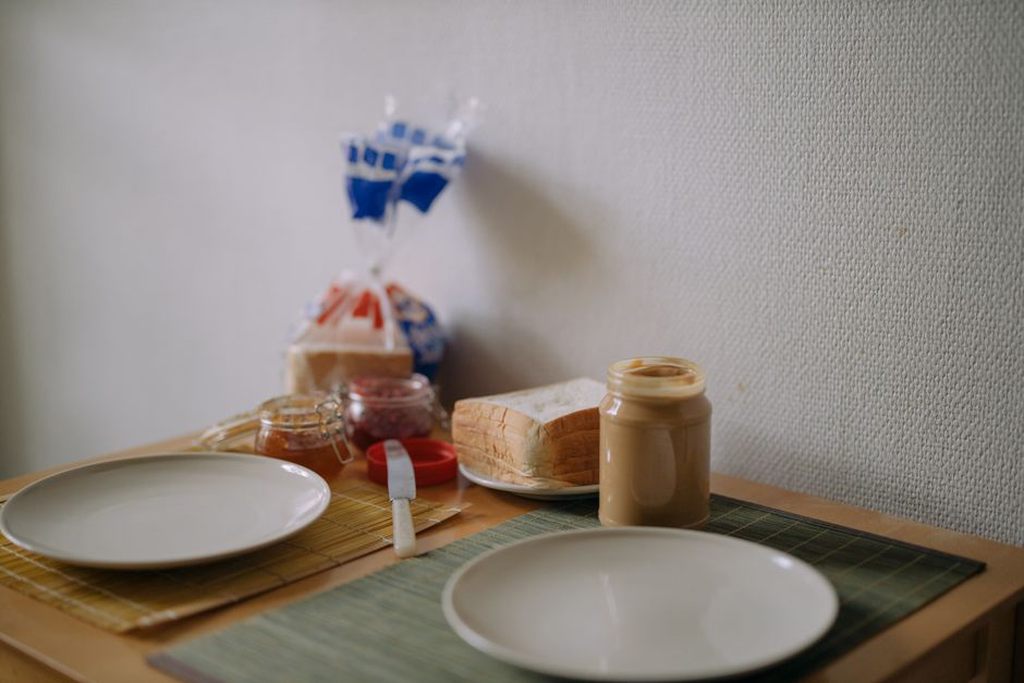
- Eat a breakfast that fits your appetite and schedule.
- Check the day’s essentials before leaving or starting work.
This isn’t a rule about when to eat, how much water to drink, or whether to exercise. It simply makes the next step easier to see. If breakfast needs to wait, decide when you’ll eat rather than forcing it into a rushed window.
Give the routine a realistic time boundary
Estimate how long the essentials take on an ordinary day, then leave some room for interruptions. If the plan works only when no one else needs the bathroom and nothing spills, it’s too tight. Treat pleasant extras as extras: five minutes of reading might be welcome, but missing it shouldn’t spoil the morning.
If you regularly sleep through an earlier alarm, don’t assume less sleep is the price of a calmer start. Consider whether your evening schedule leaves enough time for rest, and simplify the morning where you can. Persistent sleep difficulties or severe daytime fatigue deserve attention from a healthcare professional.
Reduce noise and choices
Phone alerts, a crowded countertop, and competing plans can make the morning feel busy before you’ve begun. Try leaving non-urgent notifications off until you’re dressed, or checking messages at a set time. Keep what you need for the first hour within reach and move unrelated clutter aside.
Keep preparation modest. Set a clean mug beside the kettle, check the weather before choosing clothes, or leave a written appointment reminder by the door. You don’t need to plan every detail of tomorrow—just the choices that tend to slow you down.
Make room for different kinds of mornings
Shift work, caregiving, shared housing, and unpredictable commutes can make a fixed wake-up time impractical. Instead, tie each step to something that happens: turn on a light after getting out of bed; check what you need for the day after getting dressed. Have a shorter version ready for mornings that get interrupted.
- Full version: Complete essential tasks, then spend a few quiet minutes on something you enjoy.
- Short version: Wash, dress, eat or pack food, and gather what you need.
- Disrupted version: Identify the next essential task and leave optional habits aside.
A calm morning needn’t be silent. You might like music while making breakfast, or you might need quiet until you’re fully awake. What matters is whether your surroundings help you keep a steady pace.

Adjust one thing at a time
Give the routine a week before deciding what works. When a step keeps going wrong, look at the obstacle rather than blaming your discipline. If breakfast takes too long, pick a simpler option. If you always skip a quiet activity, move it to another part of the day. And if you’re still leaving late despite following the plan, allow more time or cut a step.
For tomorrow, write down your departure or start time and the three things that must happen first. Then put the first item you’ll need somewhere you can see it when you get up.