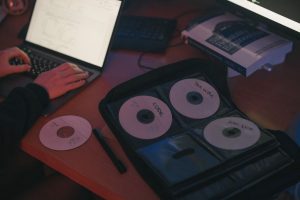
“The release date is wrong” flags a problem but gives an archive contributor little to work with. Try: “The draft lists 2011, while the sleeve scan appears to say 2012. Could we check another source before publishing?” That identifies the disputed detail, shows the evidence, and suggests a next step. Good feedback makes the work easier to correct without making the contributor the problem.
In a small music archive, writers, photo editors, researchers, translators, and volunteers may work from different kinds of evidence. A comment on an entry about Finnish thrash metal needs to distinguish a factual correction from an editorial preference, or a missing source from a weak sentence. Those distinctions speed up revisions and keep disagreements focused on the work.
Prepare the comment before you deliver it
Start with the entry’s purpose. Is it establishing a release chronology, describing a band’s sound, or helping readers identify an independently issued recording? An uncertain recording date may be central to a discography entry but less important in a paragraph about sleeve design.
Check what you know before correcting someone else. A scan, a contemporary gig flyer, a dated review, and a later recollection do not all establish the same thing. If sources conflict, say so rather than presenting your preferred date as settled. Set aside purely stylistic changes unless they improve clarity or follow an agreed house style.
Before sending a substantive comment, give it three parts:
- Observation: the exact passage, caption, file, or decision you mean.
- Reason: its effect on accuracy, usability, or the agreed goal.
- Request: a feasible revision or a question that would resolve the issue.
For example: “The caption names the group but not the venue. Readers might confuse this photo with another show from the same tour. Do we have a flyer or photographer’s note that confirms the location?” That is more useful than “The caption needs work,” and it does not assume the missing information is available.

Choose the right setting and timing
A minor typo can usually be marked in a draft. A sourcing disagreement or a recurring problem may deserve a private conversation. Public comments make sense when several people need to understand a shared editorial decision, but they should not turn one person’s mistake into a group performance. If readers can already see a factual error, correct the record promptly and discuss the workflow issue separately.
Raise concerns while the work is still revisable. A detailed critique after an entry goes live can come as a surprise if nobody mentioned the problem during editing. Near a deadline, separate essential fixes from optional refinements: “We need to resolve the unverified date before publication; the paragraph order can wait.” A short list of priorities is easier to use than a page of equally weighted comments.
In volunteer projects, check whether the contributor has time to discuss a complex issue. That does not mean postponing an urgent correction indefinitely. State the deadline and offer a workable option: “This attribution needs checking before the entry is published tomorrow. Can you review the scan this afternoon, or should I take that check?”
Describe the work, not the worker
Labels such as “careless” or “defensive” tell someone little about what to change. “You always leave out sources” invites them to defend their record instead of examining this draft. Be specific: “Three claims in the second paragraph have no source note. I cannot tell which details we can verify before publishing.”
You may not know why a credit is missing. It could be an oversight, an incomplete handover, or uncertainty about how it should appear. When the context matters, ask: “Was the photographer’s name unavailable, or did it get lost when the caption was shortened?” The question should open a path to correction, not hide an accusation.
Keep interpretation separate from evidence
Music writing includes judgments that cannot be checked like dates. “This sounds like classic thrash” may be defensible, but it tells the reader little on its own. Ask the writer to show what they heard: rapid riff changes, a particular guitar tone, or a track’s arrangement. “Could you name the musical features behind ‘old-school’ so readers can follow the comparison?” improves the writing without turning feedback into a contest of taste.
Historical claims need similar care. If a draft calls a band “overlooked,” ask what supports that description. Limited coverage in the archive’s holdings does not prove nobody covered the band. A narrower claim may be more accurate.
Make the next step manageable
When every sentence carries a correction, it is hard to tell what matters most. Group comments by priority and make clear which decisions belong to the contributor:
- Accuracy and attribution: disputed dates, names, credits, quotations, and source claims.
- Reader comprehension: missing context, unclear chronology, or unexplained terms.
- Presentation: structure, tone, captions, and house style.
Unless rewriting is your agreed editing role, do not replace a colleague’s entire contribution in the comments. If a pattern is hard to explain, give one example and let the writer apply it elsewhere: “The first band reference needs a location and a time period; the later references are clear once that context is in place.”
When neither of you has seen the source needed to settle a correction, assign a check rather than demand certainty. “Let’s mark the year as unconfirmed until someone can inspect the physical copy” is a valid editorial decision. The contributor should know whether to revise now, look for evidence, or leave a clearly identified gap.
Invite a response without surrendering standards
After raising a concern, leave room for context. The contributor may know why a caption omits a venue or why two spellings appear in contemporary material. Listening does not mean accepting every explanation; it helps you decide whether to correct the entry, add a qualification, or leave it alone.
Separate standards from choices. Accurate credits and clearly identified uncertainty are requirements. The order of two equally sound descriptive paragraphs may be up to the writer. Say which is which: “We need a source for the claim about the recording session. You can decide whether the production description belongs before or after the track discussion.”
If you receive feedback, restate the requested action before revising: “I’ll check the date against the sleeve and flag it as uncertain if that is all we have.” If you disagree, bring the relevant evidence rather than arguing about tone alone. A point can remain open for later research, as long as the published text does not present it as fact.
Close the loop in the draft or shared notes: mark resolved queries, record which source settled them, and keep the wording of any remaining uncertainty. If the same issue returns month after month, try a small process change, such as adding a source field to the entry template. A final note on an entry awaiting publication might read: “Venue confirmed from the flyer; photographer credit still pending, so the image stays unpublished.”