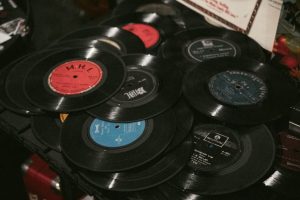
A concert poster tells you a show was advertised. It does not tell you whether the band played. In a small scene, a cancelled date can leave behind a flyer and almost no public record of the cancellation. Before searching, break the account you want to write into claims you can check.
Start with the claim, not a search result
The evidence depends on the claim. A release date might appear on a sleeve, in a label catalogue and in a contemporary review, though you still need to check that all three refer to the same release. To write about a recording’s sound, listen to it and identify the edition where that matters. Calling a Finnish thrash band influential takes more: documented citations by other musicians or substantial contemporary coverage, not just an enthusiastic adjective.
Keep a short claim list as you research. Mark each entry as a basic fact, an interpretation or a recollection. That way, a vivid interview does not quietly become proof of an exact date, and you spend time finding evidence the post needs.
Find evidence close to the event
Look first at material made by people who created, presented or directly documented the work: physical releases and inserts, label announcements, venue calendars, festival programmes, archived band statements and contemporary interviews. Local newspaper reports and dated reviews can supply independent context. Search the band’s name with an album title, venue, label or approximate year. Try alternative spellings and Finnish-language terms when useful.
Being close to an event does not make a source impartial or complete. A band announcement is good evidence of its plans, but not of a tour going ahead exactly as advertised. A sleeve documents the credits printed on that edition; a later reissue may say something different. Name the edition when the distinction affects your claim.
Use a source ladder
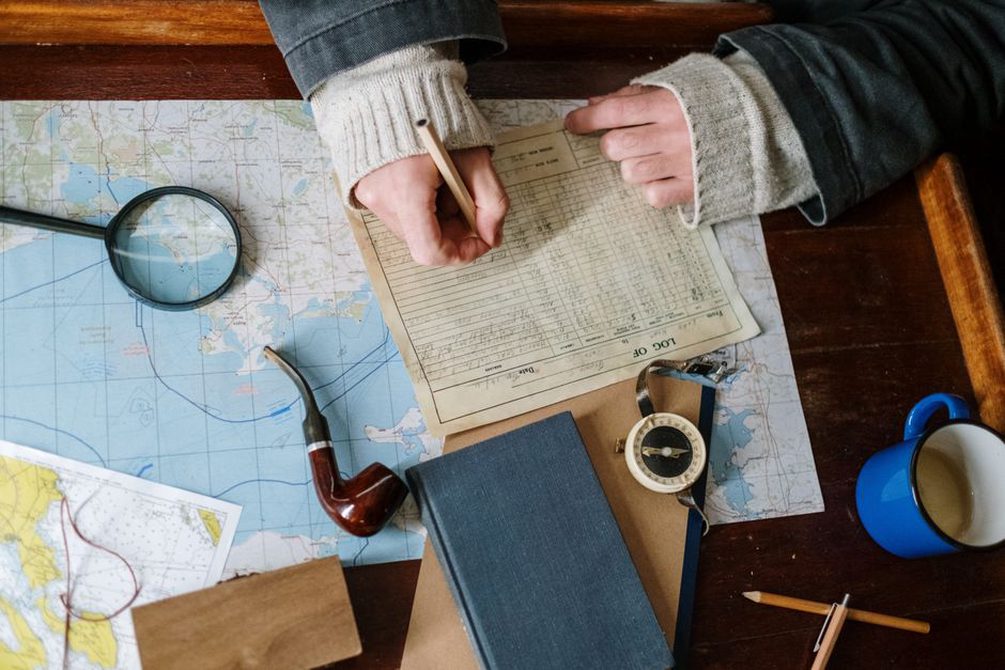
- Inspect the original item when you can: a record, flyer, programme or dated statement.
- Check contemporary reporting for reception or accounts of events after they happened.
- Consult specialist references for discography leads, then follow important details back to their underlying evidence.
- Use later recollections for perspective, noting who is speaking and how long after the event.
Think of this as an order of investigation, not a fixed ranking. A careful retrospective interview might explain a recording process better than an old press release. For a disputed show date, a dated venue notice and a post-show account generally give you firmer ground than memory alone.
Check independence, provenance and context
Three pages repeating the same sentence may amount to one source. Watch for shared wording, identical mistakes or citations that all lead to a database entry or promotional biography. Confirmation is independent only if the information was established separately.
Ask who made each item, when and for what purpose. A review published around a release shows how one critic heard the record at the time; it cannot measure the whole scene’s response. A fan-maintained gig list may be painstakingly researched, but does it identify the posters, tickets or firsthand accounts behind its entries? Be especially careful with undated pages about lineups and release chronology: they may have changed without a change log.
Photographs need the same scrutiny. A caption might name a venue while the image itself shows only a band onstage. If reliable accompanying records cannot establish the date or location, describe only what you can verify.
Handle contradictions without forcing certainty
When sources disagree, look at how close each is to the event and what each date actually describes. A sleeve might carry a copyright year, a label announcement a planned street date and a review the month its writer received a copy. These are different milestones. If all you know is that the sleeve bears a 2011 copyright date, say that rather than assigning an exact release date.
If the conflict remains unresolved, narrow the wording or leave the detail out. An itinerary supports “the band advertised a European tour”; it does not establish that the band completed every date. Keep a note of the disagreement so you can revisit it without retracing the entire search.
Make sources easy to revisit
For each important claim, record enough to find its evidence again. A compact source log can hold:
- the exact claim and the passage, credit or object that supports it;
- the creator, title, publication or issuing organisation, and date;
- the edition, page, track, image identifier or archived capture you consulted;
- whether the item is firsthand material, contemporary reporting or later recollection;
- any uncertainty, conflict or correction to check before publication.
Keep lawful reference copies or notes where permitted, but do not circulate unauthorized recordings to support a post. For a physical item, transcribe the relevant credit and note the format and pressing details you can verify. For web material, record both the publication date and the date you accessed it; they answer different questions.
Match the strength of the prose to the evidence
Good sourcing leaves room for interpretation. It makes clear where observation ends and inference begins. After listening, you can describe a tight snare sound or a shift in tempo. To say what a musician intended, you need a statement from that musician or another suitably placed witness. A technical listening piece such as Listening to the Drums in Finnish Thrash Metal needs that distinction between what is audible and how it was made.
When a source matters to the reader’s judgment, name it in the prose: “The festival programme lists the band for Saturday” says more than an unsupported date. Before publishing, pick a sentence with a date, lineup or venue and trace it through your notes. If the trail stops at an unattributed repost, change the sentence to say only what the evidence supports.