
An original CD and a cassette reissue may contain the same album, but a collector is buying more than the songs. The cassette could use a different master, leave out the booklet, or add a bonus track. Calling either copy “the definitive version” before checking those details tells readers less than a straightforward account of what is in each one.
In a Finnish thrash archive, the item under comparison might be a demo, a reissue, or two formats of the same recording. Pin down the editions, weigh the details that matter to listeners and collectors, and keep documented differences separate from personal taste. A reader might be looking for a listening copy, researching a release’s history, or trying to identify the disc on their shelf.
Identify the exact versions first
An album title is seldom enough. Note the artist, title, format, label, catalog number if available, and the edition or pressing you mean. If the release date is uncertain, do not turn an approximate year into an exact day. Keep an original independent release distinct from a later licensed edition, even if both carry the same title.
Those distinctions matter to scene history. A self-released demo sold at local shows had a different role from a later edition with wider distribution. Neither is automatically better, but their packaging, availability, and presentation may reflect that difference. If you cannot inspect physical copies, identify which details come from label documentation or credited scans and which you have not verified.
Choose criteria before judging
Decide what you will compare before reaching a verdict: track sequence, mastering or mix, packaging, credits, bonus material, and documented availability. For different formats, consider playback compatibility and whether the artwork and lyrics remain legible. Treat price separately. The asking price for an out-of-print record can change sharply with condition, seller, and location; a price observed on a particular date is not a permanent property of the edition.
Priorities depend on the reader. Someone researching a band’s first release may put the original track sequence and artwork first. Someone who mainly wants to hear the record may prefer an edition that is currently available. Say who each copy suits rather than naming a universal winner.
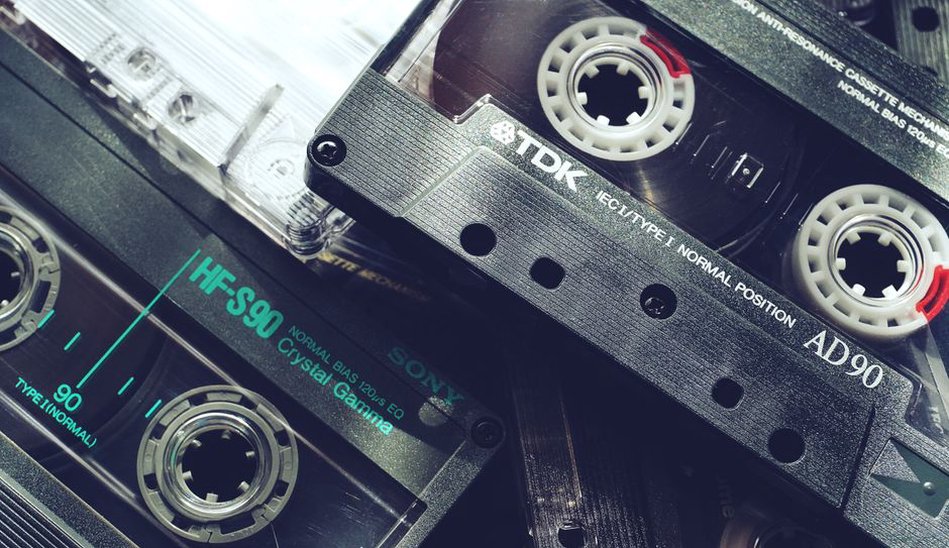
Build a comparison readers can check
A short table makes the factual differences easy to find and check. Keep each entry narrow. Here is a purely illustrative comparison, not a description of a particular release:
| Question | Earlier CD edition | Later cassette edition |
|---|---|---|
| Track sequence | Original album sequence | Original sequence plus one identified bonus track |
| Artwork | Full-size booklet with lyrics | Foldout insert with reduced artwork |
| Listening difference | Mastering details not established | Mastering details not established |
That last row belongs there. If the credits and your comparison do not establish a mastering difference, say so rather than claiming “warmer analog sound.” How a cassette plays depends partly on the tape, the deck, and the condition of both. The format alone cannot tell you how that edition was mastered.
Keep sound descriptions specific
Raw, aggressive, and old-school can convey an impression, but tell the reader what you heard. “The guitars sit ahead of the bass in the mix” says more than “crushing production.” “The rhythm guitar remains distinct during fast passages” points to something a listener can check without assuming everyone will like it.
Try to compare editions at reasonably matched playback volumes. A louder copy can seem more forceful even when the music is unchanged. Equipment and the condition of a used copy matter too. If you heard only one cassette or relied on a compressed preview, say so; neither is a sound basis for sweeping claims about the release.
Replace promotional language with bounded claims
Promotional language tends to skip the evidence. “Essential for every thrash fan” presumes too much about the audience. “Rare” needs some basis in how many copies exist or how often they turn up. “Best version” hides several separate judgments. Name the feature instead, and explain whose needs it serves.
- Instead of “the ultimate edition,” write “the only edition examined here that includes the demo tracks.”
- Instead of “unmissable sound,” identify what you heard and which listening source you used.
- Instead of “impossible to find,” write “no current edition was confirmed during this review,” if that is all the evidence supports.
- Instead of “authentic underground release,” give the original label, format, and distribution context where those details are documented.
This is more than a matter of tone. A debut demo can be important to a band’s history while a later reissue offers clearer credits or easier access. A collector may still prefer the demo, but that preference is not itself a historical fact.
Separate evidence, interpretation, and preference
Record comparisons often place three different kinds of claim side by side. “The reissue adds two live tracks” is a fact to check against the release. “The added tracks show how the songs worked onstage” is an interpretation, best grounded in listening and, where relevant, reliable performance documentation. “I prefer the original running order” is a preference. Readers can follow your judgment more easily when they know which is which.
Small scenes often leave patchy documentation. That is no reason to fill gaps in a release chronology, concert history, or lineup change with guesses. If sources disagree, identify the disagreement rather than settling it with a confident-sounding sentence. A comparison can still be useful when a catalog number, pressing quantity, or recording location remains unconfirmed.
Make the choice conditional, not evasive
A recommendation can be clear without pretending one edition wins at everything: “Choose the reissue if you want the additional tracks; seek the earlier edition if the original artwork and sequence matter most.” Each part ties a feature to a reader’s purpose.
Be equally careful about access. An early pressing being hard to find does not make the recording free to copy. Point to legitimate editions or archival access where known, not unauthorized transfers. And when judging packaging, inspect a complete copy if possible: one missing its insert cannot show what the edition originally included.
On a final read, find any sentence that calls an edition “the best-sounding.” Can you name the difference you heard, the copies you compared, and any playback limits? If not, cut the claim. The table can still say what is known—and what is not.