A snake plant may do well several feet from a bright window. Put a small cactus in the same spot, and it may stretch toward the light. Before buying a houseplant, judge the daylight where the pot will sit, not just the direction the room faces. A north-facing window and a south-facing sill offer very different conditions.
Work out how much light the spot receives
For indoor plants, bright indirect light means plenty of daylight without sustained direct sun on the leaves. Direct light reaches the plant unobstructed and often casts a distinct shadow. Low light is dimmer than a window position, though you can still see comfortably during the day. A room with no usable daylight is not a low-light spot for a living plant; it needs a grow light.
Window direction helps, but it does not tell the whole story. In the Northern Hemisphere, an unobstructed south-facing window often gets the strongest light, while a north-facing one usually receives softer light. The pattern reverses in the Southern Hemisphere. Season, latitude, nearby buildings, trees, curtains, and distance from the glass all matter. A plant three metres from a window may get far less light than one beside it.
- High light: Several hours of direct sun, or a very bright spot close to an unobstructed window.
- Medium light: Bright indirect light near a window, perhaps with gentle early or late sun.
- Low light: Daylight without appreciable direct sun, usually away from a window or beside a shaded one.
These are practical categories, not precise measurements. Look at the spot at different times of day. Do sunbeams cross it? Does a curtain filter them? Once the plant is there, thin, widely spaced growth or a strong lean toward the window can signal too little light.
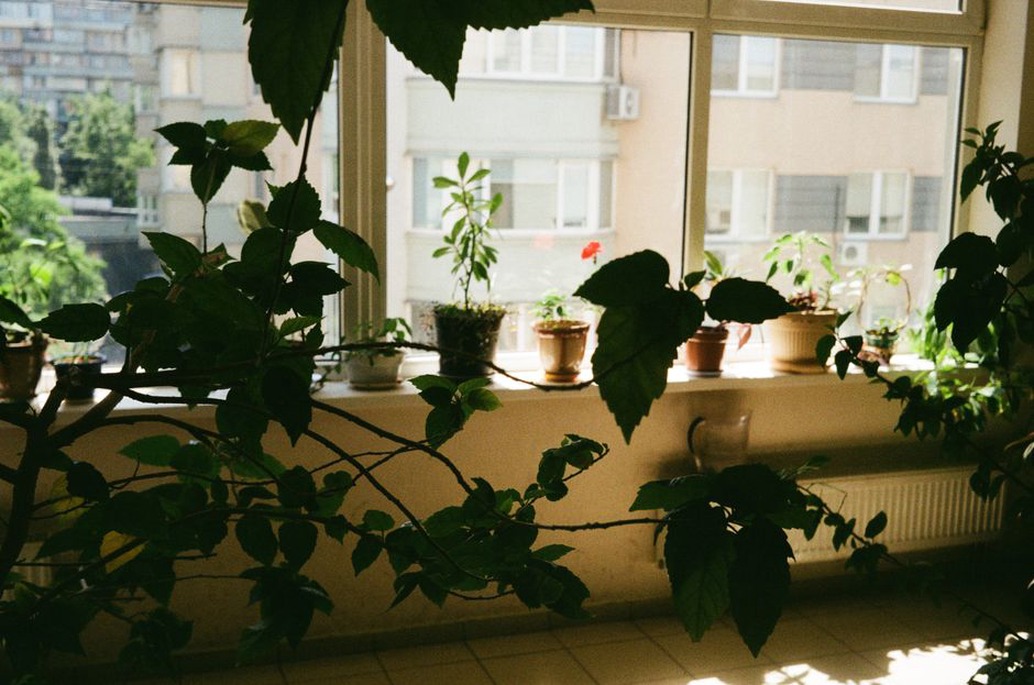
Low light: plants that tolerate a slower pace
Tolerating low light is not the same as preferring darkness. Plants in dimmer spots usually grow more slowly and use less water, so overwatering is the main risk. Use a pot with a drainage hole, check the soil before watering, and expect less growth than you would see near a brighter window.
ZZ plant
ZZ plant (Zamioculcas zamiifolia) has glossy leaflets and thick underground rhizomes that store water. It tolerates low to medium indoor light and irregular watering, making it a good choice for a shelf or floor spot with daylight but little sun. Let much of the mix dry, then water thoroughly and empty the saucer. In low light, the wait between waterings can be much longer than in a bright room.
It generally grows faster in bright indirect light. If stems yellow while the soil stays wet, check the drainage and roots rather than adding water. ZZ plant tissue can irritate if eaten, so keep it away from pets and young children.
Cast-iron plant
Cast-iron plant (Aspidistra elatior) tolerates shade, changing household conditions, and an occasional missed watering. Its broad leaves work well in a floor pot when you want a larger plant without the fast growth or frequent pruning of some vines. Water when the upper portion of the soil has dried, and do not leave the root ball saturated.
Slow growth in a dim room is normal, not a reason to fertilize heavily. Keep it out of harsh midday sun, which can scorch leaves grown in softer light.
Snake plant
Snake plants (Dracaena trifasciata, often sold under the older name Sansevieria) handle light ranging from relatively dim to bright and indirect. Their upright leaves need little floor space. They cope well with missed waterings, but not with soil that stays wet for weeks. Let the mix dry substantially, especially in winter or low light.
They are a poor choice where a curious pet might chew the leaves; ingestion can cause illness. Plan the placement around the animal rather than assuming a raised pot will stay out of reach.
Medium light: forgiving plants for bright rooms
A spot near a window but out of strong afternoon sun offers more choice. Many beginner-friendly foliage plants grow steadily here without the heat and rapid drying of an exposed sill.
Golden pothos
Golden pothos (Epipremnum aureum) is a trailing vine that does well in medium light and tolerates lower light. In a dim spot, though, its variegation may fade and its growth may become sparse. Water when the upper few centimetres of mix feel dry. Trim long stems just above a leaf node to keep the plant fuller; cuttings can root in water or potting mix.
Calling pothos nearly indestructible overlooks cold drafts and constantly wet soil. It is also toxic if eaten by cats, dogs, or people. A hanging basket helps only if fallen leaves and trailing stems remain out of reach.
Heartleaf philodendron
Heartleaf philodendron (Philodendron hederaceum) has solid green, heart-shaped leaves and a similar trailing habit. It prefers bright indirect to medium light; it can tolerate less, but growth slows. Water after the top layer of mix dries, and turn the pot occasionally if stems reach toward one side of the window. Let it trail or guide it up a small support.
Its leaves, like pothos leaves, are harmful if chewed. Check the botanical name on the label: plants sold as philodendrons do not all have the same care needs.
Spider plant
Spider plant (Chlorophytum comosum) grows arching foliage and, once established under suitable conditions, may send out plantlets on long stems. Give it bright indirect or medium light, and water when the surface soil has dried. It is generally a pet-friendlier choice than pothos or philodendron, though a pet can still damage the leaves or knock over the pot.
Brown tips are common and do not always mean something serious is wrong. Inconsistent watering, too much fertilizer, or a buildup of minerals and salts in the mix may contribute. If the rest of the plant looks healthy, trim the dry tips, feed sparingly, and occasionally water thoroughly so excess water drains through the pot.
Chinese evergreen
Chinese evergreens (Aglaonema species and cultivars) are compact foliage plants suited to medium light. Green-leaved varieties generally handle lower light better than highly patterned ones, which may need more light to keep their colour. Let the top portion of the mix dry before watering, and avoid cold drafts and prolonged strong sun.
They can be toxic if eaten. For a low shelf in a home with pets, a spider plant may be a better choice. Read the label, too: cultivars vary in size and light tolerance.
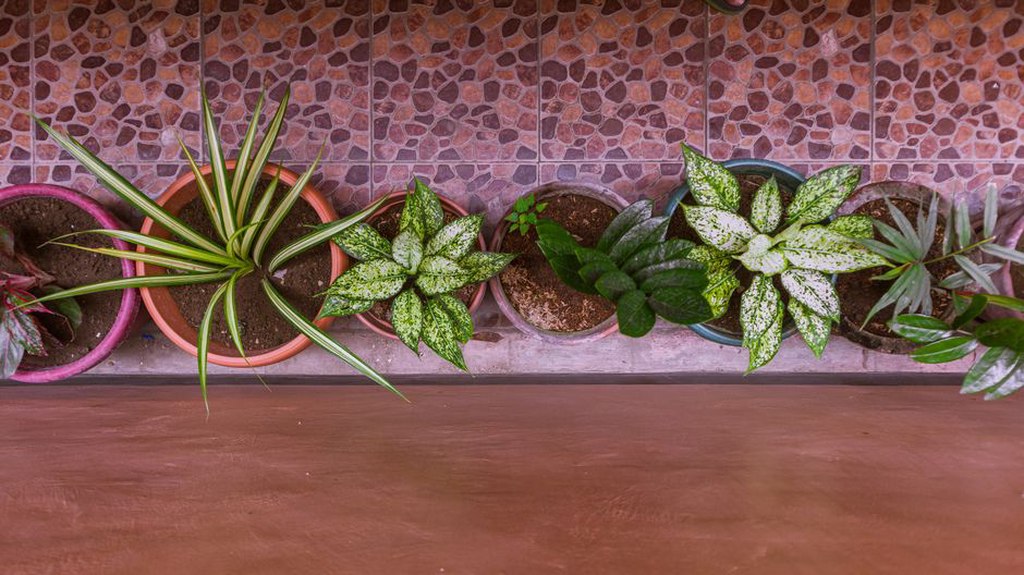
High light: easy plants for sunny positions
A sunny window is useful growing space, but even a low-maintenance plant may struggle with intense sun if it is moved there abruptly. Glass, summer heat, and dry potting mix can all add stress. If a plant came from a shaded shop display, ease it into stronger light over a week or two.
Jade plant
Jade plant (Crassula ovata) is a slow-growing succulent with fleshy leaves and stems. It thrives in bright light and, once acclimated, can take several hours of indoor sun. Use a free-draining mix and a pot with a drainage hole. Water thoroughly only after the mix has dried well; in a cool, dark winter, it may need water far less often than during active growth.
Jade plants can become top-heavy, so give them a stable pot. They are toxic to cats and dogs. Soft, falling leaves with wet soil point to a different problem than slightly wrinkled leaves in bone-dry soil. Check the mix before reaching for the watering can.
Aloe vera
Aloe vera needs bright light and a free-draining mix. It tolerates some direct sun, but a plant raised in gentler light can discolour or scorch if suddenly placed in intense afternoon sun. Let the soil dry between thorough waterings, empty the saucer, and avoid pouring water into the centre of the leaf rosette, where it can linger.
Aloe may be kept for its leaves, but it is not harmless greenery around animals: ingestion can cause problems for pets. Put it where people will not repeatedly brush against its stiff leaf edges, either.
Haworthia
Haworthias, including plants sold as zebra haworthia, stay compact and suit a bright windowsill with gentle direct sun or strong indirect light. They often tolerate less direct sun than jade plants, especially when it is hot and prolonged. Let the mix dry between waterings, and use a small pot that drains freely. An oversized pot of damp soil can cause root trouble.
If the sill gets excessively hot, move the plant a little way back from the glass. A winter position may need adjusting when summer sun grows stronger.
Make watering fit the light, not the calendar
“Water once a week” ignores how much a plant's water use changes with light, temperature, season, pot size, and soil mix. A plant in low light usually takes longer to dry; a sunlit succulent in a small pot may dry much faster. Test the soil with a finger or wooden skewer, reaching below the surface in a deep pot. You can also lift a manageable pot now and then to learn how heavy it feels when the mix is moist or dry.
- Check the plant's needs. In comparable conditions, a pothos generally needs water sooner than a jade plant.
- Test below the surface. Soil can look dry on top and still be wet deeper down.
- Water thoroughly when needed. Let some water run from the drainage hole, then empty the saucer or outer pot.
- Check again later instead of topping up daily. Frequent small splashes can leave some of the root ball dry while other areas stay wet.
Drainage holes make this easier. If you use a decorative cachepot, take the inner pot out to water it or check the bottom afterward so roots are not left standing in water. With no drainage hole, it is harder to tell how much water is trapped inside; a separate nursery pot is a safer beginner setup.
Choose a plant for the household as well as the window
Light is only part of the choice. Consider a plant's mature size, whether trailing stems will get in the way, and whether an animal might chew its leaves. A compact haworthia and a large cast-iron plant solve different space problems. Where pets can reach foliage, spider plants and cast-iron plants are generally preferable to pothos, ZZ plants, jade plants, or aloe. Some animals will still need a barrier to stop them digging in the soil or knocking over pots.
Keep pots away from heating vents, cold drafts, and surfaces that water could damage. In a room where you store paper or recordings, do not put them above shelving or beside anything a spill could harm. The practical details of houseplant care around a home music archive matter especially when plants and stored materials share a small room.
For a first plant, choose one suited to the exact spot. A small haworthia in a draining pot is a reasonable choice for a bright sill with gentle morning sun. Write down when you water it, then check the mix before watering again. What you learn about that spot's drying time will be more useful than a schedule on the label.