A plant beside a box of gig flyers needs enough light to grow, but it also needs a spot where watering cannot damage paper. Put the pot on a waterproof tray, clear of sleeves, photographs and electrical equipment. If the only safe spot is a dim corner, choose a plant suited to lower light or keep the plant elsewhere.
Care does not have to become another cataloguing job. Notice where daylight reaches, whether the pot drains and how long the mix stays wet. Those checks matter in any room; around a music collection, spills and excess humidity carry extra costs.
Start with the room, not the plant label
Check the proposed spot at several times of day. A window may provide bright light while a position across the same room offers much less than it appears to. Direction, nearby buildings, curtains and season make a difference. Watch for extremes, too: a windowsill can turn cold at night, and direct sun through glass can overheat foliage.
For a first plant, pick a healthy, established specimen whose light needs match a spot you actually have. Pothos, snake plants and ZZ plants tolerate a range of indoor conditions, but tolerant of lower light does not mean able to grow without daylight or an appropriate grow light. Check care information for the particular plant rather than assuming every variety behaves alike. The houseplant overview on Wikipedia offers background on indoor growing; the plant and the room will still determine your routine.
Inspect it before bringing it home. Leaves should feel reasonably firm for the species, with new growth or a sound central stem. One damaged leaf may mean little; widespread yellowing, collapsed stems, sour-smelling mix or visible insects deserve a closer look. Check beneath the leaves and around stem joints. If you already have plants, keep the newcomer separate for a while and inspect it periodically before moving it among them.
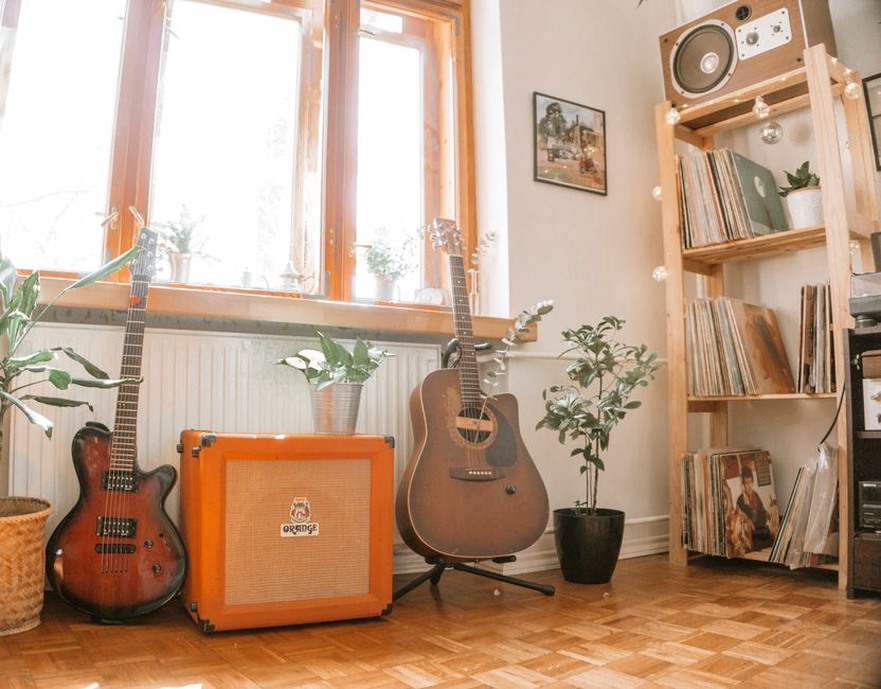
Pick a safe position for both plant and collection
Keep pots off shelves holding original photographs, paper inserts, cassettes or records. A saucer catches ordinary drainage, but it can overflow. Use a stable surface and a waterproof tray large enough for the pot; empty the tray after watering. Leave space between leaves and cold glass, and keep the pot away from heaters and strong drafts. If a pet shares the room, check whether the species is safe for that animal and choose a spot where chewing or digging is unlikely.
Water according to the mix, not the weekday
Overwatering is less about how much you pour at once than how long roots remain in wet, poorly aerated mix. They need oxygen as well as moisture. Pot size, growth, temperature and light all affect drying time, so a Sunday watering rule may be too frequent in winter and too sparse when the plant is growing.
Before watering, press a finger a few centimetres into the mix. If it is dry on top but moist below, wait if the plant prefers to dry somewhat between waterings. A pot that feels noticeably lighter is another clue. For a small pot, a wooden stick can help you check deeper moisture. None of these is a universal threshold: a moisture-loving plant and a succulent need different treatment.
When the plant needs water, pour slowly over the surface until some runs through the drainage holes. Let the pot drain, then discard the water in the tray. If water rushes straight out while the mix still feels dry, the mix may have pulled away from the container or become hard to rewet. Water in stages and check the mix before assuming the roots received enough. Do not leave a nursery pot standing in water inside a decorative outer pot.
Drainage holes make watering easier to judge. For a decorative pot without them, keep the plant in a slightly smaller nursery pot. Take the inner pot out to water it, and put it back only when drainage has stopped. Stones at the bottom of a holeless container do not provide an exit for excess water.
Understand what changes through the year
Growth often slows as days shorten, especially away from a bright window. The mix may stay moist longer because the plant uses less water, even when indoor heating makes the air feel dry. Check the mix instead of giving the roots extra water to make up for dry air. Longer spring and summer days may bring new leaves and faster drying; inspect more often rather than sticking to a fixed amount.
Air humidity and soil moisture are separate concerns. Some tropical foliage plants dislike very dry air; others manage well. Brown, crisp leaf edges can point to dry air, but inconsistent watering or other stress can cause them too. Grouping compatible plants may modestly change the air right around them. Avoid running a humidifier near printed material or raising humidity throughout an archive room for one plant: persistent dampness puts paper at risk.
Leaves collect dust, just as record shelves do. Wipe smooth leaves gently with a damp cloth, or rinse them somewhere a spill cannot reach stored materials. Support each leaf, and avoid soaking the mix during a rinse. Hairy or delicate leaves may need a softer, drier method. While cleaning, check for pests.
Use a potting mix that can breathe
Most houseplants fare better in container mix than in soil dug from outdoors. The mix needs to retain some moisture while letting surplus water pass through and air reach the roots. The right balance varies: a moisture-loving tropical plant and a succulent may need different mixes. Follow dependable care guidance for the species, and do not pack mix tightly around the roots.
Repot for a reason, not simply because you brought the plant home. Densely circling roots, water running through unusually fast because little mix remains, or stalled growth despite suitable conditions are reasons to check the root ball. Choose a pot only modestly larger. Too much new mix can stay wet around a small root system longer than you expect.
A healthy plant can remain in its draining nursery pot inside an outer one. In a room full of collectibles, that makes it easy to carry the inner pot to a sink. After repotting, pay attention to how the new mix dries; the old watering interval may no longer apply.
Fertilizer is not a repair for poor light
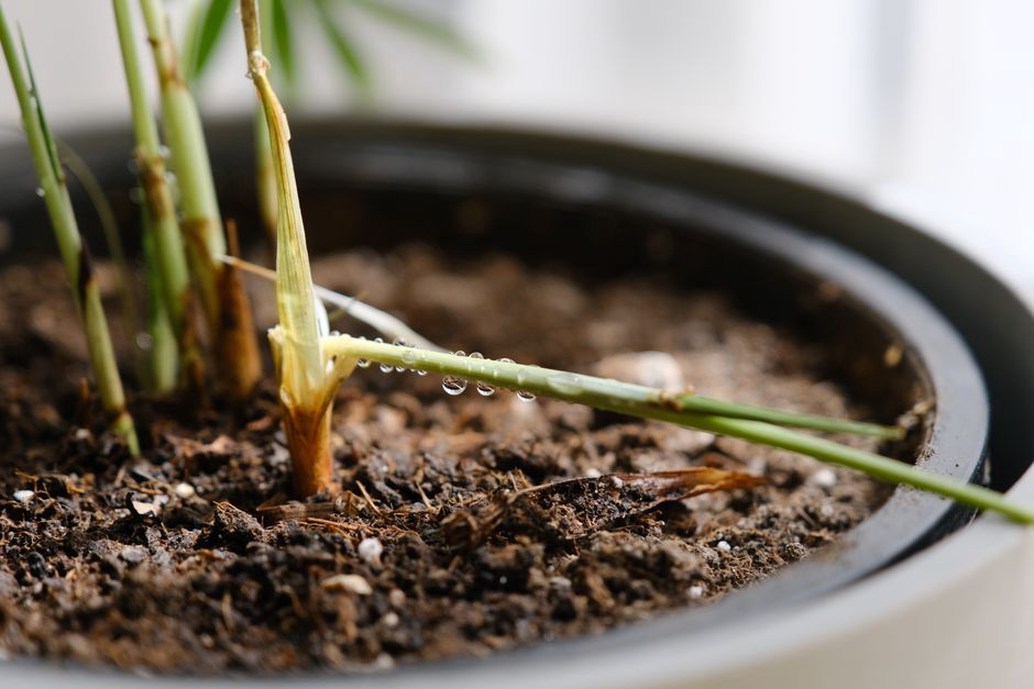
Actively growing plants use nutrients from their mix, and occasional fertilizer may replace some of what growth and watering remove. Follow the product directions and be cautious with a stressed plant. Extra fertilizer will not fix poor light, damaged roots or persistently soggy mix. If the plant barely grew during darker months, wait until growth resumes and its basic conditions are sound.
Read symptoms as clues, not diagnoses
One yellow leaf is not an emergency; older leaves die off naturally. Several appearing together, especially alongside wet mix and soft stems, warrant a look at drainage and watering. A limp plant may be thirsty, or it may have damaged roots sitting in wet mix. Feel the soil before reaching for the watering can.
- Long, weak stems or smaller new leaves: the plant may need more light. Move it gradually to a brighter suitable spot and watch the new growth.
- Brown, dry patches on leaves facing a window: check whether strong direct sun or heat reaches a plant that prefers filtered light.
- Yellowing with consistently wet mix: check drainage, empty the outer pot and wait until the mix reaches the appropriate dryness before watering again.
- Sticky leaves, fine webbing, cottony clusters or moving specks: isolate the plant and inspect leaf undersides and joints for pests before treating it.
Cut off badly damaged leaves with clean tools if necessary, but do not remove lots of healthy foliage to solve a care problem. Identify a pest before choosing a treatment, and follow the label for both pest and plant. Inspect and treat the pot at a sink or another washable spot, away from recordings, sleeves and paper that sprays or dripping leaves could damage.
Keep the routine small enough to maintain
A quick weekly look beats a chart you stop updating. See whether the mix is drying, check beneath a few leaves and make sure the tray holds no water. Turn the pot if it leans toward the window, but do it gradually rather than shifting the plant repeatedly between very different light conditions. Recording watering or repotting dates can help you spot a pattern; let the mix, not the date, determine the next watering.
At an archive desk with moderate window light, one workable setup is a draining nursery pot inside a stable outer pot, on a waterproof tray and apart from sleeves and cables. When it needs water, carry the inner pot to the sink, wet the mix thoroughly and let it drain. Check that the base has stopped dripping before returning it to the desk.