The Early Days: Setting the Stage
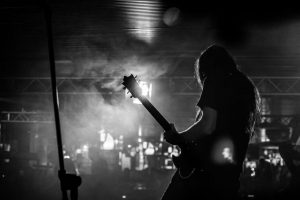
In the late 1980s and early 1990s, Finnish thrash metal began to take shape, echoing the global thrash movement. Inspired by American and German bands, Finnish musicians started to forge a distinct heavy sound. Initially, this burgeoning scene was confined to underground venues and self-produced demos, but it laid the foundation for a vibrant community.
Local Bands and Independent Releases
The early 2000s saw Finnish thrash metal bands gaining traction, driven by a strong DIY ethic. Groups like Stam1na and Mokoma released independent albums that merged traditional thrash elements with Finnish folklore and language. This period marked the emergence of a distinct Finnish thrash identity, characterized by aggressive riffs and thought-provoking lyrics.
Expansion and Recognition: Mid-2000s to 2010
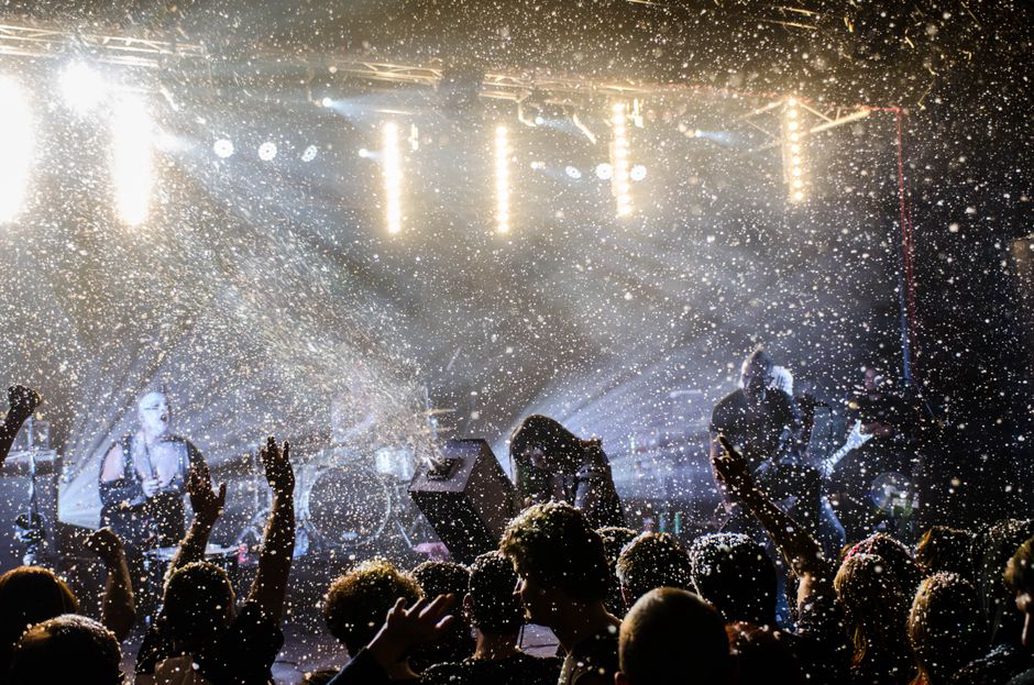
As the scene evolved, Finnish thrash bands began to gain international recognition. Bands like Altaria and Amoral embarked on European tours, introducing international audiences to their unique sound. This era saw a rise in festival appearances, where Finnish bands often shared stages with well-known international acts, strengthening their presence in the global metal community.
Convergence with Other Genres
In the mid-2000s, Finnish thrash metal began blending elements from punk and death metal, creating innovative soundscapes. This fusion attracted a diverse audience and led to collaborations across genres. The article The Rise of Thrash Metal in Finland provides more insights into how these musical partnerships enriched the scene.
Sound and Aesthetic: The Thrash Metal Essence
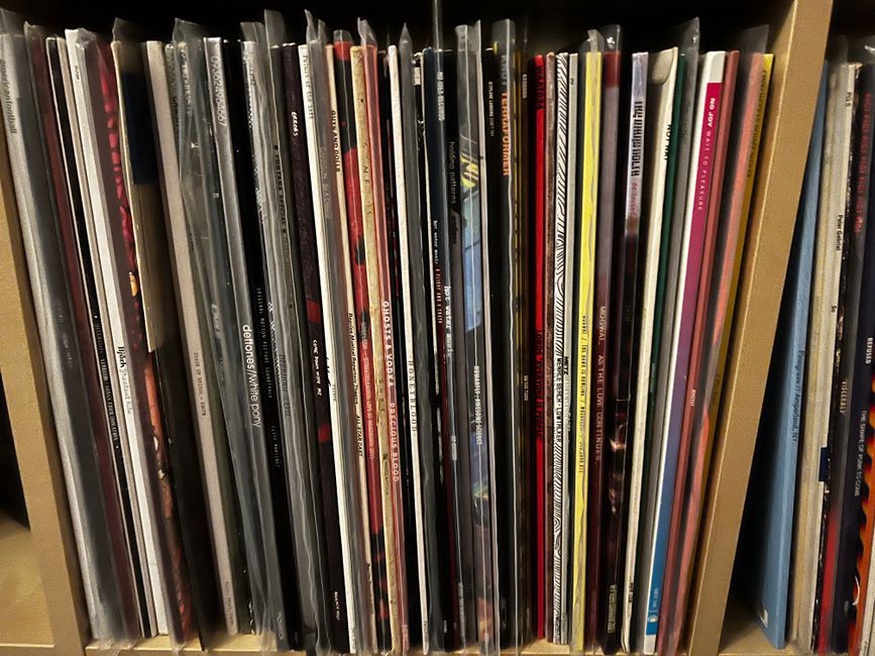
Finnish thrash metal is known for its melodic yet aggressive guitar work, rapid drumming, and powerful vocals. Bands like Lost Society and Ranger exemplify this sound, often addressing themes of societal issues and personal struggles. For a closer look at the vocal techniques defining this genre, see The Voices Defining Finnish Thrash Metal.
Legacy and Impact: 2010s and Beyond
By the 2010s, Finnish thrash metal had secured a significant place in the global metal scene. The persistence of independent labels and fanzines played a crucial role in its continued growth. Many bands continued to release albums and tour extensively, bringing their sound to audiences worldwide. An in-depth look at the historical context of this movement can be found in Exploring Finland's Thrash Metal Legacy.
Festivals and Community Engagement
Finnish thrash metal festivals, such as SaariHelvetti and Nummirock, have become cultural landmarks, attracting fans from across Europe. These events celebrate music while fostering a strong community spirit and collaboration among artists. The thriving festival culture underscores the enduring appeal and cultural significance of thrash metal in Finland.
The evolution of Finnish thrash metal bands highlights the genre's resilience and creativity. From underground beginnings to international recognition, these bands have consistently pushed the boundaries of thrash, leaving a lasting impact on both the Finnish and global metal scenes.