
Start with the busiest evening. If you have only 20 minutes between getting home on Wednesday and sitting down to eat, save the several-pan recipe for another night. Put a quick dinner there, or eat something you made earlier. A weekly meal plan should fit the time and energy you have, not the seven dishes you wish you had time to cook.
The routine can stay small: check the calendar and kitchen, choose a few meals, make a shopping list, then do one or two things that will help later. You don't have to decide every breakfast, lunch, and dinner. For many households, planning dinners and keeping a few dependable options for other meals is enough.
Start with the week you have
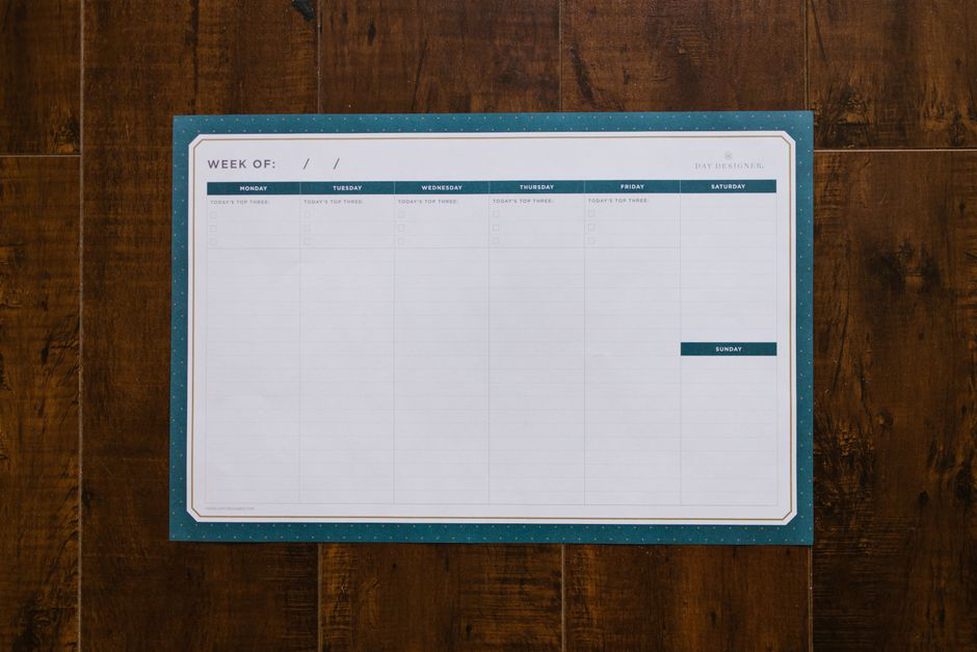
Pick a planning time you can repeat, preferably before your usual grocery trip, and set aside about 15 minutes. Look at work hours, appointments, shared meals, and evenings when someone will be out. Mark the nights that call for a fast dinner and the ones when you'll have time to cook. If plans often change, leave an evening open.
Count the meals you'll actually eat at home before choosing recipes. Two dinners out, a leftover night, and Friday takeaway leave fewer slots to fill than a seven-day calendar suggests. Check whether lunches will come from dinner leftovers or need their own ingredients. Note dietary needs and how many people will be eating, especially if that changes during the week.
Then check the fridge, freezer, and cupboard. Start with food that needs using soon: opened yogurt, leafy vegetables, cooked grains, or meat thawing in the fridge. See what else you have—perhaps rice, canned tomatoes, eggs, or frozen vegetables. Give perishables a place in the plan before adding more to the shopping list.
Choose meals by role, not just by recipe
Give each dinner a job. Pick one or two you feel like cooking, a fast option for a demanding night, and something that uses leftovers or flexible ingredients. There's no reason to avoid familiar dishes: you already know roughly how long they take and how much food they make.
Keep a short list of reliable meals
Write down eight to twelve dinners your household already eats, with an approximate cooking time and any ingredient you don't usually keep on hand. Your list might include pasta with vegetables and beans, rice with eggs and frozen peas, roasted vegetables with chicken or chickpeas, soup, or baked potatoes with toppings. Those are examples, not a set menu. Use meals that suit your equipment, budget, and tastes.
Look for ingredients that can work in more than one meal without making every dinner feel the same. If one recipe uses half a cabbage, find a use for the rest. Rice cooked for a stir-fry could accompany dinner later in the week. Don't spread a short-lived ingredient across meals too far apart; use it early or freeze a suitable portion.
Give leftovers a destination
Decide where extra food will go before you cook it. Another serving of chili might be tomorrow's lunch; roasted vegetables could fill an omelet; cooked chicken could go into a later meal. If a dish makes four servings and two people are eating, assign the other two to lunches or freeze them. Otherwise, leftovers can become one more thing to keep track of.
Be honest about appetites, too. If leftovers tend to sit untouched, cook less or freeze portions promptly rather than scheduling the same dish for several days running. Refrigerate cooked food promptly in suitable containers, and follow food-safety guidance for storage and reheating. A dish doesn't stay safe in the fridge indefinitely just because you've written it on next week's calendar.
Turn the menu into a useful shopping list
Once you've chosen the meals, go through each recipe—or the ingredient list you keep in your head. Write down the amounts needed and subtract what you already have. Check the basics instead of assuming they're there: oil, spices, milk, eggs, bread, and freezer staples are easy to miss. Group the list by produce, proteins, dairy or alternatives, dry goods, and frozen foods so it's easier to shop from.
Think about package sizes. If a dish calls for two tablespoons of a specialty ingredient sold only in a large jar, ask yourself whether you'll use the rest. Something already in the cupboard may work instead. Buy produce for the meals and snacks you're likely to eat, rather than every snack you might fancy.
If your budget allows, keep a few backup foods on hand: pasta, canned beans, eggs, frozen vegetables, or another combination you know how to make into dinner. They aren't extra meals you have to fit into the week. They're there for a late return home, a missed shopping trip, or a recipe that falls through.
Prepare only what will remove friction
Meal prep doesn't have to mean cooking everything on Sunday. Twenty minutes washing greens, mixing a sauce, or portioning snacks may help more than assembling several complete meals. Think about the nights that will be hardest, then prep for those.
- Prep an ingredient: chop sturdy vegetables, cook grains, or wash produce you'll use soon.
- Prep a component: make a dressing, bean filling, or soup base for more than one meal.
- Prep a full meal: cook and store a dish for a day when you'll have little time.
Choose tasks with storage in mind. Delicate salad greens may deteriorate once washed; cut vegetables need appropriate refrigeration. Use separate utensils and surfaces for raw meat and ready-to-eat foods. When batch-cooking, cool and store food safely rather than leaving a large pot at room temperature for hours. Label freezer portions with the dish and date so you can tell what's in them later.
Put the plan somewhere visible, but keep it movable
A note on the fridge, a shared phone note, or a paper calendar will do. Beside each meal, jot down anything that needs to happen first: thaw a frozen portion safely in the fridge, soak beans if that's how you cook them, or pick up fresh bread on the way home. Keep the shopping list in the same place so you can add missing ingredients as you notice them.
Treat the days as suggestions, not fixed appointments. If Thursday's meeting moves to Tuesday, move the quick dinner to Tuesday as well. Use the most perishable ingredients first, leaving pantry and frozen foods for later. That gives you room to change course without wasting what you've bought.
For example, a five-evening plan could look like this:
| Day | Dinner | Reason for the choice |
|---|---|---|
| Monday | Pasta with spinach and white beans | Uses fresh greens early |
| Tuesday | Leftover pasta with a side salad | Little time to cook |
| Wednesday | Roasted vegetables with eggs or chickpeas | More time available |
| Thursday | Rice bowls with remaining roasted vegetables | Uses a prepared component |
| Friday | Unassigned | Allows for changed plans or freezer food |
That's five evenings, not an entire diet. Breakfast could rotate among a few foods you keep stocked, and lunch might come from leftovers. If lunches regularly need their own plan, add them once the dinner routine feels manageable.
Adjust the routine after one week
Before writing the next shopping list, take two minutes to see what actually happened. Which dinner took longer than expected? What went unused? Did a recipe make enough for lunch, or was the serving estimate optimistic? Make small changes: drop a dish nobody wanted again, move a delicate ingredient earlier, or buy less of something that spoiled.
Notice whether your shopping schedule suits the way you eat. One weekly trip can work with frozen foods, sturdy produce, and pantry staples. Another household may waste less food by making a short midweek stop for fresh ingredients. The better schedule is the one that cuts down on forgotten food and last-minute trips.
If the whole routine feels like too much, scale back next week. Choose three dinners, set aside one night for leftovers, and leave the others open. Put a star beside the ingredient that needs using first. When it's time to cook, you'll know where to start.