A reusable lunch box is no help if it leaks in your bag or sits unwashed until the next workday. A kitchen swap has to fit the routine around it: packing, carrying, cleaning, and putting it away. Before buying anything, look at which disposables you reach for most and what happens just before and after you use them.
Start with the job, not the product
For a week, jot down what you throw away: food bags, cling film, paper towels, takeaway containers, coffee filters, or drink bottles. Note what each one did. Did that bag carry a sandwich, protect food in the freezer, or stop chopped onions scenting the fridge? Each job may need a different replacement.
Think about the space you have, too. A shared office fridge might call for a compact, clearly labeled container. A small kitchen may hold a few nesting boxes but not a drawer full of jars. And someone who cooks a few nights a week may need fewer storage pieces than someone packing two lunches every day.
Try replacing one disposable you use often rather than everything at once. The mugs, jars, plates, and washable cloths you already own count. There is no need to buy a specialized version of something that works.
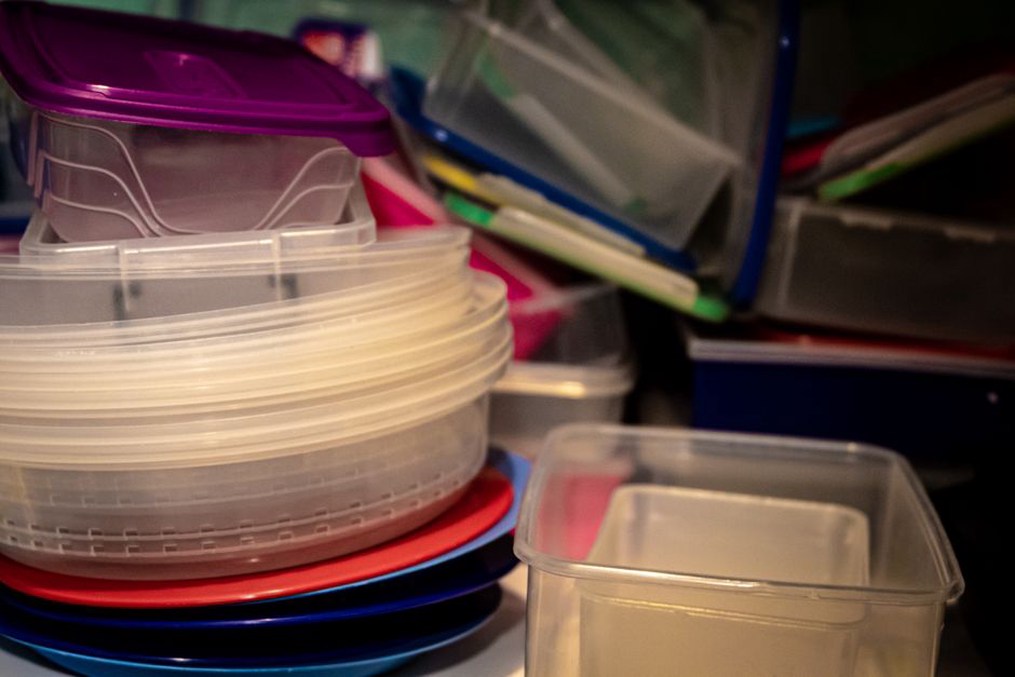
Match materials to how you handle food
Weight, visibility, heat tolerance, and ease of cleaning all matter. No material suits every meal or household.
- Glass makes leftovers easy to see and generally resists food odors. It is heavy and can break, so it may be better for the fridge than a bag carried on foot. Check the specific container's freezer, microwave, and oven ratings; the lid may have different limits from the base.
- Stainless steel is sturdy and relatively light. It works for lunches, dry goods, and bottles, though opaque sides make forgotten leftovers harder to spot. Ordinary stainless-steel containers cannot go in the microwave.
- Reusable plastic is light and less likely to break if dropped. Choose containers intended for food contact and follow their temperature limits. Replace pieces with deep scratches, cracks, persistent odors, or warped rims that no longer seal.
- Silicone makes flexible bags, lids, and baking tools easier to pack. A full bag can be awkward to carry, though, and a soft lid may shift. Check the seals and follow the product's cleaning instructions.
- Cloth works for napkins, dish towels, and some produce bags. It also needs a washing and drying routine, especially after raw-food juices or heavy spills.
For food storage, read the maker's instructions rather than relying on the material name alone. A glass base may tolerate heat while its plastic lid cannot. Leave room for liquids to expand in freezer-safe containers. Follow safe food-handling guidance when cooling hot food, and refrigerate perishables promptly.
Check the details that determine daily use
Containers and lids
Choose sizes that match the portions you store. A large box takes up space around half a sandwich; a tiny one invites overfilling and leaks. Try fastening the lid with clean, dry hands. Clips, screw tops, and press-fit lids each have their merits, but a seal that takes several attempts may stay in the cupboard on rushed mornings.
For soups and sauces, a lid that covers food in the fridge is not necessarily one that will keep it in the container during a commute. Carry liquids upright unless the maker explicitly rates the container as leakproof. Matching shapes can make storage easier, provided you can tell the lids apart. Sometimes a labeled bin for lids helps more than another set of boxes.
Wraps, bags, and covers
A rigid box or a plate over a bowl can take the place of cling film for many fridge jobs. Stretch lids are useful if they fit your bowls, so measure the rims first. Reusable bags can hold snacks or freezer portions, but their closures must be secure and the insides need to wash and dry fully. Narrow corners are particularly tiresome after oily or sticky foods.
Wax-coated wraps can cover some cool foods and containers, but they cannot replace plastic wrap in every situation. Follow the care instructions, keep them away from heat that could damage the coating, and do not assume they are suitable for raw meat. A container with a dependable lid is often simpler to clean.
Cloths and towels
Keep cloths for different jobs. A small washable cloth may be enough for everyday counter wiping; an absorbent towel is better for dishes. Set aside a supply for messy cleaning and a place for used cloths. Spread a damp cloth out to dry before laundering when practical rather than leaving it in a heap. After handling raw meat or other potential contaminants, use appropriate cleaning and sanitizing practices.
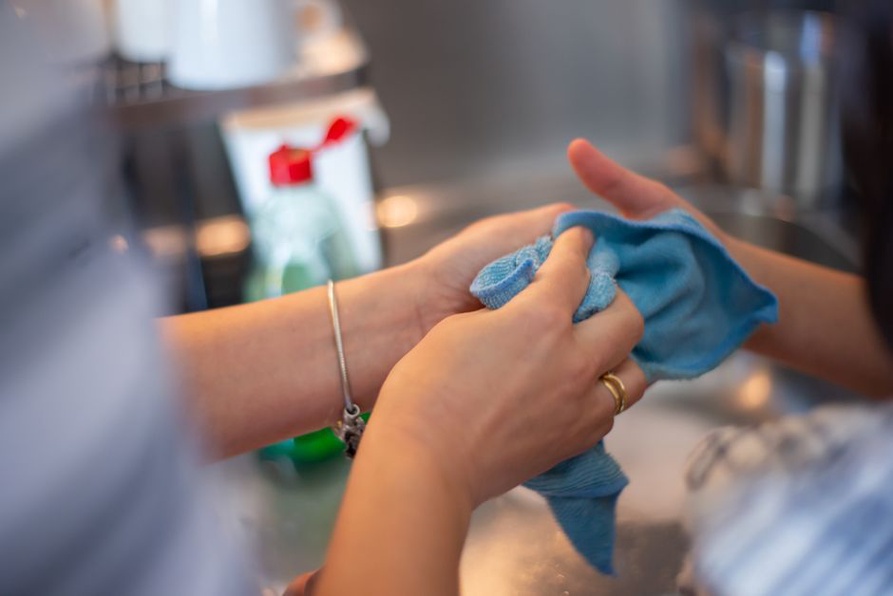
Account for cleaning, storage, and replacement parts
The price tag is only part of the cost. Think about the time and space an item needs between uses. Can a sponge or brush reach every inner surface? Can you remove the gasket, clean it, and put it back properly? Will a bottle dry before you need it again? If you wash by hand, a wide mouth and a simple lid may serve you better than an elaborate design.
Dishwasher-safe claims apply to specific products. Small parts may need a rack or a spot on the top shelf, while heat can shorten the life of some lids and seals. If dishwasher use matters to you, check the care instructions before buying. Find out whether worn seals are sold separately, too; otherwise, a small failure could put the whole container out of use.
Measure the shelf or drawer where a new item will live, with room for its lid. Nesting saves space only if you can get to the size you want without dismantling the stack. For anything you carry, consider its weight when full and whether it fits your usual bag, bicycle basket, or car cup holder.
Use a small trial instead of a complete overhaul
Choose one disposable you often throw away and try a replacement for two weeks. Put it where you used to keep the disposable: a clean cloth beside the sink, perhaps, or an empty lunch box near the shelf where you make breakfast. Where you keep it can determine whether you use it.
- Define the use: Name the food or task, how often it comes up, and whether the item stays home or travels.
- Check the handoff: Decide where it goes after use and before washing. If your lunch box regularly gets home after dinner, you may need a second one.
- Test the awkward moments: Pack a typical portion, wash the item as you normally would, and check whether it dries and stores easily.
- Keep or adjust: If it does not work for that job, try a plate, jar, or differently shaped container you already have before buying a larger set.
Reusable does not automatically mean lower-impact in every situation. Materials and manufacturing vary, and washing takes water and energy. An item makes more sense when it meets a real need, gets used repeatedly, and stays in service. Keep sound containers rather than replacing them just for a matching set.
If Monday is your leftovers-for-lunch day, try filling one leak-resistant container on Sunday night. Leave its clean lid beside it, not buried in a drawer. After two Mondays, you should have a good sense of whether the size, seal, and washing routine work for that meal.