A cushion left against a damp chair frame can keep both surfaces wet long after the patio dries. Take cushions off before cleaning, and let them and the frames dry completely before putting them back or adding covers. That small habit can spare you a bigger cleaning job later.
Each season brings a different nuisance: spring pollen and lingering damp, summer sun and spills, autumn leaves, and condensation under winter covers. Use this checklist for a mixed set of chairs, tables, and cushions, adjusting it to your weather and each item’s care instructions.
Before the seasons change: identify the materials
Look for a care label or manufacturer instructions before choosing a cleaner or applying a finish. Painted metal, powder-coated aluminum, teak, plastic, wicker, and outdoor fabric cannot all be treated alike. If you are unsure what something is made of, start with water and a soft cloth, and test a small hidden area before trying a stronger cleaner or stiff brush.
Keep mild soap, a bucket, clean cloths, and a soft brush nearby. Rinse off soap where appropriate, then dry joints, seams, and the undersides of tabletops. Skip the pressure washer unless the manufacturer explicitly allows it: forceful water can lift finishes, loosen woven sections, and push moisture into joints.
Spring: uncover, inspect, and clean
Pick a dry day to remove winter covers. Brush off loose debris before washing so grit does not scratch the finish. Check anything kept in a shed or garage for dampness and pests before carrying it outside.
- Inspect the structure. Tighten loose fasteners, make sure folding parts lock securely, and test chairs for wobble. Replace damaged feet or glides that leave leg ends exposed to standing water.
- Look for finish damage. Check painted metal for chips and rust, wood for splinters or soft patches, and woven furniture for broken strands. Small defects are easier to deal with before regular use makes them worse.
- Wash frames gently. Use mild soapy water and a soft brush or cloth, then rinse and dry thoroughly. Pay attention to joints and the undersides of armrests, where dirt tends to collect.
- Refresh fabrics. Brush or vacuum cushions first, then follow their labels for spot cleaning or washing. Let them dry fully before replacing them. Water-resistant fabric can still develop mildew if stored damp.
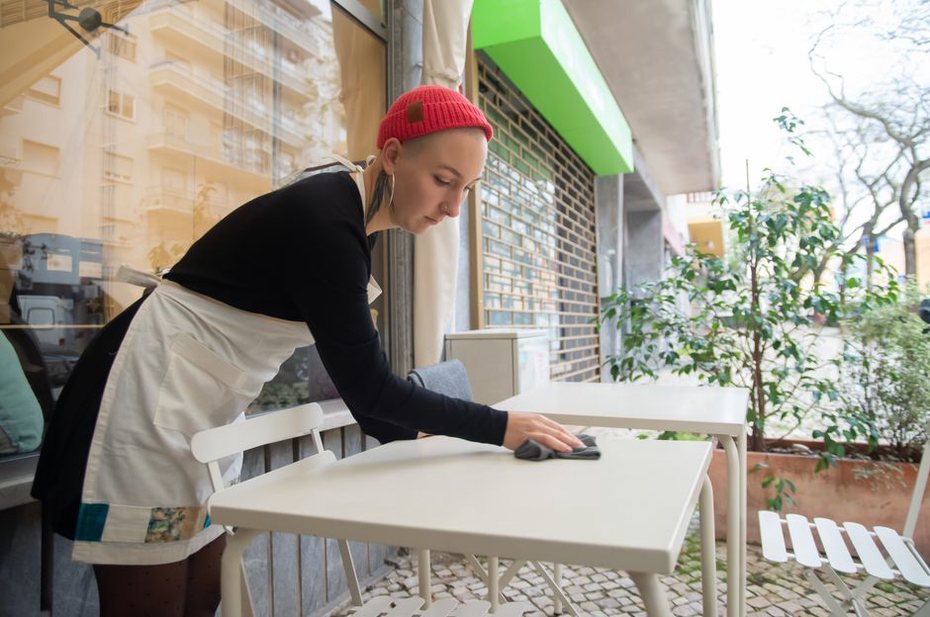
Check finishes before adding a new coat
Clean wood does not necessarily need oil or sealant. Some hardwood furniture is meant to weather to a silvery gray; adding a finish changes its appearance and commits you to maintaining that finish. If treatment is appropriate, let the wood dry, follow the product directions, and test an inconspicuous spot. On chipped metal, remove loose material and use a compatible repair product on exposed areas before corrosion spreads. Never paint over active rust or a wet surface.
Summer: manage sun, spills, and standing water
When the furniture is in regular use, quick checks do more good than repeated deep cleans. Wipe up food and drink spills promptly, especially on cushions and porous wood. Brush away pollen, grit, and bird droppings before they become harder to remove. Choose a cleaner for the surface in front of you; one that suits a particular chair may not suit the whole set.
- After rain: tip chairs or move them briefly if water pools on the seats. Stand cushions on edge somewhere ventilated so both sides can dry.
- Every few weeks: check fasteners, feet, fabric seams, and edges that see a lot of contact. Test any table or chair that seems to wobble on level ground.
- During prolonged sun: provide shade where practical and rotate movable cushions to reduce uneven fading. Do not cover damp furniture, even if more rain is forecast.
- After windy weather: clear leaves from woven surfaces and check whether lightweight pieces have struck walls or one another.
Outdoor cushion fabric is often water-repellent, but the filling is not necessarily waterproof. If rain soaks through, remove zippered covers only if the care instructions allow it, and give the inserts time to dry. A cover put back over a damp insert can trap moisture even when the outside feels dry.
Keep furniture off persistently wet ground
Chair legs left in puddles can deteriorate faster, particularly if their protective caps are missing. Move furniture away from gutter outlets and low spots. On a deck, leave room to clear debris underneath; on soil or grass, use a stable, well-drained surface so legs do not sink. Make sure feet and pads are secure and will not scratch the surface below.
Autumn: clean before covering or storing
Fallen leaves hold moisture against frames and tabletops. Clear them regularly, including from gaps beneath slats and around woven seats. Choose a dry spell for the end-of-season wash so everything has time to dry before it is covered or brought indoors.
- Brush away leaves and loose soil, then wash each piece as its material allows.
- Rinse or wipe away cleaner residue. Give joints, fabric seams, and undersides time to dry.
- Check for loose screws, rust spots, cracked plastic, damaged wicker, and fraying cushion covers.
- Make minor repairs while the damage is easy to see. Set unsafe chairs aside rather than storing them for another season of use.
- Clean and dry covers separately before folding them. Label cushion bags if several sets look alike.

Do not stack pieces just because they fit together. Stacking can scrape finishes or put weight on arms and woven panels that were not made to bear it. If the manufacturer says the furniture is stackable, clean the contact points first and do not force the stack. Leave some airflow around anything kept under a protective cover.
Winter: choose protection without trapping moisture
A dry, ventilated indoor space is useful for cushions and vulnerable pieces, but an unheated shed is not necessarily dry. Keep furniture off damp floors and away from leaks. Do not pile heavy boxes on cushions; prolonged compression can distort the filling. Secure folding furniture so it cannot fall when someone moves nearby items.
If frames stay outside, use covers sized for them instead of wrapping them tightly in plastic. Fasten covers against wind while allowing condensation to escape, as the cover design permits. Take a look underneath after storms or temperature swings. Empty any water pooled on top, and refit a shifted cover before rain gets in.
Before freezing weather, check pieces that can hold water. Empty compartments or hollow features designed for drainage, and make sure drainage openings are clear. If it can wait, avoid moving brittle plastic furniture in severe cold; some plastics are more easily damaged by an impact at low temperatures. For heavy tables with glass tops, follow the manufacturer’s storage guidance rather than assuming the glass and frame need the same protection.
Material-specific checks at a glance
- Wood: clear debris from joints, watch for splinters and soft spots, and apply a finish only if it suits the species and existing coating.
- Metal: dry seams and fastener points, and repair chipped coatings before rust spreads. Aluminum does not rust like steel, but its finish can still be damaged.
- Plastic and resin: use nonabrasive cleaning tools and look for cracks, particularly around legs and seat supports.
- Wicker and woven furniture: brush dirt from the weave, avoid forceful spraying, and check strands and attachment points for breaks.
- Fabric: follow the care label, dry inserts as well as covers, and store cushions only when fully dry.
When it is time to bring the set out again, start with one chair. Uncover it, check the feet and fasteners, and set it on level ground to test the seat. Once it is clean, dry, and steady, work through the remaining pieces the same way.