
That spare pair of trousers may take up more room than everything else you need for a Saturday night away. Before it goes in the bag, ask when you would wear it. If the answer is just “in case,” will the trousers you’re travelling in do the job? Packing light begins with the plans, not with trying to squeeze a finished pile into a smaller case.
For a typical two-night weekend, take what you expect to use, with a little room for likely snags: dry socks if rain is forecast, for example, or enough prescribed medication to cover a delay. You don’t need a backup version of every outfit.
Make a short itinerary before making a packing list
Write down the plans that affect what you’ll wear or carry: travel, a long walk, dinner, a concert, an outdoor event, or a swim. Will you have a private room, share accommodation, or need to keep your bag with you until check-in? Those details tell you more than the number of hours you’ll be away.
Check the forecast close to departure, especially the temperature when you’ll be outside and the chance of rain. A dry afternoon followed by a cold trip home calls for a different layer. For an outdoor gig or festival, think about wet ground, wind, and the time you might spend carrying your bag through the entrance queue. A specific forecast is more useful than calling it “summer” and hoping for the best.
Make a line for each part of the trip rather than planning a new outfit for every day. The trousers and shoes you wear on a Friday evening train might also work for a Saturday museum visit; a muddy campsite and a formal dinner are another matter. Mark the plans that really need a change, then pack around those exceptions.
Choose the bag after checking your travel constraints
A bag that’s fine in a car can be a nuisance on a crowded train or over uneven streets. Choose one you can comfortably carry for the longest stretch between transport and accommodation. If you’re flying, check your carrier’s current cabin-bag dimensions and allowance first. A soft-sided bag still has to fit the size limit. Keep identification, tickets, medication, and anything else you’ll need in transit within reach.
You don’t have to fill the bag. A little spare room lets you pull out a jacket, separate a damp item, or carry home a small purchase without repacking on the floor. If you already own a suitable bag, try packing it before buying organizers or another case. Fewer items will do more for you than extra packing equipment.
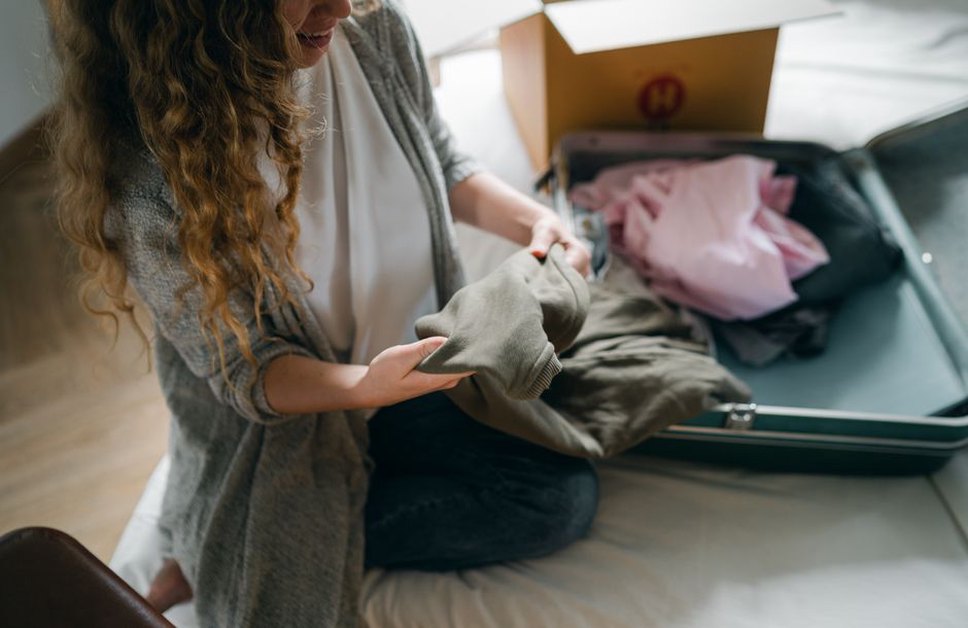
Build a clothing plan, not a stack of outfits
Begin with what you’ll wear in transit: perhaps comfortable shoes, versatile trousers, a top, and the outer layer the weather calls for. Bulky items usually take less bag space when you wear them, but only if they’re comfortable for the trip. There’s no benefit in wearing a heavy coat on a warm train just to leave it out of your bag.
Pick tops and layers that work with the same bottoms and shoes. Neutral colours can help, but what matters is how your own clothes go together. A clean top may be enough of a change for the evening without another pair of trousers or another coat. Clothes that keep their shape through repeat wear are especially useful; our guide to choosing clothes that hold up to regular wear goes into that distinction.
A workable starting point for two nights
- Wear in transit: comfortable shoes, trousers or other suitable bottoms, a top, and the outer layer you expect to need.
- Pack: two changes of underwear and socks, one or two additional tops, and sleepwear if you use it.
- Add for a specific plan: whatever dinner, swimming, a strenuous walk, or a venue’s dress requirements call for.
- Account for weather: a light insulating layer or rain protection if the forecast and time outdoors warrant it.
Adjust that starting point to your habits. If you’ll sweat through a top on a long travel day, bring another; if you have laundry access, you may need less. You might wear a concert shirt bought at the merch table the next day, but don’t make a purchase your only clean-shirt plan.
Give duplicate items a reason to travel
Extra shoes are often the biggest decision. Bring them if your plans call for different footwear—say, one pair for a muddy outdoor site and another for an indoor event—or if wet shoes would stop you enjoying the rest of the trip. Otherwise, one comfortable pair saves a lot of space. A weekend of long walks or hours standing at a show is also a poor time to break in new shoes.
Give a second jacket, pair of jeans, or bag the same test: which plan or condition calls for it? “Rain is forecast, and this jacket is waterproof” is a reason. “I might change my mind” probably isn’t.
Separate essentials from conveniences
Some small things are hard to replace quickly, even with shops nearby. Put travel documents, payment methods, essential medication, glasses or contact-lens supplies, keys, and tickets at the top of your list. Check whether you’ll need booking details, travel passes, or event tickets offline. Phones run out of battery, so keep important addresses and reference numbers somewhere else you can access them.
Check health-related items separately rather than treating them as optional toiletries. Keep medication identifiable and accessible, and bring enough for the trip plus an appropriate allowance if a delay is plausible. Check the relevant transport and destination rules for liquids, medical supplies, and prescriptions. Saving a few centimetres of bag space isn’t worth leaving these behind.
For ordinary toiletries, think through what you actually use each morning and evening. A toothbrush, toothpaste, deodorant, and the skin or hair products you rely on make a sensible core. Your accommodation may supply soap or shampoo, but check before leaving behind anything you can’t comfortably do without. Small, clearly labelled containers can save space if they seal properly and meet your transport rules. Skip products the accommodation has confirmed it provides.
A phone, charging cable, and the right plug or adapter cover many short trips. Take a power bank if you’ll be away from an outlet all day, particularly at an outdoor event where you need your phone for tickets and directions. Charge it before leaving. If your devices can share a cable, there’s little reason to carry several.
Plan for weather without packing for every forecast
Pack for the weather problem you’re most likely to meet. On a rainy city weekend, a packable waterproof layer may be more useful than a second sweatshirt because it keeps the clothes underneath dry. If the problem is cold after sunset, take an insulating layer instead. At an outdoor show, dry socks may earn their place ahead of a whole extra daytime outfit.
Choose layers you can wear together. A base top, an insulating layer, and a weather-resistant outer layer cover more conditions than two bulky pieces that don’t fit over each other. Check what your outerwear actually does: a warm coat that soaks up rain won’t keep you dry, while a thin rain shell won’t do much to keep you warm as you wait for late transport.
A small reusable bag or empty laundry pouch will keep wet or dirty things apart from clean clothes. Don’t leave damp items sealed up longer than necessary; unpack and dry them at your accommodation or when you get home. That matters after muddy ground, a swim, or a crowded standing-room show.
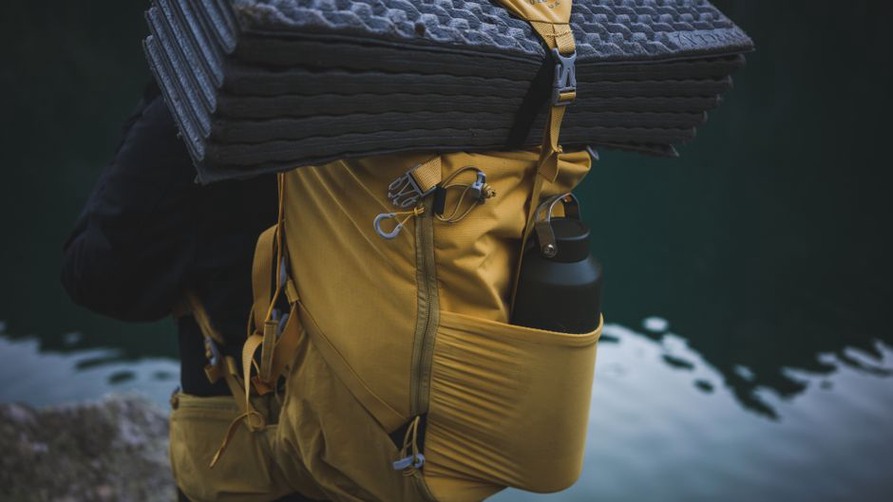
Pack for access as well as volume
Think about what you’ll need before you reach your room. You shouldn’t have to empty your bag in a station or entrance line to find identification, tickets, medication, water, or a weather layer. If you’re going straight from a train to an evening concert, put your earplugs and ticket where you can reach them without opening the clothes compartment. Check the venue’s bag policy beforehand: size restrictions or rules on particular items may apply, and there may be nowhere to leave a larger bag.
Fold or roll clothes—whichever makes them easiest to see and retrieve. Neither method makes an unnecessary item worth carrying. A small pouch for chargers and another for toiletries can stop loose objects gathering at the bottom, but several overfilled organizers can make the bag harder to close.
In a backpack, put heavier items close to your back and balance the load. Once it’s packed, carry it around the room or down the stairs. If it pulls on one shoulder or feels unpleasant after a few minutes, take another look while you can still put things away. A closing zip doesn’t tell you whether the bag will be comfortable on the way to your accommodation.
Use a quick review to catch omissions and excess
When you’re done packing, compare the contents with your itinerary instead of adding things out of habit. Lay out the clothes and name when you’ll wear each piece. A top with no job can probably stay home. Then do a separate essentials check: documents, payment, medication, tickets, keys, and charging equipment. That way, you won’t leave out a necessary charger while keeping a bulky second outfit.
Can you wear comfortable outer clothes again while changing the layers next to your skin? Does your accommodation provide towels or bedding? If you’re sharing a room, earplugs or sleepwear may deserve space, but because of that arrangement—not because they appear on every packing list.
For a Friday-to-Sunday train trip with a Saturday evening gig, you might wear jeans, boots, a T-shirt, and a jacket. The bag could hold two changes of underwear and socks, two tops, sleepwear, toiletries, medication, a charger, earplugs, and a rain layer if it’s forecast to be wet. Before zipping up, put the earplugs beside your ticket. You’ll want both at the venue door.