When the second wave of Finnish thrash metal began coalescing in the late 2000s, the visual landscape was predominantly male. Yet within a few short years, a quiet but persistent shift occurred, one documented not through press releases but through demo credits, festival lineups, and the unmistakable sound of women taking hold of microphones, guitars, bass, and drumsticks. This was not a scene that manufactured representation; it was a scene where participation grew organically, often through the same channels that defined the era: municipal youth centres, shared rehearsal spaces, and a network of small clubs willing to book unproven acts. The result was a period in which female musicians moved from being a rarity to a recognized, if still underrepresented, part of Finnish thrash’s identity.
To understand this progression, it helps to look at the structural conditions that made it possible. Finland’s music education system, particularly the network of publicly funded music institutes and the availability of affordable rehearsal rooms through municipal youth programmes, lowered the barrier to entry for all young musicians regardless of gender. A teenager in Tampere, Turku, or a smaller city like Lappeenranta could access drum kits, guitar amplifiers, and PA systems without needing private wealth or industry connections. This democratization of resources was crucial for the development of the broader thrash revival, and it proved equally significant for women who might otherwise have faced steeper practical hurdles in accessing heavy music’s infrastructure. The story of how classic thrash shaped Finland’s metal revival is deeply intertwined with these accessible spaces, which nurtured countless bands in their formative stages.
Vocalists at the Forefront
The most visible entry point for female musicians in Finnish thrash during this period was the vocalist position. Bands like Arion and Merging Flare featured women on lead vocals, bringing a different timbral range to a genre historically defined by aggressive male shouting and singing. These vocalists did not simply mimic the established male approach; they developed delivery styles that could shift from melodic clean passages to harsh, rasping aggression, often within a single track. This versatility became a hallmark of the Finnish approach, aligning with the broader national tendency to blend traditional heavy metal melodicism with thrash’s rhythmic intensity.
The presence of female vocalists also influenced lyrical perspectives. While Finnish thrash lyrics during this era often dealt with societal decay, war, and personal struggle—themes common across the genre—bands with women at the front sometimes introduced a more introspective angle. The lyrical content did not necessarily become overtly gendered, but the emotional register could expand, touching on alienation and resilience in ways that felt distinct from the more outwardly aggressive posturing of some male-fronted acts. This was not a universal rule, but a trend observable across demo recordings and independent releases from the early 2010s.
Instrumentalists and the Rarity of Full Integration
While vocalists gained a foothold relatively early, female instrumentalists in Finnish thrash remained a rarer phenomenon during the 2008–2015 window. The reasons were complex and not unique to Finland. Thrash metal’s technical demands—tight alternate picking, rapid downstrokes, precise double bass drumming—require years of dedicated practice, and the social environments that encouraged young women to pursue these specific instrumental paths were less developed than those for male peers. Still, exceptions emerged that proved significant.
One notable example was the bassist and backing vocalist role occupied by women in several bands from the Helsinki and Tampere regions. The bass guitar, often undervalued in broader rock discourse, became a space where female musicians could establish themselves without the same level of scrutiny faced by lead guitarists. In the context of Finnish thrash, where bass lines frequently carried melodic counterpoints beneath the guitar assault, this role was far from peripheral. The independent spirit of Finnish thrash in the 2010s meant that many bands self-released demos and EPs, and the credits on these recordings offer a reliable, if incomplete, record of women’s instrumental contributions. These releases, often limited to a few hundred CD-R copies, document a scene where skill mattered more than image, and where a bassist’s tight locking with the kick drum could earn respect regardless of gender.
Drummers and lead guitarists remained the most underrepresented positions. The physical demands of thrash drumming, combined with the genre’s historical coding of the drum throne as a masculine space, meant that female drummers were exceptionally rare in Finnish thrash during this period. When they did appear, it was often in bands that blended thrash with other extreme metal subgenres, where the stylistic boundaries were more fluid. The same pattern held for lead guitarists; while rhythm guitarists occasionally included women, the lead guitarist role—with its associated expectations of virtuosic soloing and technical showmanship—remained almost exclusively male in the Finnish thrash revival.

The Festival and Live Circuit
Finland’s festival ecosystem played a complex role in the visibility of female thrash musicians. Major events like Tuska Open Air and Jalometalli (later Nummirock) booked international headliners and drew large crowds, but their undercards often reflected the demographics of the domestic scene. Bands with female members appeared on these stages, though rarely in the prime evening slots. The more telling spaces were the smaller, specialized festivals and club shows that formed the backbone of the thrash underground.
Events like Puntala Rock in Lempäälä and the club nights organized by Helsinki’s metal community provided crucial platforms. At these gatherings, the audience’s focus was on the music’s authenticity and energy rather than on novelty. A band with a female vocalist or bassist was judged by the tightness of its riffing and the conviction of its performance, not by the gender of its members. This meritocratic ethos, while not eliminating all forms of bias, created an environment where women could build reputations through consistent live work. The European touring circuits that Finnish thrash bands began to access in the 2010s further normalized this presence, as Finnish acts shared bills with a diverse array of international groups and brought that exposure back home.
Recording, Documentation, and the Collector’s Lens
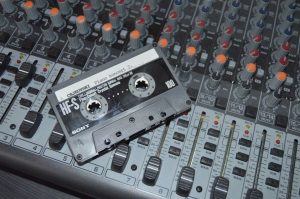
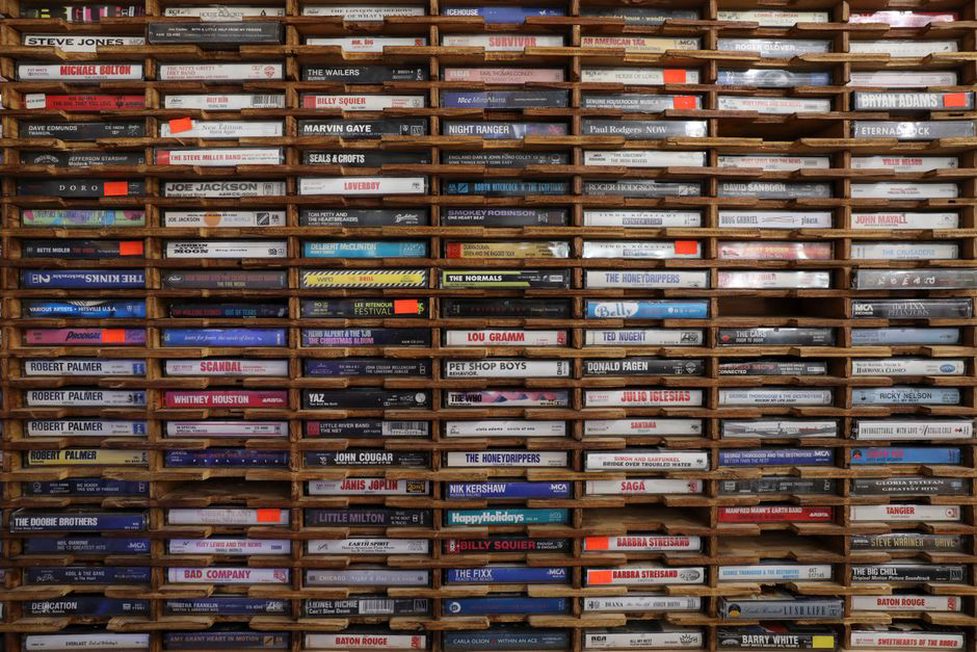
For collectors and historians of the Finnish thrash underground, the physical artifacts of this era tell a story that digital streams cannot fully capture. Demo tapes, CD-Rs, and the occasional vinyl pressing from bands with female members have become sought-after items, not because of any gimmick value but because they represent a specific moment in the scene’s development. The hand-numbered cassette release of a band like Axegressor, which featured a female bassist during part of its active years, or the early recordings of Arion before their shift toward a more power-metal-oriented sound, are prized for their musical content and their place in the timeline.
These physical releases often included detailed liner notes, thank-you lists, and contact information that provide a granular view of the community. The thank-you sections, in particular, reveal the interconnectedness of the scene: bands thanking other bands, sound engineers, rehearsal space managers, and the volunteers who ran small festivals. In these lists, the names of female musicians appear alongside their male peers, integrated into the same network of mutual support. This documentation counters any narrative that frames women’s participation as a separate or parallel phenomenon; the archival record shows integration, however incomplete, into the fabric of the scene.
Challenges and the Unspoken Barriers
A factual account of this period must acknowledge the barriers that persisted even as participation grew. The Finnish thrash scene, like many metal subcultures, operated within a broader cultural context where women in heavy music often faced skepticism about their technical abilities and commitment. Anecdotal evidence from the era, preserved in fanzine interviews and online forum discussions, suggests that female musicians sometimes had to prove themselves more thoroughly than male counterparts to gain the same level of acceptance. This was not a problem unique to Finland, but it shaped the experiences of the women who navigated the scene.
Additionally, the practical realities of touring—cramped vans, minimal privacy, and the physical toll of back-to-back shows—could present challenges that disproportionately affected women. The DIY nature of Finnish thrash’s European touring circuit meant that bands operated on shoestring budgets, and the lack of infrastructure could amplify any discomfort. Despite these obstacles, the women who participated in the scene during this period did so with a commitment that matched their male peers, and their contributions are preserved in the recordings and memories of those who were present.
The Legacy in Context
The rise of female artists in Finnish thrash metal during the late 2000s to mid-2010s was not a dramatic, headline-grabbing revolution. It was a gradual, uneven, and still-incomplete process of integration that reflected both the possibilities and the limitations of the subculture. The women who sang, played bass, and occasionally took up guitar or drums during this period did so within a scene that valued authenticity, technical skill, and a shared devotion to the sound of classic thrash metal. Their presence enriched the music, expanded the lyrical and emotional range of the genre, and laid groundwork for future generations.
For the collector, the historian, and the dedicated listener, the evidence is in the recordings. The demo from a Turku band with a female vocalist delivering a searing performance over razor-sharp riffs; the EP from a Helsinki act where the bassist’s melodic lines add depth to the thrash assault; the festival flyer listing a lineup where women’s names appear without fanfare, simply as members of the band. These artifacts document a scene in motion, one where the question of who could make thrash metal was being answered, slowly and imperfectly, by the music itself.