Most of the collaboration that drove Finnish thrash metal never made it onto a marquee. The creative engine of the late 2000s through the mid-2010s ran on shared rehearsal bunkers, split releases, and a steady churn of musicians drifting between bands inside the same small regional circles. In Tampere, Kuopio, and Helsinki, a single recording studio might host three or four projects in a month, with members stepping in to handle engineering, lay down backing vocals, or track a guitar lead the primary songwriter couldn't pull off. These exchanges rarely earned more than a line in the liner notes, but they were the connective tissue of a movement that was geographically isolated and stylistically tight.
Splits were the most visible vehicle for this. Labels like Violent Journey Records and Inverse Records paired younger bands with acts that had a bit more road behind them. A split EP or single wasn't just a way to split the pressing costs—it was a public endorsement. When Lost Society, still riding the momentum of Fast Loud Death, shared wax with a lesser-known group, it shoved an international audience toward a band that might otherwise have stayed stuck in local clubs. The format practically demanded a side-by-side listen: same city, same Bay Area template, but one band ripping toward the hardcore-punk velocity of early Slayer while the other chased the surgical precision of Forbidden or Heathen.
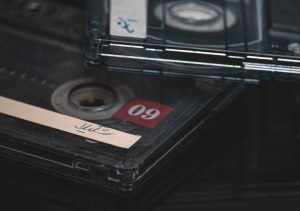
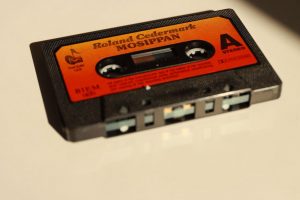
Festival stages created their own intersections. Before it went on hiatus, the annual Jalometalli event in Oulu pulled together musicians who had only ever traded MySpace messages or dubbed demo tapes. Backstage and at the after-parties, informal alliances took shape. A drummer from a Helsinki act might agree to track a session for a Jyväskylä band's next demo after discovering, somewhere around 3 a.m., that they both obsessed over the same obscure German thrash records. A handshake and a USB stick of pre-production files sealed the deal, and the results surfaced months later on limited-run cassettes sold at the next Steelfest Open Air.
The studio ecosystem was small enough that a handful of engineers became silent partners on dozens of releases. D-Studio in Klaukkala and Fantom Studio in Tampere weren't just service providers; they were hubs where engineers who understood thrash metal's sonic demands could shape the final product. An engineer who had worked on an Axegressor album knew exactly how much reverb decay a gang vocal needed to echo Bonded by Blood. When a newer band like Forced Kill walked into the same room, that accumulated knowledge moved straight into the microphone placement and mix bus processing. That continuity meant even bands with threadbare budgets could land a sound that sat comfortably next to their influences without sounding like a hollow imitation.
Live collaboration was less about on-stage guests and more about the logistical solidarity that kept the touring circuit breathing. Bands shared backline gear, van rentals, even drivers. Foreseen, whose crossover thrash pulled equally from the Cro-Mags and Nuclear Assault, might tour mainland Europe with a melodic thrash band from Turku simply because the two had built trust through repeated club shows in Helsinki. The shared vocabulary of tight riffing and relentless tempo meant a small club in Leipzig or a warehouse in Antwerp got a coherent night, even if the two acts sat in different corners of the thrash spectrum. That practical cooperation extended to the merch table, where a band would sell a split 7-inch or a patch for their touring partners without a second thought—the scene operated as a collective enterprise, not a marketplace.
Lyrical and thematic collaborations surfaced too, though less often than musical ones. A concept album might carry a guest lyric from another band's writer, someone who could bring a different angle on the dystopian or apocalyptic themes that dominated the genre. These contributions usually appeared under pseudonyms or got buried in the thank-you list, keeping the focus on the music. The visual side worked on similar principles. The hand-drawn, mostly black-and-white artwork that defined so many independent releases was often commissioned from illustrators inside the metal community. An artist who designed a logo for one band might create the cover for another's debut, threading a visual signature through multiple discographies. For a deeper look at how these visual elements came together, the exploration of Finnish Thrash Album Covers: Cold Apocalypse in Hand-Drawn Detail offers a closer examination of the aesthetic choices that defined the era.
One of the more interesting dynamics was the temporary side project. A guitarist from a band on hiatus would recruit a vocalist from an active group and a session drummer known for precise double-kick work, and they'd knock out a three-song demo that existed purely for the joy of making noise. These projects were never meant to tour or even produce a full album. The demo circulated on cassette or as a free download, and then everyone went back to their main commitments. But the recordings often crackled with a raw energy that more polished full-lengths lacked, precisely because the pressure was off. Collectors now hunt these ephemeral releases, recognizing them as snapshots of a moment when the boundaries between bands were porous and the only imperative was to make aggressive, honest music.
The international dimension grew as Finnish bands appeared more regularly on European festival bills. A shared slot at Germany's Thrash Assault Festival or the Czech Republic's Obscene Extreme could lead to a split release with a band from Sweden or the Netherlands. These cross-border projects were logistically messy—rehearsals were impossible, recording sessions had to be coordinated remotely—but they produced some of the most distinctive releases of the period. A Finnish band might record their side of a split with a Swedish group, each contributing a cover of the other's song alongside an original track. The result was a dialogue between two regional interpretations of thrash metal, highlighting the subtle differences in riff construction, vocal delivery, and production aesthetics that set the Finnish approach apart from its Scandinavian neighbors. The Independent Spirit of Finnish Thrash Metal in the 2010s can be explored further in the detailed look at how these releases found their way into the hands of dedicated listeners without major label backing.
Rehearsal spaces themselves functioned as laboratories. The municipal youth centers and shared bunkers that housed multiple bands under one roof made it inevitable that musicians would overhear each other's writing sessions. A riff one band discarded might get picked up and reworked by another, transformed by a different tempo, tuning, or arrangement. This organic cross-pollination was almost never documented, but its effects are audible in the subtle stylistic convergences within particular cities. Tampere's thrash output, for instance, often carried a slightly darker, more black metal-inflected edge compared to the punkier attack of Helsinki bands—a difference traceable in part to the specific clusters of musicians who shared practice rooms and rubbed off on each other's writing.
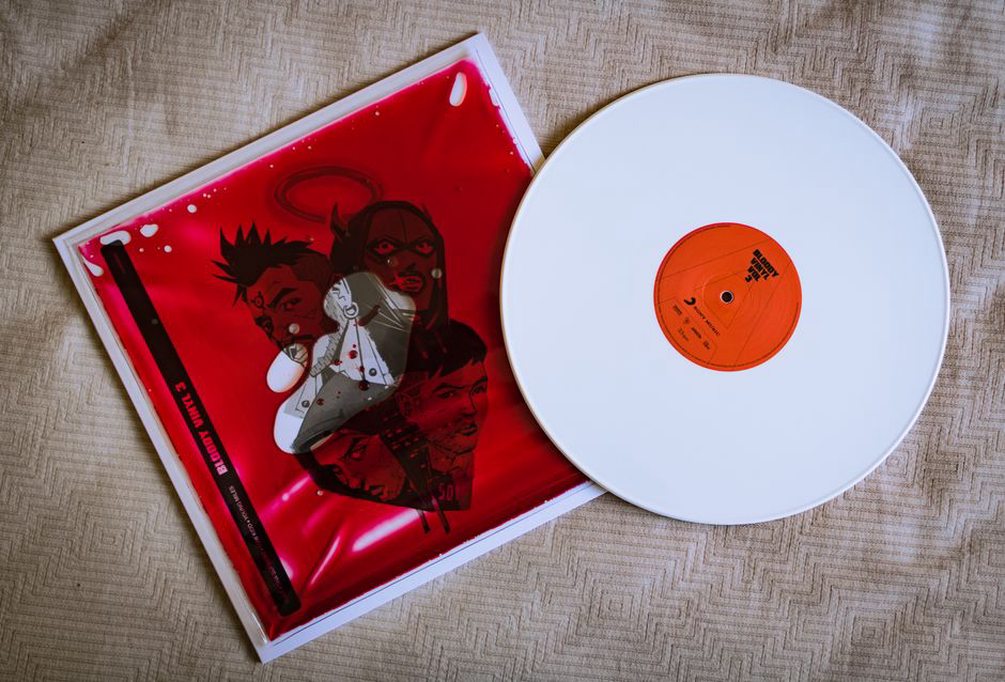
The legacy of these collaborations isn't always easy to piece together. Many of the splits, compilation appearances, and session contributions were documented only in the physical releases themselves—pressed in runs of 300 or 500 copies and distributed at shows or through small mailorder operations. The digital footprint is patchy at best. But for anyone willing to dig through the discographies, the connections are unmistakable. A familiar name in the credits of an obscure demo, a thank-you list that reads like a map of the Finnish underground, a recurring studio that stamped its sonic signature on a dozen albums—these details reveal a scene that ran not on competition but on a shared commitment to the craft. The collaborations were rarely planned or publicized, but they were essential, quietly keeping the music vital, varied, and unmistakably Finnish.