A cassette listing can name the band and release correctly and still leave a collector guessing. Without a format, label credit, or note on what has been verified, the entry may not make clear whether it describes the original tape or a later edition. For a small music archive, being easier to find starts with making its existing material easier to identify and trust.
A Finnish thrash-metal archive covering the late 2000s through the mid-2010s might hold recordings, flyers, firsthand notes, and correspondence, yet have only a few hours a month to publish them. It cannot maintain every channel. It needs a dependable home for its research, entries that people can find, and a practical way for readers to send corrections or return for updates.
Define what the archive can substantiate
Before changing the website or opening another social account, set out the archive’s scope: years, geography, formats, and the activity it documents. That might mean independently released Finnish thrash recordings, local shows, festival appearances, and European tours within a defined period. It need not claim to cover every band in the country.
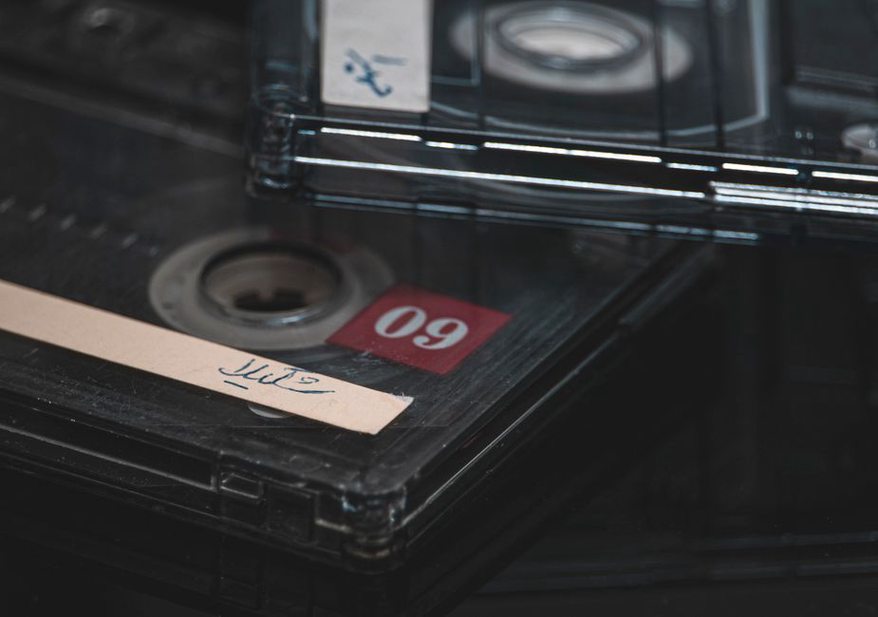
Clear boundaries help when evidence is uneven. A flyer shows that a concert was advertised, not that every listed act performed. A cassette photograph confirms what the object looks like, but may not establish its release date. A musician’s notes can provide valuable context while remaining an attributed recollection. Keeping those distinctions visible lets readers use an entry without taking an inference for a confirmed fact.
Keep a private record of claims likely to be disputed: the source, the date it was checked, and whether permission is needed before publication. Public entries can cite or describe a source without exposing private messages or contact details. A brief explanation of the archive’s scope and correction process is more credible than claiming to cover everything.
Make the website the stable point of reference
A social post may bring someone to a release; a stable entry gives them something to revisit and cite. Each band or release page needs a distinct title, a readable address, and enough identifying information to make sense on its own. For a physical release, include the credited artist, title, format, label or self-release status where known, a track listing if confirmed, and edition details kept clearly apart. Leave gaps visible rather than guessing to make the entries look uniform.
Organize the site around how people investigate a scene: bands, recordings, years, labels, and live activity. A few dozen entries do not require an elaborate taxonomy, but they do require consistent names. If a band’s name is spelled differently on a flyer and a release sleeve, retain the source wording where it matters and explain the relationship on the page.
Search results often show a title and short excerpt before anyone visits the site. Give important pages descriptive titles instead of repeating the archive name. A release entry should identify the artist and recording; a historical feature should name the event or subject. Keep descriptions faithful to the evidence rather than suggesting that a partial record settles the matter. The principles in How to Match Search Intent to a Music Archive Entry help distinguish a query calling for a discography fact from one calling for a longer account.
Technical checks protect access to the research. Test key pages on a phone, make menus usable without precise tapping, and check that enlarged text stays readable. Give scans descriptive alternative text that reports useful visible details without claiming to decipher illegible print. Compress large images, but retain a version readers can inspect closely. A broken page—or release credits trapped in an unreadable image—makes the underlying research much harder to use.
Publish entries that answer specific questions
“A vibrant underground scene” tells a collector less than a careful account of one release or documented show. Start with questions the evidence can answer. What format was issued? Which lineup is credited on the sleeve? How does a later edition differ from the first? What does a surviving flyer say about the bill? Specific questions give a page its purpose and keep thin sources from carrying too much weight.
An entry can be short and still be useful. First describe what appears on a sleeve; then explain what it might suggest, if the evidence supports that reading. For sound, discuss what can actually be heard—riff pacing, vocal delivery, production texture, or shifts between speed and mid-tempo passages—rather than letting a genre label do all the work. Attribute promotional claims and leave rumors about musicians out of it.
Let the research set the publication rhythm. One well-documented entry a month may serve collectors better than weekly posts built on incomplete dates and borrowed images. Keep a small queue: material ready to publish, material awaiting verification, and leads that cannot yet support a public claim. That way, regular posting does not depend on treating unfinished research as settled.
Use discovery channels without making them the archive
Pick a few channels where the intended readers already exchange information. Record collectors may be interested in edition comparisons; local scene participants may be able to clarify a show flyer. There is no need to copy the same post everywhere. Share one verifiable detail, say why it matters, and point readers to the full archive entry when it provides useful context.
A post comparing two cassette editions, for instance, could show a permitted image of their sleeve credits and state which difference has been confirmed. It should not call an edition rare without evidence or present an unverified year as fact. If rights to an image or recording are unclear, describe the object instead of uploading a copy. Link to authorized material where appropriate; do not distribute unauthorized recordings to draw attention.
Posts can bring in evidence as well as readers. Ask for specific corrections, such as a clearer scan of a credited lineup or documentation of a label variant, rather than a general call for memories. Tell contributors how their information might be used and whether they will be named. Seek permission before publishing private correspondence, personal photographs, or identifying details about people who did not expect an archival audience.
Give visitors a dependable way to return
Email updates suit readers who do not follow social feeds, as long as the commitment is clear. State how often they go out and whether they cover new entries, substantial corrections, or newly documented material. Do not promise constant news from a modest archive. If regular mailings are beyond the project’s capacity, a dated updates page is easier to maintain and more honest.
Make the contact route useful for corrections. A form or email address can ask for the entry in question, the proposed change, and its supporting source. Explain that submissions may require verification and that sending material does not automatically grant permission to publish it. Sensitive corrections need a private route, so someone can flag an error without putting an allegation or personal detail in a public comment.
If the project offers research assistance or help identifying releases, keep those offers separate from historical entries. Readers should know whether a page presents archive research, invites a contribution, or describes a paid service. A release description should not feel like an advertisement.
Measure whether people can use the work
Traffic alone says little about an archive’s value. A page on an obscure self-released tape might attract few visitors while resolving exactly the question a collector needed answered. More telling signs include readers arriving at a release entry through search, moving from a band page to its discography, sending a sourced correction, or returning after an update. Look over several months rather than judging a quiet week.
Measuring use need not mean collecting unnecessary personal data. Choose privacy-conscious settings where possible, retain only what you need to understand the site, and explain what information forms or mailing lists keep. Test the site without analytics, too: follow the menus as a first-time visitor, open an entry on a slow mobile connection, and see whether its source note makes sense without specialist knowledge.
The next improvement may be editorial rather than technical. If readers keep asking whether a release came out on cassette, verify the answer and add a clear format line. If two pages give different dates for the same documented event, reconcile them or mark the uncertainty. A correction log on the affected entries lets later readers see what changed and why.
Set a maintenance routine that fits a small team
Old information can remain prominent long after anyone last checked it. Periodically review core pages: make sure navigation works, image permissions are documented, contact details are current, and unresolved claims still carry their qualifications. Back up entry text, source notes, and essential media metadata. Someone besides the site’s creator should be able to restore that backup.
Put reader-facing errors first. Correct a wrong credit before redesigning a banner; repair a broken release page before making another promotional graphic. With limited time, the ten most-visited or most-referenced entries offer a manageable starting point for checking both facts and functionality.
For the next maintenance session, choose one release entry and open it on a phone. Check that the title identifies the recording, the format is stated, image descriptions are usable, and uncertain dates are visibly qualified. Then send a test message to the correction contact listed on that page, with the entry title in the subject line.