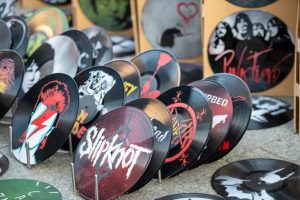
A late-night specialist programme could put a Finnish thrash band in front of listeners well beyond the people who had caught it in a rehearsal room or small club. In the late 2000s and early 2010s, a radio play was rarely a route to mass recognition. Its value was more immediate: it showed that a demo, EP, or album had reached an attentive local audience and gave listeners a reason to look for a show, visit a record shop, or stop by the band’s own sales table.
Finnish radio was not a single gatekeeper. National public broadcasting, commercial stations, student outlets, community programming, and online streams served different audiences and worked to different remits. Thrash metal generally sat outside daytime playlists, yet radio still mattered. Dedicated rock and metal shows, evening broadcasts, request slots, interviews, and local cultural coverage could connect a scattered underground in ways that flyers and venue networks alone could not.
Specialist airtime rather than mainstream rotation
Classic-minded thrash relied on density, speed, and detail: tightly muted riffs, sudden rhythmic shifts, pointed lead work, and vocals that might be shouted, barked, or sharply melodic. Those qualities did not always suit formats built around concise, familiar songs. A three-minute single was easier to schedule than a long, restless track that opened at full force. Local radio mattered less for repeated rotation than for editorial spaces where presenters could introduce a release and play it without forcing it into a pop framework.
Specialist presenters were often informed listeners before anything else. They could place a young Finnish act alongside national reference points such as Stone or National Napalm Syndicate, while recognising the wider thrash tradition behind the revival. That context helped separate a band seriously working with 1980s techniques from one borrowing only the visual cues. A presenter familiar with the local circuit could also notice what a general music desk might overlook: a self-financed recording, a new cassette run, an upcoming support slot, or a guitarist whose phrasing gave the group a distinct voice.
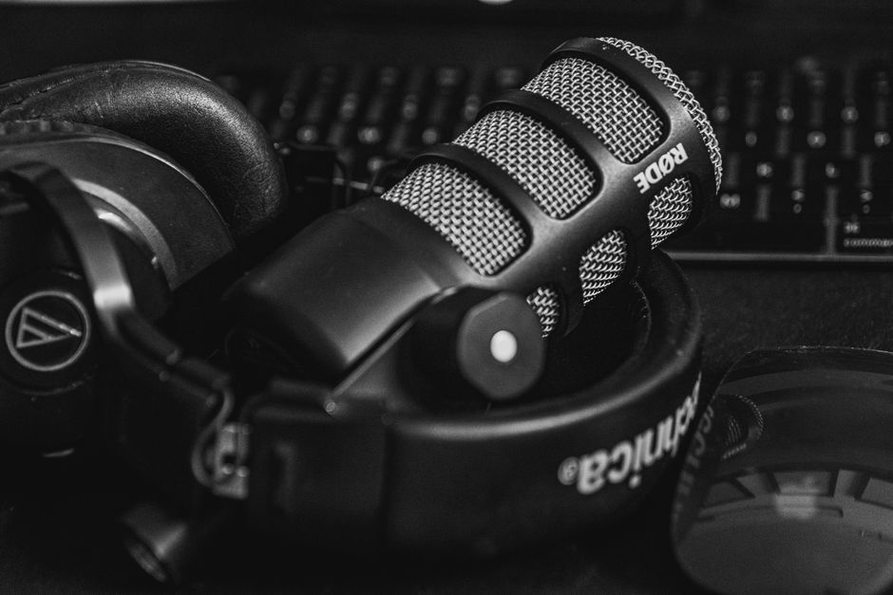
Why a single play could matter
For independent bands, airplay was part of a chain rather than an end point. A broadcast could bring listeners to a concert; a concert could lead to merchandise or a physical release; those sales might help pay for the next recording. This mattered in a scene where small vinyl runs, CDs, and cassettes held cultural value as well as practical financial value. Radio did not replace direct sales or labels, but it made a release easier to recognise beyond the band’s immediate circle.
- Discovery: listeners could hear local acts alongside music they already trusted.
- Validation: selection by a named presenter suggested that a recording had received serious attention.
- Geographic reach: broadcasts could reach towns without regular thrash bills or specialist record shops.
- Event awareness: brief announcements could support club dates, festivals, benefit events, and release shows.
- Documentation: playlists, interviews, and station archives can preserve traces of a release cycle after social-media posts disappear.
Radio as a local information network
Finland’s metal audience was spread across larger cities and smaller local scenes, while underground touring budgets were limited. A band might be familiar to regulars in one venue network and unknown a few hours away. Radio narrowed that distance. It could not guarantee an audience at the door, but it could put a name and sound before people who otherwise encountered local thrash only when a touring package reached their town.
The connection was strongest when broadcasts pointed listeners toward real activity. Interviews let bands explain a release format, recording process, and upcoming appearances in their own words. Event notices worked best when they gave practical details rather than vague promotion. Radio could also suggest that small shows belonged to a broader circuit: listeners in one city could hear that a group had shared bills elsewhere, issued a new recording, or appeared on a regional festival programme.
Its role in the live circuit should not be overstated. Underground events still depended on promoters, venues, volunteer labour, bands sharing equipment, and people willing to pay at the door. Even so, a station calendar or specialist show could place a concert within an ongoing musical life rather than present it as an isolated date.
From demo to broadcast-ready release
Radio exposure also influenced how musicians and small labels approached recordings. That did not mean sacrificing intensity for mainstream polish. It did mean considering whether the kick drum, rhythm guitars, bass, and vocals remained intelligible through ordinary speakers and compressed broadcast audio. Thrash depends on articulation. If rapid palm-muted patterns blur or cymbals hide every transition, a first-time listener may miss the band’s strongest ideas.
Independent releases were often made with limited resources, and a presenter’s willingness to play them could turn on simple practicalities. Clear metadata, reliable contact details, a short band biography, and a properly mastered file made programming easier. Physical promos still had value for collectors and presenters who kept libraries, while digital delivery reduced the cost and delay of reaching programmes outside a band’s hometown.
The aim was not to imitate commercial rock production. Finnish thrash recordings of the period often retained dry, forceful guitar tones and an unvarnished attack. The useful standard was clarity under pressure: riffs should keep their shape, bass should add movement rather than vanish, and the snare should mark the beat without taking over the mix. The discussion of the Finnish thrash metal guitar sound looks more closely at the tonal choices behind that balance.
What presenters needed from underground artists
- A finished, accurately labelled recording. Track title, artist name, release title, and running time prevent avoidable on-air mistakes.
- A concise description. Genre terms, home city, release format, and relevant upcoming activity are more useful than inflated claims.
- Permission and preferred contact details. These allow responsible communication about interviews, playlists, and future material.
- A realistic focus track. The best introduction is not always the fastest song; it is the one whose central riff and arrangement register at once.
Interviews, archives, and scene memory
The spoken side of local radio also matters. A short interview can preserve information no album sleeve contains: why a line-up chose a particular studio, how songs developed, which local bands shared bills, or which limited edition was actually available at the time. Such material is useful to historians because underground scenes often leave incomplete records. Venue pages disappear, platforms change, and small labels may not retain full catalogues.
Radio material still needs careful handling as evidence. Presenters make mistakes, musicians speak informally, and promotional language is not the same as a verified historical record. The strongest approach is to compare a broadcast mention with release credits, contemporary flyers, label catalogues, ticket listings, and interviews from the same period. An archived playlist can show that a track aired; it does not prove wide popularity or sustained rotation.
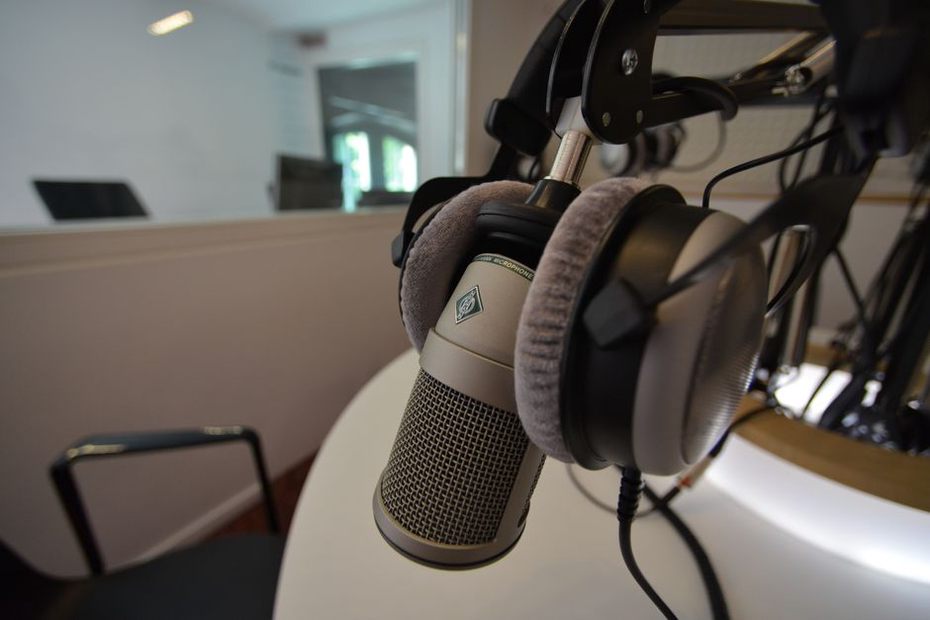
For collectors, broadcasts can provide context without turning a record into mythology. Hearing an album track introduced near its release date may clarify how it was presented—a local debut, an independent follow-up, or a festival-related release—while the record remains the primary document. That is especially relevant for small-run editions originally distributed through gigs and personal networks.
Limits of radio’s influence
Local radio could not remove the structural limits facing Finnish thrash. Airtime was limited, specialist shows often aired late, and presenters had to balance local submissions against international releases and established artists. One play did not guarantee press coverage, festival bookings, European touring opportunities, or sales. Equally, a lack of airplay does not indicate weak music. Some bands circulated mainly through shows, friends, tape and CD-R exchange, independent mail order, or later digital platforms.
The relationship ran both ways. Stations needed active local scenes for credible cultural coverage, while scenes benefited from broadcasters who treated heavy music as culture rather than novelty. When a programme played a new track, interviewed musicians, and named the venue and promoter behind a show, it documented the labour surrounding the music as well as the music itself. Broader context for those channels appears in this examination of Finnish media’s influence on thrash metal promotion.
A useful research method is to follow a narrow, verifiable trail. Establish a band’s release month through the physical edition or label record, check surviving station playlists and programme listings from the surrounding weeks, then compare any broadcast announcement with dated gig posters. A remembered radio mention becomes meaningful scene evidence when it can be tied to records from the same period, rather than treated as proof of a larger breakthrough.