
Stone’s 1988 song “Get Stoned” has an English title, sharp humour and a confrontational delivery familiar to thrash listeners well beyond Finland. Yet it came out of a Finnish scene. That combination is worth keeping in mind when reading the lyrics: Finnish bands have often addressed listeners abroad while writing and performing among local musicians, labels and club audiences.
In thrash, words also have a physical job. They give a fast riff a point of attack or turn a chorus into something a crowd can shout. A band can work within the genre’s conventions or make fun of them. Those choices tell us as much about a song’s place in the culture as the subject printed on a lyric sheet.
English words, Finnish origins
English has long been common in Finnish thrash. It connects local records to a style shaped by American and European bands, and it lets a song travel on a mixed European bill without translation. The language does not erase where the music was made: bands still rehearse, record and find their first audiences at home.
A lyric need not name a Finnish town or political event to belong to Finnish cultural history. A vocalist’s accent and phrasing, the audience that first learned a chorus, and the circumstances of a small release all affect how its words are heard. Nor does an English lyric address one uniform audience abroad. Listeners may recognise a genre convention without knowing the setting in which the song was written.
What the familiar subjects can mean
War, authority and catastrophe
War, coercion and destruction give thrash a ready vocabulary for distrust of power. In Finland, as elsewhere, such images can call up public debate, historical memory or everyday frustration. But a connection a listener hears is not necessarily one the band intended. A fictional battlefield may be a genre device rather than a coded reference to Finnish history. Start with what the lyric names; leave room for what it does not.
That caution matters with older records. Stone and other first-wave bands played a style whose speed and aggressive imagery were already familiar across borders. Later groups inherited those conventions and might use them to express a conviction, pay tribute to earlier thrash, or both. The words, their delivery and the record around them offer firmer ground than a claim that every violent image carries the same politics.
Humour, horror and excess
A grotesque image is not always a manifesto. Exaggerated threats, horror scenarios and self-aware jokes leave room for play in an abrasive style. Irony can be hard to catch in a shouted line, especially on a first listen. Sleeve art, song titles and the gap between an absurd premise and urgent music can help establish the tone, though the words still deserve a close reading.

The revival-era lyric as a live and recorded object
During the late-2000s to mid-2010s revival, Finnish bands drew on older thrash sounds while releasing music in the formats available to them. A listener might meet a lyric in a demo, a CD booklet, an online track listing or a live set. Each offered something different. A club chorus could stick before its verses were intelligible; printed words might reveal a narrator’s viewpoint or a joke missed in the noise.
Lost Society’s early albums, including Fast Loud Death (2013), show how youthful speed and emphatic vocal hooks could make thrash feel immediate rather than archival. The title fits the genre’s taste for compact provocation. It makes sense to read that phrasing first as a stylistic choice, not a literal statement of belief. For the records around this period, the blog’s account of Finnish thrash albums from the first wave and revival provides discographic context.
Onstage, a short refrain can pass from the singer to the room. Anger that seems individual on a lyric sheet becomes a shared chant when the audience repeats it. That is one reason a song with familiar subject matter can matter locally: listeners attach it to a band they saw and to the people who knew the words alongside them. Singing along does not mean agreeing with every line.
How to read the evidence without flattening the scene
Finnish thrash has no single lyrical position. Bands differ in how directly they address social conflict, how freely they use fantasy or satire, and how clearly they expect each word to come through. Keep the song, the release and its circumstances together:
- Check the credited text. A booklet or authorised digital lyric can settle words that are hard to hear; a listener transcription may not.
- Identify the speaker. A first-person line may belong to a character or dramatise a viewpoint rather than state a musician’s opinion.
- Notice repetition. A phrase chosen for its rhythmic force may take on greater weight when performed than it has in the verses.
- Compare versions carefully. A demo and an album recording may differ in wording, arrangement or intelligibility.
These checks keep a song’s subject apart from the politics of a whole community. A band can write about authority without speaking for its audience; listeners can value the sound without endorsing a fictional narrator. Claims about intent have firmer support when musicians have discussed a song on the record. If only the lyric survives, the claim should be narrower.
Why the words belong in the archive
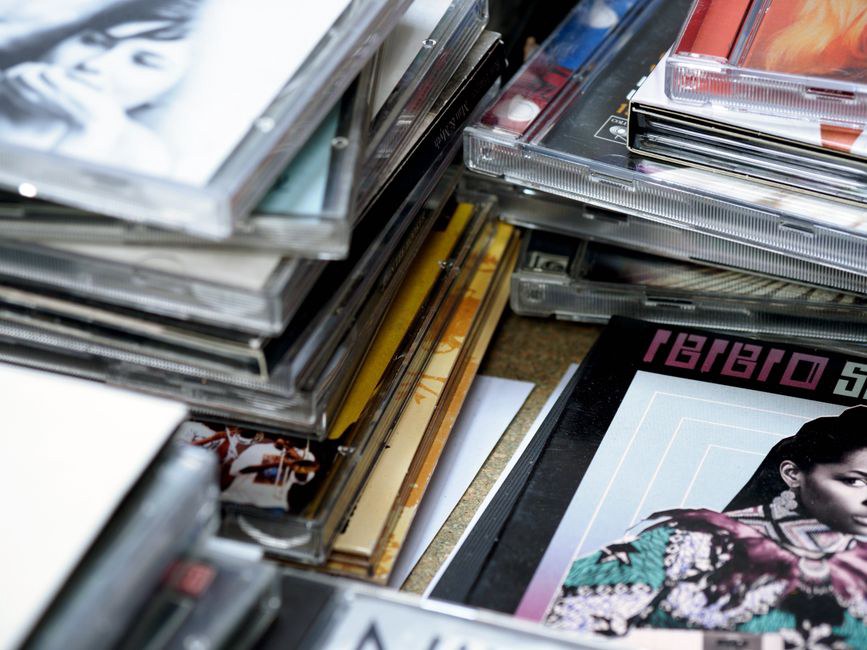
Lyrics can be one of the less stable parts of an underground release’s record. A physical copy may contain no printed words, while later online transcriptions circulate without a source. Preserved audio does not always settle the matter, either: a change in delivery can make it hard to tell whether a phrase was revised or simply heard differently. A catalogue entry should therefore distinguish a verified lyric sheet from a transcription made by ear.
For collectors and researchers, the specific edition often matters more than the song title alone. Record whether its booklet prints lyrics, which pressing the booklet came with, and whether the demo uses the same wording. A future listener can then check the line on paper against the one they hear.