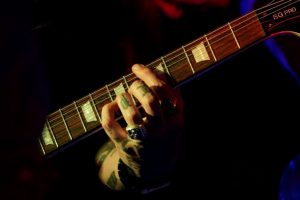
Finnish thrash of the 2000s did not pick up exactly where the pioneering 1980s bands had stopped. Stone remained an important local reference point, but a new generation had grown up with death metal, black metal, melodic metal, hardcore, and the international retro-thrash revival. Fast alternate-picked riffs, palm-muted chug, sharp snare hits, shouted vocals, and concise solo breaks were still central to the style, yet their proportions shifted noticeably over the decade.
From revival language to distinct local voices
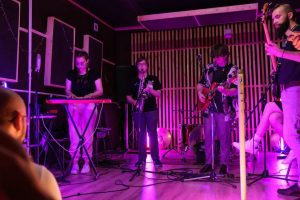
In the early and mid-2000s, Finnish thrash often surfaced through demos, small self-financed releases, and mixed bills with bands outside the genre. That setting shaped the music. A group could use an old-school riff vocabulary without recreating the dry, relatively untreated sound of an 1980s recording. Better rehearsal-room gear, digital editing, and the prevalence of dense metal production pushed guitar tones toward greater weight and performances toward tighter execution.
The revival impulse was still clear. Many bands favored tightly articulated mid-to-fast tempos, verse riffs driven by down-picked accents, and leads that treated classic US and German thrash as a shared language rather than a museum exhibit. Finnish players also often retained the melodic instinct associated with the country’s wider metal tradition. That did not necessarily mean keyboards or sentimental choruses. It might emerge in a harmonized guitar part, a minor-key lead, or a memorable melodic shape within an aggressive riff.
What changed in the riff
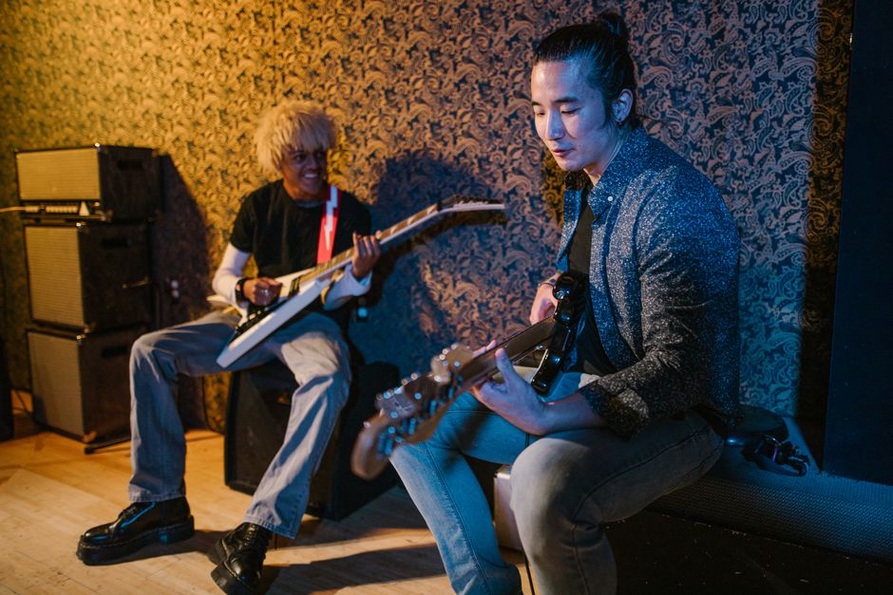
The clearest way to hear this development is to listen to riff construction rather than rely on genre labels. The later-2000s wave often brought several approaches together in one song:
- Classic thrash momentum: rapid single-note patterns and galloping figures, usually arranged to propel a compact verse or a mosh-ready transition.
- Heavier modern low end: thicker guitar layers and more forceful kick drums than many early thrash recordings used, giving slower riffs greater physical weight.
- Hardcore economy: blunt, percussive sections resembling breakdowns or built around gang-vocal cues, often without becoming crossover thrash.
- Lead-guitar clarity: solos and harmonies remained key dramatic devices instead of disappearing beneath the rhythm guitars.
That mixture is why “retro” is often too narrow a label. The reference points were historical, but these recordings came from musicians shaped by several intervening decades of extreme and traditional metal. A crisp, metronomic attack could sit beside a rough vocal delivery; a punishing low-register riff could give way to a melodic solo rooted in classic heavy metal.
Production became part of the aesthetic
Across the 2000s and early 2010s, Finnish thrash recordings increasingly emphasized separation in the mix. Guitar tracks were often doubled for width, bass was more present than on many earlier underground recordings, and drums were expected to stay intelligible at high speed. Complex picking patterns could be heard, tom runs retained definition, and solos cut through the arrangement.
This created a familiar tension within the scene. Some listeners valued a raw, rehearsal-room edge, where minor instability and abrasion made a release feel immediate. Others preferred cleaner mixes because precision was central to the music’s impact. The divide was never strictly generational: plenty of bands pursued a forceful but unpolished sound, while others used current studio tools without sacrificing speed or aggression.
Vocals followed a similar pattern. High, rasping shouts remained common, especially in songs built around speed and sarcasm. Other singers used a lower bark informed by hardcore or death metal. Clean phrases appeared now and then, generally as a hook or contrast rather than a wholesale stylistic shift. The more important change was rhythmic: vocals were increasingly arranged to reinforce the riff, with clipped syllables and repeated lines falling on its accents.
Lost Society and the early-2010s acceleration
Lost Society offered a visible example of how a younger Finnish act could bring technically alert, high-energy thrash to listeners beyond a narrowly archival audience. Their 2013 debut Fast Loud Death paired fast, riff-dense writing with prominent lead guitar, youthful urgency, and production polished enough to carry beyond local club circuits. The title declared its allegiance to speed and volume, but the album did not simply imitate one historical band.
As the group’s later work developed, it reflected a broader early-2010s willingness to take in groove, heavier modern metal tones, and different vocal approaches while keeping thrash as a foundation. Those changes divided listeners who preferred a stricter old-school template. They also showed that Finnish thrash survived through more than preservation: bands were testing how far the form could stretch before its rhythmic identity gave way.
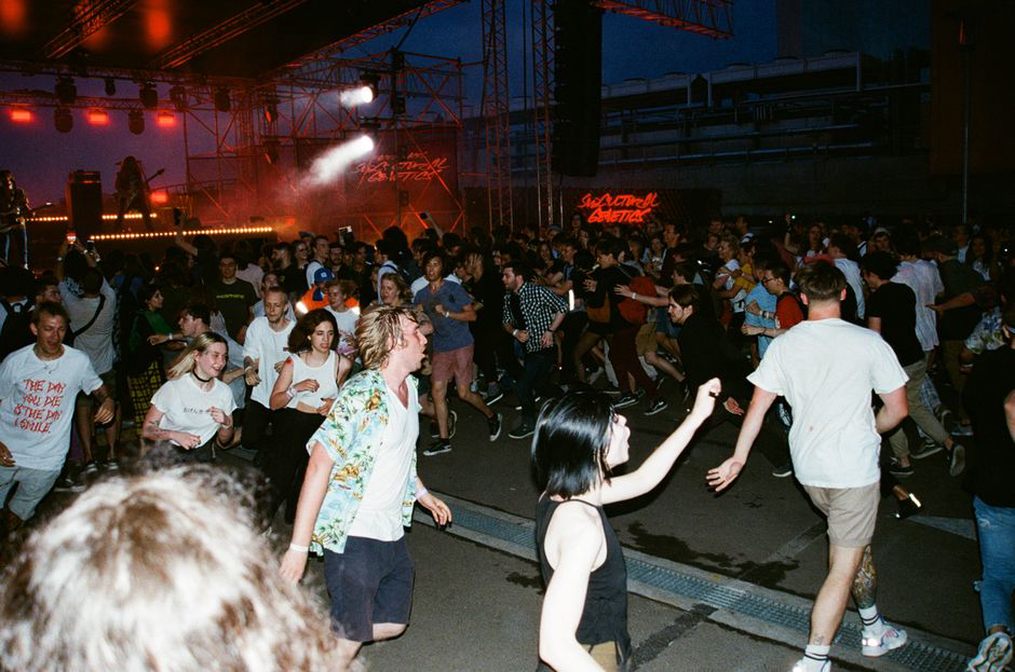
Onstage, the tension between disciplined arrangement and apparent abandon mattered just as much. A fast song depends on exact internal cues—drum fills, stops, lead entries, and vocal pickup lines—to sound reckless without dissolving into blur. For a fuller account of the practical path from local rehearsal spaces to touring bills, see Finnish Thrash Metal, 2008–2015: From Rehearsal Rooms to European Stages.
Speed was no longer the only marker of intensity
One of the clearest changes in the late 2000s and 2010s was the wider use of tempo contrast. Earlier revival-minded material could depend heavily on sustained velocity, as if acceleration alone authenticated the style. Later songs more often used half-time passages, stomping choruses, and deliberately paced introductions. These were not necessarily concessions to accessibility. A slower section could make the return of a tremolo-picked riff feel more violent, while a groove passage gave a live crowd a different physical entry point.
| Musical element | Common revival emphasis | Later 2010s tendency |
|---|---|---|
| Rhythm guitars | Constant fast picking and compact riffs | More contrast between speed, groove, and chug |
| Drums | Direct thrash beats and rapid transitions | Greater low-end impact and broader half-time use |
| Vocals | Raspy shouts and urgent phrasing | Mixed harsh registers and more rhythmic emphasis |
| Song form | Short, linear attacks | Expanded dynamics while preserving riff focus |
Listening without reducing every band to a lineage
Collectors and newcomers will get a clearer sense of the period by comparing full releases rather than isolated tracks. Start with the drum-and-bass relationship: does the bass simply reinforce the guitar, or does it add movement during transitions? Then follow the guitar tone through fast and slow sections. A band that sounds conventionally thrash at full speed may reveal its strongest individual character in a chorus, bridge, or lead arrangement.
Album sequencing can be useful evidence, too. A record that opens with a direct speed piece may place its more exploratory material later, after establishing its credentials. Credits, original formats, and edition details also help place a release in context, particularly with independent CDs, cassettes, and small vinyl runs. The physical artifact can preserve a snapshot of a band’s resources and ambitions: a raw demo layout, a self-released debut, or a more elaborate sleeve around a professionally recorded album.
For a focused listening session, put an early demo or debut next to a later full-length by the same band. Note the dominant tempo, the vocal register, and how long the lead guitar remains in the foreground. That limited comparison often says more about Finnish thrash’s evolution between the 2000s and 2010s than assigning a release a single revival label.