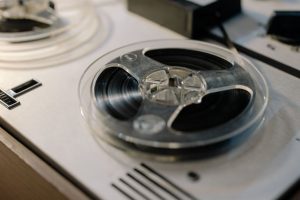
A Finnish thrash release from the late 2000s may survive on a collector’s shelf while the details needed to identify it properly have faded away: the original format, full line-up, recording location, artwork credit, or even whether a listed date refers to a session, a digital upload, or a physical pressing. Archival work begins by separating the object itself from the information attached to it. Both deserve preservation.
That matters especially for the revival-era underground of the late 2000s through the mid-2010s. Much of the scene moved through small-scale channels: demo CDs, limited vinyl runs, hand-screened patches, local flyers, web announcements, rehearsal-room footage, and short-lived social-media pages. These often contain details absent from formal music databases. A useful archive does not turn fragments into legend. It keeps sources attributable, dates them where possible, and leaves room for correction.
What an archival project should preserve
A music archive is more than a discography. A discography establishes a release sequence; an archive preserves the evidence behind that sequence and places each item within a local network of musicians, labels, venues, promoters, artists, engineers, and listeners. This distinction matters in independent Finnish thrash, where releases might be announced informally, sold at shows before wider availability, or reissued with changed artwork and bonus tracks.
Define the scope in writing before collecting. A project may cover one band, a city-based group of bands, a label catalogue, a promoter’s work, or Finnish thrash releases from a fixed period. A clear boundary keeps a collection from becoming an unsearchable pile of memorabilia. It also helps separate core material from related styles such as speed metal, crossover, blackened thrash, death-thrash, and traditional heavy metal.
Core categories for a working archive
- Sound recordings: demos, EPs, albums, live recordings released by artists or rights holders, rehearsal tapes, and officially issued compilations.
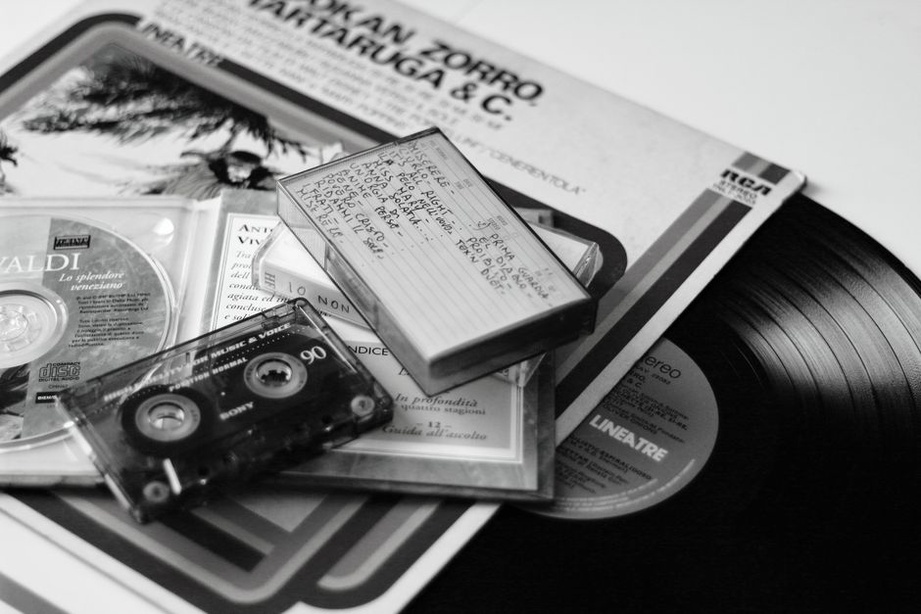
- Physical editions: CDs, cassettes, records, inserts, lyric sheets, stickers, mail-order sheets, and packaging variations.
- Performance evidence: posters, tickets, setlists, promoter listings, venue calendars, event photographs, and dated announcements.
- Contextual documents: interviews, reviews, fanzines, label correspondence shared with permission, press releases, and radio playlists.
- Visual material: cover art, logo variants, band photographs, stage backdrops, merchandise designs, and flyer layouts.
- Oral history: recorded or transcribed interviews with musicians, engineers, organizers, designers, label staff, and audience members.
Keep the source context attached to each item. A flyer is more than evidence that a concert was planned: it may identify the promoter, support acts, admission price, visual language, venue address, and advertised date. A later recollection may explain whether the show went ahead as planned, but it should not silently replace the original flyer.
Build records around evidence, not assumptions
Create one catalogue record for each item, then connect related items through stable identifiers. Do not rely on memory or copied database entries without checking the source behind them. A band name alone may not be enough, particularly when short or common names create confusion across countries and genres.
For every release, record the title exactly as it appears on the object. Keep normalized search fields separate for alternate spellings, capitalization, diacritics, and common abbreviations. Photograph or scan the front cover, back cover, spine, disc face, insert, and, where relevant, matrix or catalogue markings. Small production details can distinguish an original independent edition from a later repress.
A practical release-record template
| Field | What to capture | Why it matters |
|---|---|---|
| Identifier | A unique archive ID, such as FINTHR-REL-001 | Keeps files, notes, and images connected |
| Artist and title | Exact wording from the release; alternate names in separate fields | Preserves the source while improving discovery |
| Format and edition | CD, cassette, vinyl, digital; colour, numbering, packaging, inserts | Separates distinct pressings and versions |
| Date | Full date where supported; otherwise month, year, or an explicitly marked estimate | Avoids false precision |
| Credits | Musicians, recording personnel, artwork, label, distribution | Maps creative and practical relationships |
| Source and verification | Item in hand, scan, interview, contemporary announcement, catalogue | Shows how each claim was established |
| Notes | Differences between sources, missing facts, later corrections | Preserves uncertainty rather than hiding it |
Use controlled language for confidence levels. “Printed on sleeve” identifies information visible on the object. “Stated in a 2012 interview” identifies testimony. “Reported but unverified” marks a lead that needs further evidence. This is particularly important for release dates, print runs, and touring histories, which are often repeated online without a primary source.
Digitization without losing the original object
Digitization improves access and reduces handling, but it does not replace the original disc, tape, paper item, or digital file. Store physical material in stable sleeves or archival boxes, away from direct light, dampness, and sharp temperature changes. Keep inserts with the edition they belong to, and use reference copies for routine consultation.
For paper documents and artwork, scan at a resolution that preserves small text and print texture. Save an unedited master image in a lossless format, then create smaller access copies for publication or research. Use a consistent file name combining the archive ID, item type, date where known, and view: for example, FINTHR-REL-001_cover-front_master.tif. File names should not be the only place where facts are stored; keep the metadata in a catalogue or spreadsheet as well.
Audio needs the same separation between preservation and access. Retain the original carrier wherever lawful and feasible. If a rights holder authorizes a preservation transfer, record the equipment used, transfer date, file format, and any audible defects already present on the source. Do not circulate unauthorized rips or uploads. An archive can describe a rare demo, document its track list, and maintain a private reference copy under appropriate permissions without enabling illegal distribution.
The technical and aesthetic choices behind these recordings often explain why two releases from the same period sound so different. For a focused account of studios, engineers, home setups, and DIY production decisions, see the study of recording Finnish thrash metal in the late 2000s and early 2010s.
Document shows as events with multiple outcomes
Live documentation is prone to a familiar archival mistake: treating an announcement as confirmation. A poster proves that a show was planned. By itself, it does not prove that every advertised band performed, that the venue opened, or that the running order was followed. File the announcement as a “planned event,” then look for support in a venue listing, contemporaneous photographs, a review, a setlist, or participant testimony.
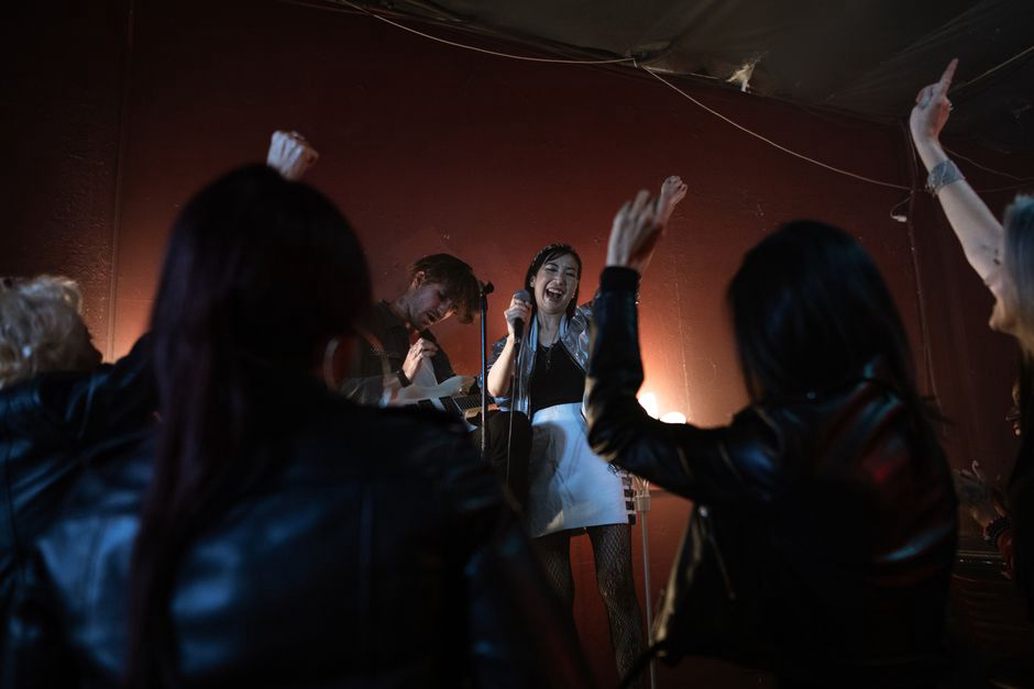
Performance records are strongest when they include the full framework: date, city, venue, promoter, advertised billing, confirmed billing, source type, and notes on cancellations or substitutions. Local club bills deserve the same attention as festival appearances. Small rooms were where many bands tested songs, exchanged equipment contacts, met artists and promoters, and sold their first physical releases.
When gathering oral testimony, ask for concrete anchors. Which venue was it? Which month or season? Who else played? Was a physical release available at the merch table? Did the band travel from another city? Record the interview date and retain the unedited audio where consent permits. Later transcripts may be corrected for clarity, but substantial edits should not remove uncertainty or alter a speaker’s meaning.
Capture networks, not only individual bands
Finnish thrash archives become more useful when they show connections between people and places. A guitarist may appear in several bands; a local label may release material by artists from different towns; an illustrator may shape the visual identity of a circle of acts; a promoter may repeatedly bring Finnish groups together with touring European bands. Such links show how a scene functioned without forcing it into one stylistic narrative.
A simple relational index can track people, places, organizations, and works. Link a musician to documented releases and performances. Link an album to its recording location, credited engineer, label, and cover artist. Link a concert to its venue and promoter. This makes patterns visible while keeping every connection tied to a source.
Independent labels deserve records of their own because they often did much more than manufacture releases. They might coordinate artwork, pressing, distribution, mail orders, release announcements, and contacts beyond Finland. Independent Labels and Finnish Thrash Metal, 2000s–2010s provides useful context for understanding those roles in the underground’s release culture.
Ethics, permissions, and correction procedures
Archival enthusiasm should never override creators’ rights or personal boundaries. Seek permission before publishing unpublished recordings, private correspondence, rehearsal images, or full scans that may be protected by copyright. Credit photographers, artists, writers, labels, and collectors exactly as agreed. If ownership is unclear, keep the material in a restricted research file until rights can be clarified rather than treating online availability as permission to reproduce it.
Personal data requires restraint. A flyer may include an obsolete phone number or home address, while a scanned letter may contain information never intended for public circulation. Preserve the original securely if it has research value, but redact sensitive details from public copies. Apply the same care to interviews involving conflict, health, finances, or unverified claims about other people.
Every public archive needs a visible way to submit corrections. Note what changed, when it changed, and what evidence supports the update. Do not overwrite an earlier claim so completely that later researchers cannot see why the error appeared. A brief revision note—such as “release year corrected from 2011 to 2010 after examination of the original disc and contemporary label notice”—protects the archive’s credibility.
Make the archive usable over time
Long-term preservation depends more on ordinary routines than elaborate software. Keep at least three copies of digital files on different media and in separate locations. Test backups by restoring files periodically rather than merely confirming that copies exist. Maintain a plain-text inventory export alongside any specialist database, since software changes more quickly than core descriptive information.
For a modest project, a spreadsheet, folder structure, contact log, and consistent image filenames may be enough. Larger initiatives may benefit from collection-management software, formal metadata standards, and a deposit agreement with a library, museum, or local heritage organization. At any scale, record provenance: note whether an item was donated, loaned for scanning, bought second-hand, supplied by a band, or copied from a licensed source.
A practical final workflow is simple: assign an accession number when an item arrives, photograph its condition before cleaning or rehousing it, enter observable facts first, and add interpretive notes later with citations. A cassette labelled in marker pen may seem minor beside a finished LP, but its handwriting, tape brand, insert, and documented chain of custody can provide some of the clearest evidence of a band’s earliest recorded phase.