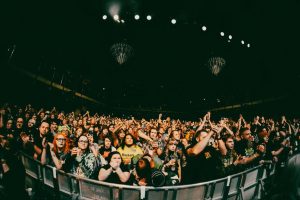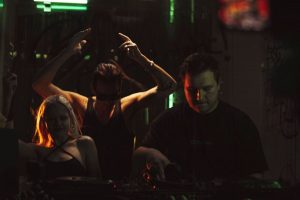
A Finnish thrash band could announce a demo, post its cover art, upload one track, and reach listeners far beyond its home town before the first CDs had left the duplicator. In the late 2000s and mid-2010s, this became a routine part of underground metal work. Social platforms did not replace rehearsals, local promoters, record shops, zines, or touring. They made those connections faster, more visible, and easier to maintain across borders.
For a scene built on riff-led music and a strong attachment to physical releases, social media worked best as a noticeboard, archive, conversation space, and coordination tool. Its value rarely came from viral exposure. More often, it was the steady flow of useful information: a venue sharing a concert poster, a band confirming a release date, photographs from a club floor, or a message explaining where a cassette or seven-inch could be bought legitimately.
From local flyers to searchable scene information
Finnish metal had long relied on close local networks. Musicians met through rehearsal spaces, school friendships, other bands, record stores, and gigs; news travelled through flyers, mail-order catalogues, print magazines, and word of mouth. Those channels still mattered during the revival era, but a Facebook page, an early MySpace profile, or a later YouTube upload gave scattered listeners a shared reference point.
That was especially important for new groups whose names were not yet familiar. A listener in another Finnish city—or in Germany, Spain, Japan, or South America—could find facts that had once been difficult to track down: who played in the band, which releases existed, where an upcoming show would take place, and whether there was an official route to buy music or merchandise. Searchability reduced the accidental invisibility that often affected small independent acts.
Platforms also allowed bands to present a visual identity at little cost. Thrash revival groups could combine rehearsal-room shots, live photographs, hand-drawn logos, tape scans, and cover art with their music. The aesthetic itself did not originate online. It drew on decades of metal sleeve design, flyers, skate and punk imagery, horror art, and DIY publishing. Online pages simply gave those references a regular public outlet.
What social platforms actually did for bands
The most useful online activity was usually ordinary rather than spectacular. A clear post about a release date or a show could prevent confusion among fans and help promoters plan. For musicians balancing jobs, studies, and contacts spread across different places, a free or low-cost page was easier to maintain than a dedicated website that required regular technical attention.
Announcements, documentation, and direct contact
- Gig communication: Bands, venues, and promoters could circulate posters, set times, ticket information, and last-minute changes. A shared event page helped audiences identify local support acts instead of discovering the full bill only on the night.
- Release visibility: Short audio previews, photographs of finished records, and track listings gave a demo, EP, or album a life beyond its first announcement. They also helped collectors distinguish official releases from unverified uploads.
- Press materials: A concise biography, high-resolution band images, music samples, and contact details could be supplied without costly printing or postal delays. This helped small webzines, local radio hosts, and promoters.
- Audience feedback: Comments and messages showed that a recording had reached people. The value was not limited to praise: requests for a show in another city or questions about formats could help a band gauge interest.
- Scene memory: Images of bills, rehearsals, tours, and release tables preserved details that might otherwise disappear. They need dates and context, but they have become an important supplement to physical archives.
These uses often overlapped. A concert photo might lead someone to a newly released tape; the release post might point to an event page; a fan’s tagged image could preserve a bill that received little press coverage. What emerged was a distributed record of activity rather than one official history.
MySpace, Facebook, YouTube, and Bandcamp as different tools
“Social media” was never one uniform force. Each service supported a different part of underground work, and its usefulness shifted over time. MySpace mattered for music discovery and basic networking in the late 2000s, when a profile with streaming songs could function as an informal calling card. Its later decline shows the risks of relying on platforms that can leave major gaps in the historical record.
Facebook became particularly practical for Finnish bands and promoters because it combined event listings, announcements, messaging, photo sharing, and audience interaction. A venue could create a page for a show, tag the participating bands, and reach followers without depending only on printed posters. There were clear limits: visibility was uneven, older posts became difficult to retrieve, and not every listener used the platform. Even so, Facebook often served as the day-to-day calendar for local heavy music activity.
YouTube had a different role. Live clips, rehearsal footage, official tracks, and audience-recorded videos could show how a band sounded in a room rather than only on record. For thrash, where impact often depends on tempo, tight ensemble playing, and crowd energy, even rough footage could convince a distant promoter or listener to pay attention. Videos still need careful handling as evidence: an upload date may not match the performance date, and titles or locations can be wrong unless confirmed by contemporary sources.
Bandcamp, though not a social network in quite the same sense, brought listening and legitimate direct sales closer together. Independent artists could present credits, lyrics, formats, and purchasing options in one place. For collectors, this could clarify whether a digital release also existed on cassette, CD, or vinyl. The platform did not remove postage costs or the financial limits of small-run manufacturing, but it made a band’s catalogue easier to find internationally.
| Platform role | Typical value to a Finnish thrash band | Historical limitation |
|---|---|---|
| Profile-based networking | Early music discovery, contacts, basic streaming | Profiles and embedded audio could vanish or become inaccessible |
| Event-focused social pages | Gig promotion, posters, local discussion, messaging | Posts are difficult to search systematically years later |
| Video sharing | Live proof, visual identity, rehearsal and tour documentation | Dates, venues, and line-ups require verification |
| Artist storefronts | Official listening, credits, and direct support for releases | Not every physical edition remains in stock or listed |
Extending the reach of physical culture
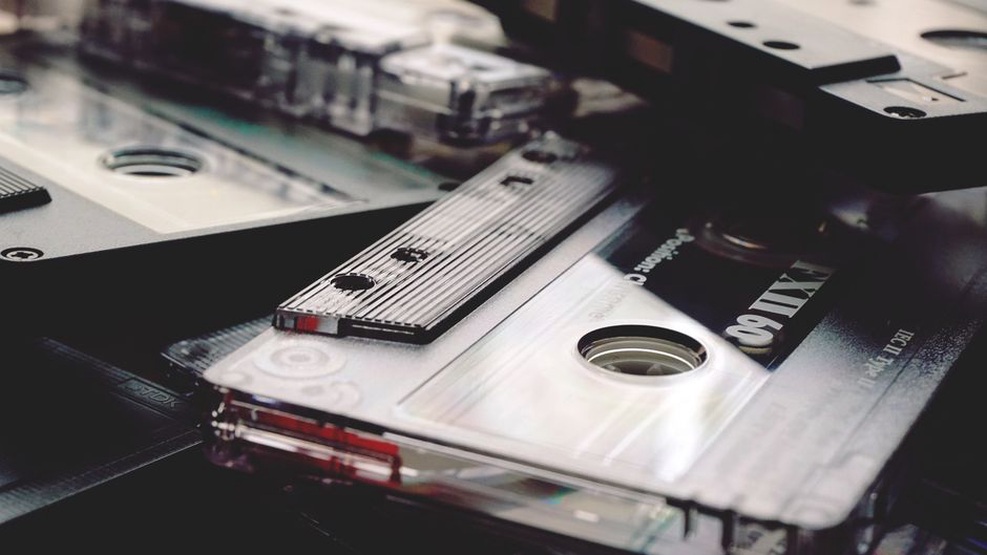
Finnish thrash revival activity was not a story of downloads replacing objects. Cassettes, CDs, vinyl records, patches, shirts, and hand-made inserts retained cultural weight. They represented commitment, artwork, sound, and a tangible record of a band’s existence. Social media often helped this physical culture travel rather than pushing it aside.
A post showing a newly arrived box of records could tell supporters that copies were available at a release show or through an official mail-order channel. A photograph of a cassette’s J-card could help collectors identify a particular edition. Tour updates could tell overseas followers which releases would be on the merchandise table. That was especially useful for limited runs, where uncertainty about availability could put off interested buyers.
The same visibility carried risks. Unauthorised uploads and vague sales posts could confuse buyers or strip a release of its context. Bands and labels could counter this by stating catalogue details, format, edition information, and official ordering routes plainly. The principle was straightforward: make legitimate access easy while retaining the credits and presentation intended by the artists. For a broader account of why records, tapes, and community practices remained central, see Finnish Thrash Metal’s Lasting Legacy: Craft, Community, and Physical Culture.
European networking without pretending distance disappeared
Social media lowered the first barrier to international contact. A promoter could hear a Finnish band quickly, exchange messages, and obtain a press pack without waiting for a physical package. Bands could follow festival pages, contact labels, and remain visible to audiences between tours. This supported the gradual development of European ties among groups, promoters, writers, and committed fans of classic-minded thrash.
It did not make touring easy. Transport, accommodation, equipment, border logistics, work schedules, and the financial uncertainty of small club shows still shaped every route. Online attention could start a conversation, but it could not guarantee an audience large enough to make a tour viable. That distinction matters because later social-media traces can make scattered appearances look like a continuous, well-funded circuit.
For Finnish acts, online communication was particularly useful after a first meeting. A shared bill in another country might lead to tagged photos, a video clip, a follow-up message, and eventually another invitation. Such small exchanges helped relationships survive the long gaps that often separated tours. They also allowed listeners who first encountered a band at a festival to follow later releases from home.
Fans as promoters, photographers, and informal archivists
Finnish thrash was not promoted by bands alone. Fans reposted show notices, shared photographs, wrote short reports, uploaded responsibly sourced clips, and recommended records to contacts abroad. A small webzine or a carefully maintained personal page could matter precisely because underground audiences often valued informed enthusiasm over polished marketing language.
This participatory environment created a real sense of proximity. A listener could ask whether a record would be available at a certain gig, thank a band for a set, or identify an opening act for friends who had missed the announcement. Still, it should not be romanticised as a frictionless community. Public comment sections could spread wrong information, amplify personal disputes, or reduce serious artistic work to a stream of quick reactions. Musicians still needed boundaries around private life, rehearsal time, and communication.
How to use social posts as historical evidence
For researchers, collectors, and writers, social-media material is most useful as a clue rather than final proof. A post can establish that an announcement was made on a certain date; it does not automatically prove that the advertised event happened exactly as planned. In the same way, a band photo may show a line-up at one point without proving that it remained unchanged through an entire recording cycle.
- Save the original post or screenshot with its visible date, account name, caption, and attached image.
- Separate the posting date from the date of the event, recording, or release being described.
- Check claims against physical release credits, venue calendars, flyers, contemporary reviews, and statements from official band or label accounts.
- State uncertainty plainly when sources conflict or when an old post has been edited, deleted, or reposted without context.
- Where possible, preserve a physical reference as well: a ticket, poster, release copy, or printed review often retains information that platforms later hide.
This approach matters because the platforms themselves are unstable archives. Names change, privacy settings shift, image hosts disappear, and search results favour recent activity. A careful archive preserves provenance instead of treating a reposted flyer as equivalent to an original announcement.
Visibility, authenticity, and the limits of promotion
Classic thrash aesthetics translated well online because the music already had recognisable codes: sharp logos, violent or surreal cover art, denim-and-leather references, fast performance clips, and emphatic record imagery. But Finnish groups depended on more than familiar visuals. Playing, songwriting, production choices, and a credible connection to local live culture remained decisive. Social media could introduce a band; it could not provide the musical discipline needed to keep listeners interested.
The strongest online presence was often not the busiest one. Regular, accurate updates gave supporters confidence that a page was active, while excessive posting could bury meaningful news. Clear credits mattered, as did acknowledging promoters, opening bands, photographers, labels, and volunteers. That reciprocity reflected the collaborative reality of underground music, where a show depended on many people beyond those on stage.
When documenting this period, pair an archived social post with a durable object whenever possible: a dated event image with a ticket or flyer, a release announcement with the actual sleeve and catalogue details, or a live clip with a confirmed venue listing. That small act of cross-checking gives a fleeting platform trace the context it needs to remain useful years later.