Finland’s late-2000s thrash resurgence grew through small, overlapping circles of musicians rather than a single manifesto, label launch, or national breakthrough. Cassette demos, CD EPs, mail orders, and club bills were practical ways to find listeners. The bands drew openly on 1980s speed and thrash metal, but the story is better told through local developments than as one unified movement.
Before the revival: the historical foundation
Finnish metal already had a strong history of aggressive, riff-driven music. During the 1980s, bands including Stone and Airdash established a domestic precedent for fast, technically alert heavy metal with punk energy and a sharp rhythmic attack. Later musicians did not simply copy those records; they showed that thrash could be played in Finland with its own vocabulary and audience.
By the 1990s and early 2000s, Finland was better known internationally for melodic death metal, doom, gothic metal, power metal, and symphonic styles. Thrash never vanished, but it was less visible. That began to change in the late 2000s, when younger musicians and listeners returned to older records, gathered in smaller venues, and embraced physical underground formats alongside online communication.
2007–2008: Local bands and demo-era momentum
The years around 2007 and 2008 offer a useful starting point. More young Finnish groups began presenting themselves through familiar classic-thrash markers: rapid down-picked riffs, palm-muted verse patterns, abrupt tempo shifts, shouted vocals, denim and patches, and hand-drawn or horror-themed artwork. These were more than nostalgic props. They gave bands in different towns a shared language that audiences could recognize.
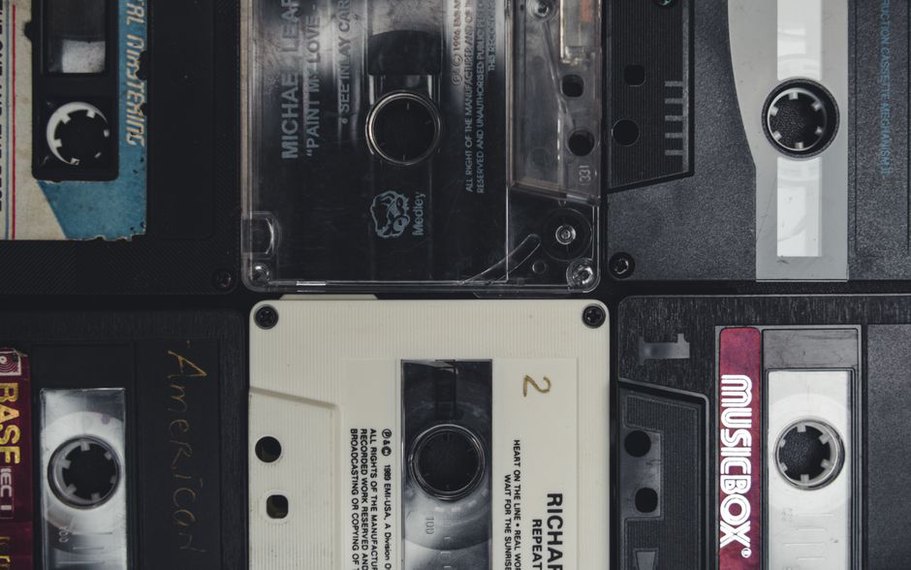
Demo tapes, CD-Rs, and small self-financed discs still mattered even as MySpace and other platforms made music easier to hear. A physical release gave a new band something to trade at gigs, send to fanzines and small labels, or offer through postal orders. Runs were often limited, making surviving copies valuable documents of the period. Scarcity, however, should not be mistaken for artistic importance.
Lost Society, Ranger, Speedtrap, and Forced Kill were among the names associated with this wider revival environment. They did not sound alike. Some favored athletic precision, while others leaned toward raw speed metal, early German thrash, or the looser attack of 1980s underground recordings. In Finland, “thrash” often worked as a meeting point for related traditions rather than a strict genre line.
What the earliest releases reveal
Early recordings from this period often had short track lists, brief running times, and guitar-forward production. That did not necessarily make them technically primitive. Budgets, studio time, and a preference for directness all shaped the sound. A raw recording could preserve pick attack, cymbal splash, and rehearsal-room urgency that heavy editing might smooth away.
- Rehearsal recordings documented formative arrangements and line-ups.
- Demos and EPs acted as calling cards for promoters, distros, and underground listeners.
- Split releases linked groups with similar audiences and reduced manufacturing costs.
- Small-run vinyl and cassette editions connected the scene with international collector networks.
2009–2010: From isolated releases to a recognizable network
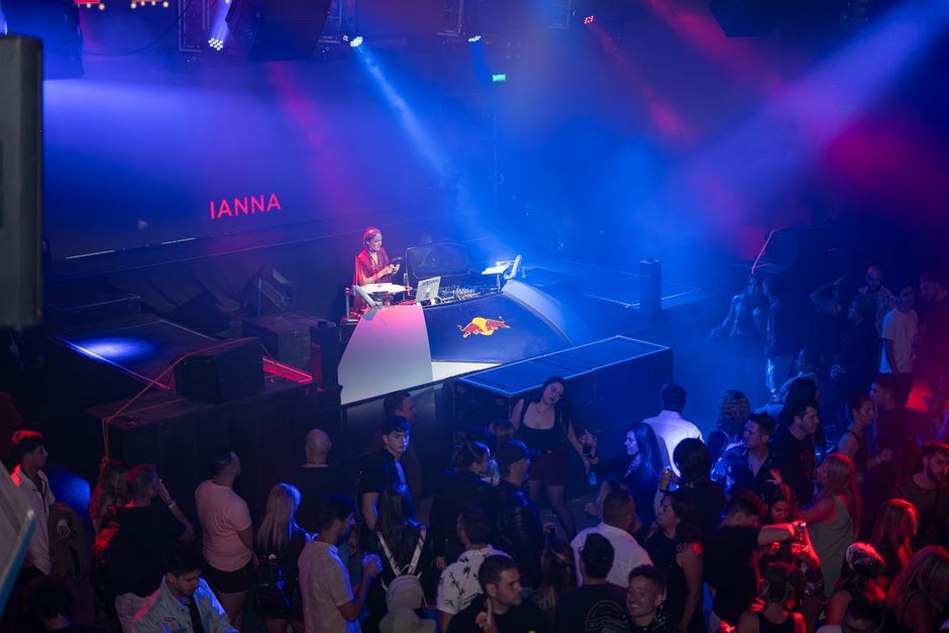
By 2009, the underground network was easier to see. Bands appeared on bills together, and Finnish listeners could identify a cluster of acts built around speed, clear riffing, and older metal aesthetics. Promoters and local venues were central to that process. A scene does not need stadium-sized crowds; it needs regular chances for bands to play, audiences to return, and recordings and information to circulate.
The growth was international in a modest but meaningful way. Independent labels, distros, webzines, and tape traders outside Finland began paying attention to releases that matched the worldwide interest in traditional speed, thrash, and heavy metal. Recognition often started with a review, a wholesale order, or a foreign label issuing a vinyl edition rather than mainstream coverage.
Ranger’s early activity illustrates the period’s speed-metal edge. Its raw, high-energy approach and visual language connected it with the New Wave of British Heavy Metal as well as thrash. Speedtrap represented another strand where the boundary between speed metal and thrash became blurred, with fast riffs and a deliberately old-school performance style. Such overlaps explain why revival-era Finnish bills could cover a broad range of sounds while still making sense to their audience.
2011–2012: Debuts, stronger touring circuits, and broader attention
The early 2010s brought a clearer move from demos to albums and professionally manufactured releases. A full-length could travel farther than a local show: reviewers could assess a band across several songs, distributors could stock it, and listeners abroad could encounter a Finnish act without prior knowledge of the local scene.
Ranger’s Where Evil Dwells, released in 2011, is one of the period’s key reference points. Its rough-edged production, quick tempos, and overt devotion to 1980s heavy metal and speed metal made its aims clear. The album also showed that an underground release could gain an international following without abandoning a raw presentation.
Club appearances and support slots gave newer bands a practical education in building a set, maintaining equipment on the road, and reaching listeners beyond their immediate circles. The strongest historical evidence is often ordinary material: flyers, ticket stubs, venue calendars, dated photographs, set lists, and contemporary reviews. Taken together, these sources establish the real geography of a band’s activity more reliably than later anecdotes.
The role of festivals
Festival appearances could put an emerging thrash band in front of listeners who had come for death metal, traditional heavy metal, or hard rock. Finland’s established festival culture offered heavy bands potential stages ranging from local outdoor events to specialist metal gatherings. A festival slot did not replace club work; it increased the reach of bands that had already learned how to perform in smaller rooms.
For listeners sorting through the musical cross-currents of this era, the examination of cross-genre influences in Finnish thrash metal during the 2000s and 2010s provides useful context for the speed-metal, blackened, punk, and traditional-metal elements that appear around the timeline.
2013: Lost Society reaches a wider platform
Lost Society’s debut album Fast Loud Death made 2013 an important year for the scene’s visibility. The group had gained attention through the Wacken Metal Battle competition, and its release through Nuclear Blast placed Finnish thrash before a far larger international audience than most local independent records could reach. The title accurately signaled the band’s priorities: speed, loudness, youthful force, and songs made for an energetic crowd response.
Lost Society did not represent every Finnish thrash band’s sound or career path. Its rapid move to an established international label was unusual within a scene largely sustained by DIY activity and small labels. Even so, the breakthrough mattered symbolically. It showed that a Finnish band playing openly thrash-rooted music could attract attention in a metal market often focused elsewhere.
The year also underlines an important distinction in scene history. Commercial reach and underground credibility are different measures, not opposing moral categories. A major-label debut documents one kind of success; a self-released cassette that connected a regional circuit documents another. Both belong in a serious account when their dates, credits, and circulation can be verified.
2014–2015: Consolidation, stylistic divergence, and European circulation
By 2014 and 2015, the revival had developed enough for its internal differences to be clearer. Ranger continued building an international reputation, including through the 2015 album Where Evil Dwells, often discussed as a defining statement of its early aesthetic. Its scruffy, live-wire character offered a counterpoint to more polished contemporary metal production.
Lost Society followed Fast Loud Death with Terror Hungry in 2014, retaining a forceful thrash framework while tightening its songwriting and performance. Elsewhere, groups such as Forced Kill showed the continued appeal of hard-driving, classic-minded material in the underground. There was no single national sound. Finnish acts drew different elements from the same broad toolkit: Bay Area thrash precision, German speed, crossover bluntness, NWOBHM melody, and punk economy.
European touring became more attainable through shared bills, specialist labels, and the international audience for physical underground metal. It was still expensive, and a foreign appearance did not necessarily amount to a full tour. Historical accounts should separate isolated festival dates, support runs, and independently booked multi-city itineraries rather than treating all international activity as equivalent.
How to read the timeline responsibly
A Finnish thrash timeline is most accurate when it records different kinds of events separately. A formation date, first public performance, demo recording date, release date, and later vinyl reissue may all be different. Blurring them can make a scene seem older, faster-moving, or more centralized than it was.
| Event type | What to verify | Why it matters |
|---|---|---|
| Demo or EP | Format, catalogue number, release date, credits | Establishes the earliest documented repertoire |
| Album | Label, release territory, recording personnel | Shows changes in distribution and resources |
| Live date | Venue listing, flyer, promoter archive, contemporary coverage | Maps local and international activity |
| Festival appearance | Official programme and date | Distinguishes confirmed bills from later recollection |
Collectors can help preserve this record by keeping inserts, receipts, labels, and scanned artwork with clear file names. Musicians’ social-media posts can be useful leads, but original announcements and physical credits should be retained where possible. For a wider view of preservation and the scene’s continuing documentary needs, consult Finnish Thrash Metal’s Legacy: Archives, Live Culture, and What Comes Next.
A useful archive entry for a 2010s Finnish thrash release should include the band name, title, format, label or self-release status, catalogue number where present, credited line-up, release year, acquisition source, and images of both sides of the item. These details let future researchers identify a real release without turning rumor, resale copy, or memory into fact.