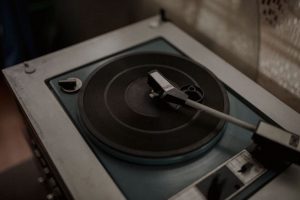
Stone’s 1988 debut put fast, tightly arranged thrash on the Finnish metal map. It did not change the genre single-handedly, nor does Finland’s contribution depend on such a claim. The early records gave listeners a point of reference outside the better-known American and German scenes. Later bands carried Finnish thrash onto European bills, while the late-2000s revival kept a small scene active without turning it into a mass-market movement.
Finland is more often associated abroad with melodic death, doom, and symphonic or folk-influenced metal. Thrash belongs in that history on its own terms. Its international reach was uneven; the clearest evidence lies in recordings, performances across borders, and continuing ties to independent metal networks, rather than in a single, unified “Finnish sound.”
An early voice in an international genre
Thrash grew through exchange. Musicians heard imported records, drew on hardcore punk’s pace, and worked heavy metal’s precision and weight into the mix. Finnish bands joined that conversation rather than inventing a separate style in isolation. Stone became the best-known early Finnish name. Their debut and 1989’s No Anaesthesia! joined rapid riffing to abrupt changes of direction and ambitious playing. For listeners abroad, these were Finnish records that did more than repeat dominant American models.
Stone’s long-term influence is easier to hear and discuss than to measure. Their records circulated among metal listeners, and guitarist Roope Latvala later reached a wider audience through Children of Bodom. That does not make Stone the sole architect of Finnish metal. It means their songs, playing, and name remained available for later musicians and collectors to revisit.
Airdash shows why the first wave should not be reduced to Stone. Beginning with Thank God It’s Monday, the band’s albums took their own rhythmic and melodic approach to thrash. To someone finding Finnish records through imports or collector networks, the two bands offered different answers to the same musical question: how do you make speed and aggression work as songs?
What made those records useful beyond Finland?
No knowledge of Finnish venues or local personalities was needed to hear what the early records were doing. Sharp guitar attacks, drums that shifted between steady drive and sudden interruption, and riffs allowed to change shape were all there on the recordings. Those features belong to international thrash, not to Finland alone. What mattered was hearing them developed on records with a history outside the genre’s most heavily documented scenes.
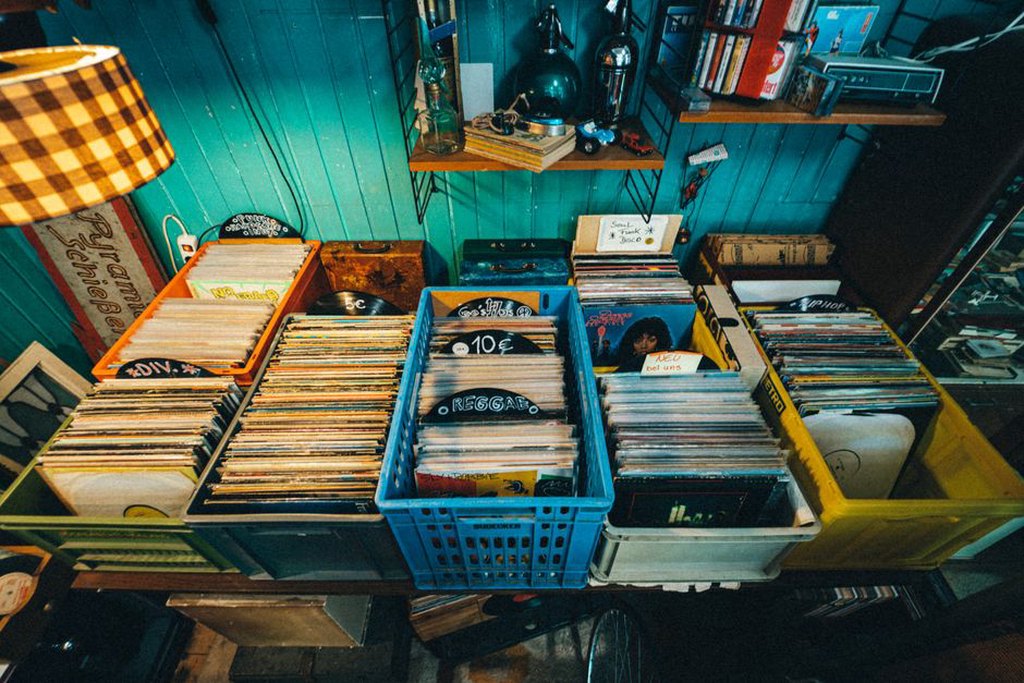
Finding those records was another matter. Imports, label distribution, fanzines, and later reissues helped determine which releases reached listeners abroad. A record could mean a great deal to musicians and collectors yet remain hard to find in another country. Domestic reputation alone cannot establish international significance, but a lack of mainstream success cannot rule it out either.
Distinct paths rather than a national formula
“Finnish thrash” locates a scene; it does not describe a fixed sound. Stone’s restless technical playing differed from the crossover energy of more punk-facing groups. Later bands struck their own balances between melody, precision, humor, and abrasion. Those differences tell us more than a blanket claim about national character.
Children of Bodom make the boundary worth spelling out. Their worldwide audience brought fast Finnish guitar music to many listeners, and Latvala’s membership connects their story to Stone. But Children of Bodom are generally identified with melodic death metal and related styles, not as a straightforward thrash band. Latvala’s career shows how a musician associated with early Finnish thrash gained much wider visibility; it does not show that thrash itself reached the same audience.
Within thrash, some Finnish recordings favored compact songs and immediate rhythmic force. Others made space for intricate transitions or melody. International fans could hear familiar points of contact without finding interchangeable copies of Bay Area or German records. That range is part of what makes the releases interesting: they show what happens when musicians take up a shared genre under different local conditions.
Revival-era bands joined a wider conversation
By the late 2000s, young bands across Europe and elsewhere were returning to thrash’s older vocabulary: fast alternate picking, shouted backing vocals, sharp-edged artwork, and an affection for physical releases. Finnish acts took part, though the job went beyond adopting the look. They had to write songs, record them, reach listeners, and keep playing in a crowded international field.
Lost Society is a clear case of cross-border visibility. Formed in Jyväskylä, the band reached listeners outside Finland with its 2013 debut, Fast Loud Death, released by Nuclear Blast. Its speed, shouted hooks, and youthful delivery placed it squarely in the revival-era conversation. Wider distribution and touring opportunities meant the band’s music could be heard alongside contemporary thrash from other countries, not just at home.
Other Finnish bands worked on smaller scales. A self-released demo that found collectors abroad circulated differently from an album with international distribution. Both could build connections, but they leave different evidence behind. Lumping every overseas listener into a story of breakthrough obscures how these bands actually operated.
What a foreign audience actually encountered
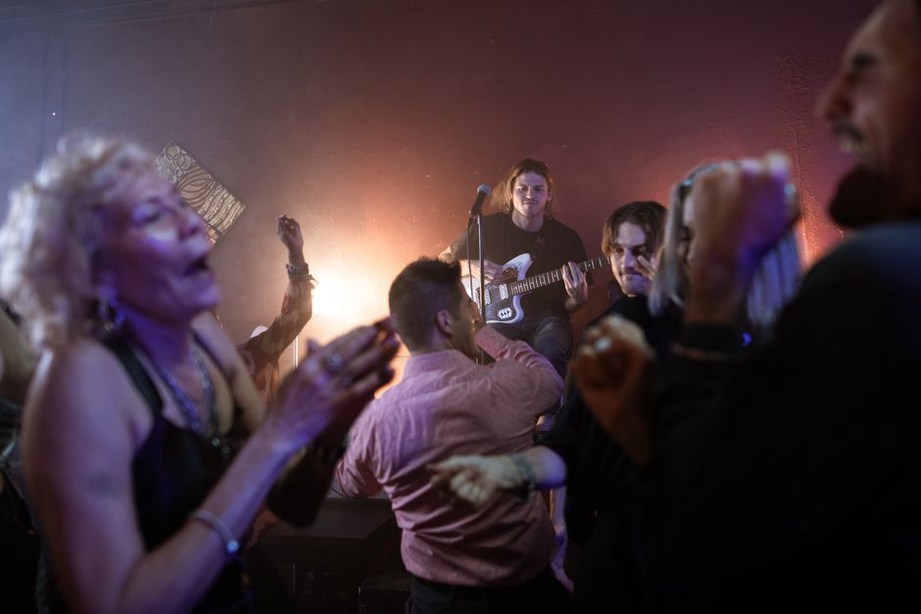
For a listener outside Finland in the early 2010s, discovery might start with a release in a specialist shop, a track shared by a band, a festival set, or a place on a European tour bill. Each route offered something different. A live band could win over people unfamiliar with its recordings; a well-distributed album could travel farther than its makers. Online sharing made music easier to find, but it did not remove the cost of recording, pressing merchandise, or getting across borders to play.
The revival kept Finnish thrash present among working bands and audiences. It no longer had to be encountered solely through 1980s catalog records. The groups were not equally visible, and their careers followed different paths, but listeners could find Finnish thrash as current music as well as history.
How cross-border circulation worked
It is tempting to say that a record simply “reached the world.” Underground metal has more particular routes. Independent releases and specialist labels put music into circulation; shops and distributors brought it to buyers; promoters and festivals gave bands stages beyond their home towns. Musicians, organizers, writers, and fans carried information across borders, usually without any one institution directing the process.
- Recordings: Albums and demos let listeners abroad compare Finnish acts with bands from other scenes, even when the musicians could not travel.
- Live bills: Clubs and European festival lineups put Finnish musicians before mixed audiences that had come to hear more than one national scene.
- Physical media: Sleeves, credits, and inserts gave collectors lasting details about personnel and releases, though editions and dates still need checking.
- Digital circulation: Band pages and shared recordings made discovery easier, while making online attention easy to mistake for a lasting audience.
None of these channels was uniquely Finnish. That is the point: Finnish thrash contributed by working within the networks that connected the wider genre. A band on a European bill, or a release stocked abroad, could become a reference point for listeners in another scene. The exchange did not have to be large to be real.
Musical influence is not the same as visibility
A band can be easy to find without changing how anyone plays. A scarce record, meanwhile, may deeply affect a few musicians. Claims that a Finnish release “inspired a generation” need more than an enduring reputation: musicians’ testimony, documented covers, or other direct evidence would help establish the connection. More securely, Finnish bands added records that listeners could study, enjoy, and reinterpret.
Stone’s catalog makes the distinction clear. Its continuing reputation gives later listeners a way into early Finnish thrash, and Latvala’s subsequent career provides a visible link across generations and styles. But one band’s riffs cannot automatically be traced through another band’s songwriting. The records themselves, and the ways they stayed accessible, tell a more useful story than an unmeasurable claim of influence.
The same care applies to the revival. Lost Society’s international release shows access to a broader market; it cannot stand in for every independent Finnish band of the period. A group with a short discography might still have mattered to its local network and to a handful of listeners abroad. Distribution, stylistic borrowing, and community recognition overlap, but they are not the same thing.
What Finland added to the wider metal record
Familiar histories of thrash often center American and German releases, then cast later scenes mainly as followers. Finnish bands suggest a less tidy account. Musicians could learn from established models, put their own arrangements on record, and circulate that work internationally without displacing the genre’s best-known centers. Contribution does not require invention or dominance.
The scene also shows how continuity can survive changes in format and circumstance. Early albums remain reference points. Later bands worked with classic thrash vocabulary in an age of digital discovery and European touring networks. No unbroken lineup or single organization connects those eras. The links are in the recordings and in repeated efforts to bring Finnish music before listeners elsewhere.
There are gaps in that history. Not every revival-era band was directly shaped by Stone or Airdash; not every foreign fan who heard Lost Society went looking for older Finnish records. Finland’s place in global thrash is better understood through particular contacts, some lasting and some brief, than as one uniform wave of influence.
Reading the evidence without overstating it
For collectors and historians, a particular release or performance is a better starting point than a broad claim about a national movement. Album credits can establish who played and how a release was presented. A dated tour announcement or festival program can establish a booking, but not how an audience responded. Contemporary reviews show reception, though one enthusiastic writer cannot speak for a country’s listeners.
Those distinctions sharpen the international story. Stone’s early records provide a Finnish thrash catalog discoverable beyond Finland. The later visibility of musicians connected to that history shows one kind of reach across styles. Revival-era releases and appearances abroad show renewed participation in thrash’s international networks. None of these claims needs to become proof that Finland led the genre worldwide.
One useful exercise is to examine a specific pressing of Fast Loud Death: check its credits and label information, then compare them with a dated European tour listing from the same period. The record shows what was released; the listing shows where the musicians were booked to play. Keeping the two separate gives each piece of evidence its proper weight.