
The Rise of DIY Culture in Finnish Thrash Metal
In the late 2000s, Finland's underground music scene witnessed a significant shift as thrash metal bands embraced a do-it-yourself (DIY) ethic. Emerging from dimly lit basements and cramped rehearsal spaces, these bands chose this path not just out of necessity, but to maintain artistic control and build a community-focused environment.
Independent Releases and Local Labels
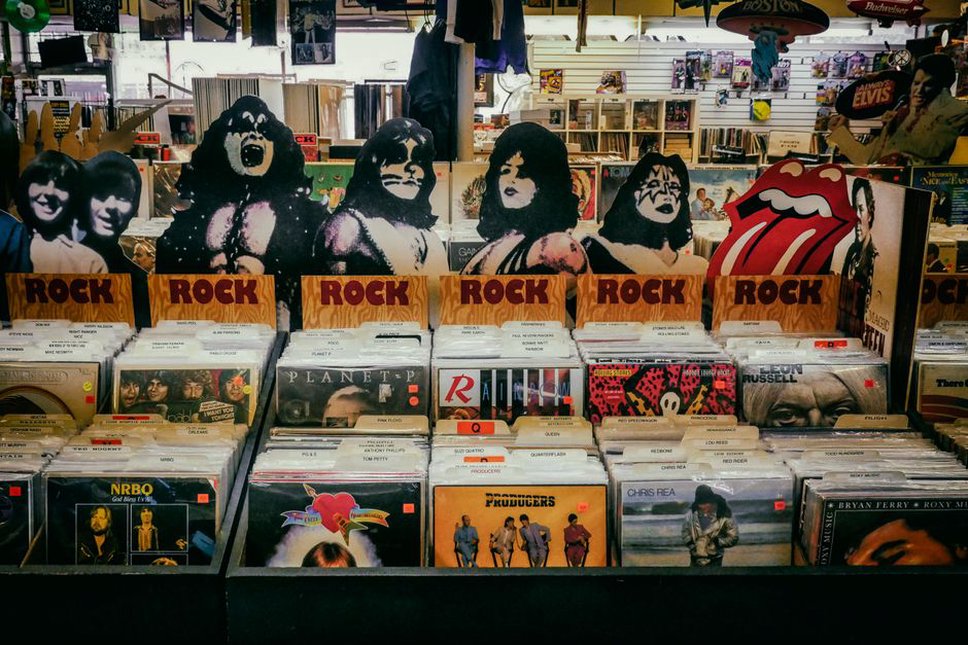
A defining feature of the Finnish thrash metal scene was its focus on independent releases. Local labels like Spinefarm Records and Svart Records were instrumental in supporting the scene, often releasing limited edition vinyl records that have since become collector's items. This dedication to quality and authenticity resonated with fans, who valued the tangible connection to the music.
Many bands also opted to self-release their music, bypassing the often restrictive nature of major labels to ensure their creative vision remained intact. Bands like Lost Society and Axegressor exemplified this approach, with Axegressor's rare demo, as discussed in our article on The Phantom Demo, becoming a prized possession among collectors.
Thriving Concert Scene
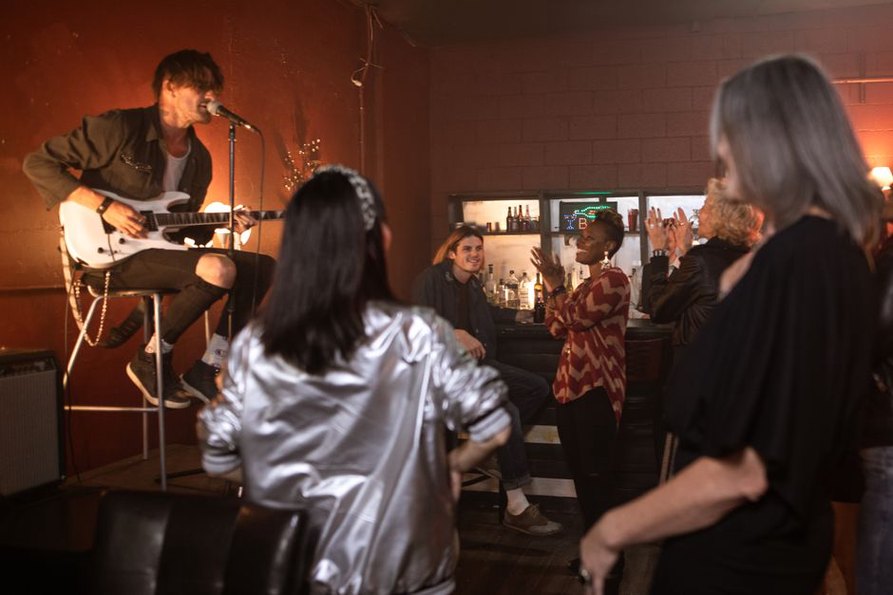
The DIY ethos extended beyond recordings to Finland's bustling concert scene. Small venues and community halls hosted electrifying performances, where the energy of the crowd matched the intensity of the music. These gigs were often organized by the bands themselves or by local enthusiasts committed to promoting the scene.
- Grassroots Organization: Bands frequently collaborated, sharing equipment and resources to make concerts happen.
- Intimate Venues: The small size of many venues allowed for a close-knit experience, fostering a strong sense of community.
- Festival Appearances: Finnish thrash bands also made their mark at larger festivals, showcasing their talent alongside international acts.
European Tours and International Reach
Although rooted in Finland, the influence of Finnish thrash metal soon spread beyond its borders. Bands embarked on European tours, sharing their music with a broader audience and forming connections with international acts. This not only raised the profile of Finnish thrash metal but also facilitated an exchange of ideas and influences across different metal scenes.
For further insight into how Finnish thrash metal bands influenced the European scene, you can explore our detailed examination in The Impact of Finnish Thrash Metal Bands on the European Scene.
Sound and Aesthetic: A Nod to Tradition with a Modern Twist
Musically, Finnish thrash metal bands drew heavily from the classic thrash metal sound of the 1980s, characterized by fast tempos, aggressive guitar riffs, and intense drumming. However, they infused these elements with a distinct Finnish flair, often incorporating melodic elements and complex song structures.
The aesthetic of Finnish thrash metal also paid homage to its roots while embracing a contemporary edge. Album covers often featured intricate artwork that reflected the themes of rebellion and social commentary prevalent in the lyrics.
Community and Legacy
The DIY spirit of Finnish thrash metal fostered a tight-knit community where fans, musicians, and organizers worked together to sustain the scene. This communal approach not only ensured the survival of the genre but also left a lasting impact on the cultural fabric of Finland.
As the scene evolved, the legacy of Finnish thrash metal continued to influence new generations of musicians and fans. The lessons learned from this era of DIY culture are still evident today, as bands continue to prioritize authenticity and community over commercial success.
For a deeper exploration of the cultural impact and historical significance of Finnish thrash metal, consider reading our article on The Legacy of Finnish Thrash Metal: A Cultural Phenomenon.
Conclusion: A Movement Rooted in Passion
From the modest beginnings in basement rehearsals to stages across Europe, the Finnish thrash metal scene of the late 2000s to mid-2010s stands as a testament to the power of DIY ethics. By prioritizing creative control, community involvement, and international collaboration, Finnish thrash metal bands not only preserved the essence of the genre but also propelled it into new territories. This era continues to inspire musicians and fans alike, embodying a spirit of independence and passion that remains at the heart of thrash metal.