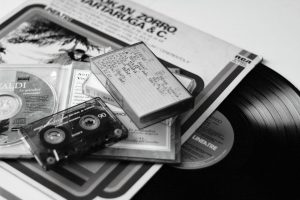
A concert flyer did little good unless it reached people who might come to the show. For a small Finnish thrash band in the late 2000s, that could mean leaving handbills at a record shop or another metal gig, and pinning a poster to a rehearsal-room noticeboard. The date might also appear on a venue calendar, a band page and a forum thread. Each reached a slightly different crowd. The job was to make those notices work together.
Between roughly 2008 and the mid-2010s, inexpensive recording tools and online platforms made it easier to put music out, but not necessarily to get it heard. An uploaded song could travel farther than a flyer, or vanish among countless other uploads. Local promotion attached a release or gig to a place, a date and people who could recommend it. It gave listeners a reason to attend, pick up a recording or bring a friend.
What promoters were trying to accomplish
For an underground band, promotion seldom meant a large advertising budget. The immediate aims were smaller: draw enough people to a local bill to make another booking possible, help listeners remember an independently issued demo, or reach someone in the next city. Musicians and friends often did much of the work themselves. The person arranging a show might design the poster, contact the other bands, collect admission and photograph the set.
Those overlapping jobs mattered. A band's reach depended partly on who could offer a room, lend equipment, print flyers or introduce it to an organizer. Such help did not always appear in release credits. A good night did not necessarily lead to a record deal or a European tour, either. More often, it meant that people recognized the band's name the next time it appeared on a bill.
One show, several routes to the audience
Before a gig notice could stir interest, it had to give people the basics: who was playing, where, when, the admission price and any age restrictions. A wall poster might reach someone who had never heard the band. An event invitation reached people already connected to the musicians. A mention by another act on the bill carried a recommendation to its own listeners. Local music media and independent publications could supply context, especially if they had heard a recording rather than simply copied an announcement.
None of these routes replaced the others. A band page made updates easy; a printed flyer stayed visible to someone who would never look up the band online. Word of mouth might persuade a person who had passed over both. Keeping the details consistent was part of the work, particularly if the venue or running order changed.
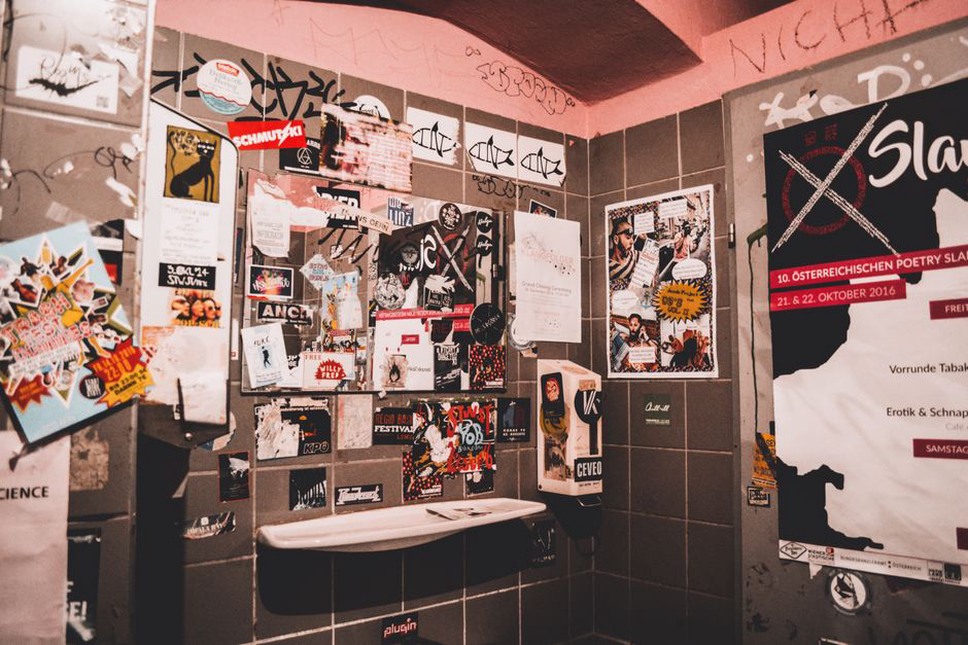
The physical work behind a local bill
Finnish towns and cities had different mixtures of youth spaces, bars, clubs and larger stages. Finding a room did not automatically bring in a thrash audience. Someone had to put together a bill that made sense locally, settle the practical arrangements and give listeners enough notice. Pairing a new act with bands that already drew a local crowd could help, though those bands needed a reason to share the night too.
The work did not stop when the doors opened. A band could bring flyers for its next date, offer recordings at the merch table, thank the other acts publicly or send a useful photograph to the organizer afterward. Small gestures like these linked appearances that might otherwise have remained isolated. A well-attended show could still leave little trace for anyone who missed it.
Flyer design helped people identify the music quickly. Angular lettering, aggressive illustration and nods to classic thrash spoke to a metal audience even on a cheap print job. But the practical details had to remain readable: a striking logo was no use if the venue name got lost beneath it. Demo sleeves and online banners faced the same problem. Recognition mattered more than expensive production.
How recordings became promotional tools
A demo or short independent release was more than a record of the songs. It gave organizers, other bands and potential listeners something to hear before a booking. A physical copy could change hands at the merch table or go out by post with a note; a digital track could travel in a message. Neither guaranteed attention. Accurate contact details, clear track information and music that represented the live set made the recording easier to use.
Shows worked in the other direction. Someone who had just heard the songs live had a reason to take a copy home, especially when ordinary retail distribution was out of reach. A limited budget might dictate the format, packaging and number of copies, but an elaborate object was not essential. A plainly labelled release that interested listeners could obtain did more promotional work than an impressive-looking one they could not find.
This is related to, but distinct from, the history of labels distributing Finnish thrash. Grassroots promotion happened closer to the meeting between a band and a possible listener. A label might carry a record farther, while the musicians still had to announce a local release show, answer inquiries and remain visible between releases. A group without label support could also build a modest following through repeat gigs and direct sales. That did not, by itself, make the band nationally known.
What a small release needed to communicate
- Identity: a consistent band name and artwork that listeners could connect to a live performance.
- Sound: enough finished music for an organizer or fan to judge whether the act suited a bill.
- Contact: a usable way to reach the band for bookings or questions, appropriate to the period of release.
- Context: track titles, personnel or recording notes when available, so a copy remained intelligible after the initial exchange.
Those details now help collectors and archivists as well as the release's original audience. A surviving disc or tape without a date should not automatically be assigned the year of its first online mention; it may have circulated earlier or later. Promotional material is useful evidence, but it needs careful reading.
Online reach still needed local trust
Social networks, video platforms and band-hosting pages made it cheaper to publish a track or announce a gig. They also put bands in competition for attention well beyond their own towns. A post could reach listeners abroad, but its view count could not tell you whether anyone bought a release, requested a booking or came to a show.
The most useful band pages offered current show details, a recording people could hear and a way to get in touch. Sharing another band's date helped too. An organizer could circulate one complete poster rather than several conflicting messages. Each participant knew some listeners the others did not.
Digital traces can distort the archival picture. A preserved event page may make one show look better documented than another advertised mainly through paper notices and conversation. Deleted accounts, changes to platforms and missing photographs can hide years of activity. No online record is not proof that nobody tried to draw a crowd.
Why the wider scene mattered
Finnish thrash in this period was not a single organization working from one publicity plan. Older bands had established different approaches to heavy, fast music; younger musicians heard classic thrash alongside other metal and punk styles. A bill, poster or recommendation could bridge those differences. Someone who came for a familiar act might hear a newer band they would not have sought out.
Festivals offered exposure unlike a club show: a band appeared on a larger programme, often before people who had come for other performers. Appearing on the bill was not the same as controlling the event's publicity. For a closer look at the difference between a festival listing and a sustained place in its programme, see the blog's account of Finnish thrash at festivals from the late 2000s to the mid-2010s. A band could also cite a festival appearance when approaching an organizer for a later local date, provided the claim was accurate.
Touring across Europe demanded coordination on a different scale, though the promotional basics were familiar: reliable contacts, clear information for each venue and recordings available before the show. Still, it would be misleading to read every local poster as a first step toward an international tour. Plenty of worthwhile gigs served their immediate community.
Reading the surviving evidence without inflating it
Promotional material records plans. A flyer shows that a concert was advertised, not that it took place exactly as billed. An event listing may retain an early lineup; a poster promising a new release does not prove copies were available that night. Setlists, dated photographs, venue records, contemporary reviews and the recordings themselves can help sort out what happened.
For a particular show or release campaign, compare several small pieces of evidence:
- Check the date and venue on the original flyer against a contemporary venue listing.
- Compare the advertised lineup with dated photographs or a review, if either survives.
- Inspect the release itself for credits, contact details and any stated date rather than relying on a later catalogue entry alone.
- Keep uncertainty visible when the evidence confirms publicity but not attendance, sales or the final running order.
This keeps ordinary underground work from becoming an unsupported success story. A recurring name on local bills shows continued participation, not the size of every crowd. A series of posts shows effort, not how many listeners were persuaded. Sparse surviving evidence should not erase the unpaid work behind a recording or show, either.
A paper flyer can say more than a bare database entry. It may place a young thrash group beneath an established headliner, give the door time and preserve the spelling of a band's name as it appeared then. A release insert may carry the address used for bookings. Read alongside other dated traces, such details show how people were invited to a particular night—not just that the night appeared on a calendar.