For a Finnish thrash band, a festival slot was rarely a simple reward for a strong record. On bills led by melodic death metal, doom, folk metal, or established international names, a compact thrash set had to make its case fast: a recognizable riff, a clear rhythmic attack, and a performance that could move listeners who had not come specifically to see the band. Between the late 2000s and the mid-2010s, festivals became an important public proving ground beyond the club circuit.
Finland’s established festival culture brought local acts before mixed crowds of dedicated metal fans, casual day-ticket holders, and visitors from abroad. For revival-minded thrash groups, these shows kept the style visible within a national metal scene more often associated internationally with melodic and atmospheric forms. This was not a separate thrash-festival circuit, but a continuing presence within broader metal events.
Why festival stages mattered
Club shows remained the natural setting for underground thrash. They allowed longer sets, close contact with regular supporters, and bills built around compatible bands. Festivals did something else: their tight schedules and varied lineups put artists in front of listeners who might never otherwise hear a demo, independent EP, or small-label album.
That mattered for bands drawing consciously on 1980s speed, palm-muted riffs, shouted refrains, and sharp lead-guitar work. At a festival, those qualities could register almost immediately with an unfamiliar audience. A forceful opening song mattered more than a long introduction, while a tight closing number could stay with listeners as they headed for another stage.
The value was logistical as well as artistic. Promoters, journalists, photographers, label representatives, and musicians from other regions gathered at the same events. A dependable support slot could create useful contacts, though it offered no guarantee of a breakthrough. Festival appearances were one part of a larger system of rehearsals, self-financed recordings, local promoters, merchandise tables, and carefully planned touring.
Thrash as contrast on mixed bills
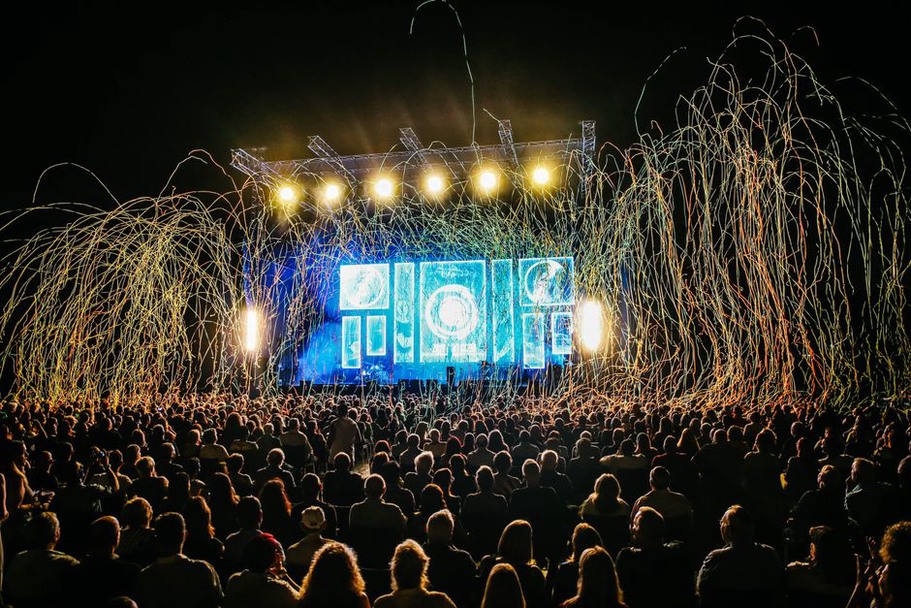
Finnish metal festivals often programmed several subgenres on the same day, and that variety could make a thrash band immediately distinctive. Where some sets relied on broad atmosphere, keyboards, or extended arrangements, thrash brought abrupt tempo changes, percussive riff cycles, and a direct exchange between band and crowd. The contrast could help sustain momentum across a long day.
Still, thrash was not interchangeable filler. A convincing festival performance required control. Fast material can become indistinct outdoors or through an unfamiliar sound system, especially when drums and guitars compete in the same frequency range. Bands that worked well on larger stages usually relied on defined guitar tone, audible bass attack, disciplined starts and stops, and songs varied enough to keep a short set from collapsing into one blur of speed.
Set construction under festival conditions
Festival slots often called for different decisions than a dedicated headline show. Rather than presenting a full discography, a group needed a concentrated sequence that established its identity quickly. Practical priorities often included:
- Opening with an immediate riff: material that establishes tempo and guitar character without a lengthy buildup.
- Balancing speed and weight: including a mid-tempo section or heavier song so the fastest passages retain impact.
- Leaving space between songs: brief tuning and communication breaks that keep the set orderly without damaging momentum.
- Choosing recognizable refrains: choruses or shouted lines that unfamiliar listeners can follow after one hearing.
- Respecting the running order: ending on time, since delays affect every act scheduled afterward.
These choices show why crowd size alone is a poor measure of a festival set’s value. A mid-afternoon appearance on a secondary stage could still matter if the band sounded prepared, sold records legally at its table or through an authorized distributor, and left a professional impression on people active in the scene.
Local identity, international language
The late-2000s thrash revival was international, yet Finnish participants were not simply reproducing a distant template. Their work existed alongside the country’s older thrash history, including the foundational example of Stone, and emerged from communities accustomed to serious musicianship and crowded metal calendars. The musical vocabulary was familiar across borders, but the route to public visibility remained local: rehearsal rooms, youth centres, small venues, regional contacts, and domestic festival lineups.
English-language lyrics and the shared grammar of classic thrash helped Finnish groups communicate abroad without much explanation. The strongest acts, however, understood that retro style could not rest on costume alone. Songwriting, ensemble precision, and a recognizable guitar approach mattered more than reproducing a particular decade’s clothing or cover art.
For a closer account of how Finnish players developed this musical vocabulary, the study of Finnish thrash metal guitarists traces the riffing and lead-guitar traditions behind the style’s forceful live character.
Festivals as gateways to European circulation
Domestic festival exposure could support European touring without replacing it. Visiting bands, promoters, and fans encountered Finnish artists at events, while Finnish musicians could observe how peers from Sweden, Germany, the Baltic region, and elsewhere presented themselves on larger bills. Shared appearances built practical familiarity across the underground: who could deliver live, which groups had recordings available, and where a future exchange show might be feasible.
The scale of that circulation should still be kept in perspective. Most independent Finnish thrash acts did not move directly from a festival set to major international recognition. Travel costs, limited touring budgets, day-job commitments, and competition for slots remained serious constraints. The more typical path was gradual: a local date, a regional support bill, a festival appearance, a self-released or independently issued record, then selected shows abroad when contacts and resources allowed.
| Festival function | What it could provide | What it could not guarantee |
|---|---|---|
| Mixed-genre exposure | New listeners beyond the thrash audience | Long-term fan loyalty |
| Professional visibility | Contact with promoters, media, and other bands | Booking offers or label support |
| Performance development | Experience with timed sets and large-stage sound | Perfect technical conditions |
| Scene connection | Face-to-face links across Finnish and European networks | Affordable international touring |
What listeners can look for in festival documentation
Festival posters, running orders, flyers, photographs, reviews, and officially released live recordings are useful historical sources, though each has limits. A poster shows that an act was announced; it does not prove that every scheduled set took place. A review may preserve a sense of crowd response, but it remains subjective. Official video and audio are especially useful for assessing arrangements, stage sound, and audience interaction when the recording date and event details are clearly credited.
Collectors researching this period should compare festival material with band discographies, reputable print coverage, and official artist or organizer archives. This helps prevent partial memories from hardening into false certainty. It also gives proper weight to smaller bills, where a group may have built its reputation before reaching a better-known event.
When documenting a band’s live history, the most reliable final step is straightforward: match a claimed festival appearance with the event’s official running order and contemporary evidence. That may mean checking a poster against a review, a dated photograph, or an officially credited recording. Such cross-checking is especially important for short sets between stylistically different bands, where a disciplined performance may have mattered to the band’s development even if it left only a small paper trail.