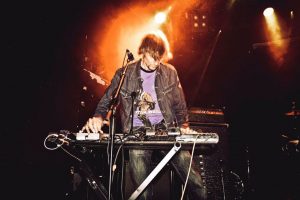
A cut on the snare can make a thrash riff feel faster without changing a note of the recording. Follow it with a close-up of the picking hand, then a wide shot of the band, and the music acquires a visible pulse. In Finnish thrash videos from the late 2000s to the mid-2010s, that interplay often tells us more than the production budget does. A plain performance clip can reveal a band’s priorities more clearly than an elaborate fictional storyline.
Performance as the visual backbone
Thrash relies on coordination the camera can show: the guitarist’s picking, the drummer’s shifts between beats, the vocalist’s stance at the microphone. Those details give viewers something to connect with what they hear. Cutting on every accent can obscure the playing, though. Hold a shot through a riff change and you can see the band working together, rather than a series of isolated musicians pasted over a finished track.
A staged performance video is not necessarily a live document. The band might be filmed in a rehearsal room or warehouse while a studio recording supplies the soundtrack. Performance is the clip’s visual language, not proof of how the audio was captured. Amplifiers and microphones lend a sense of proximity and work; lighting, camera placement and editing decide whether that sense carries the force of the song.
The camera’s version of speed
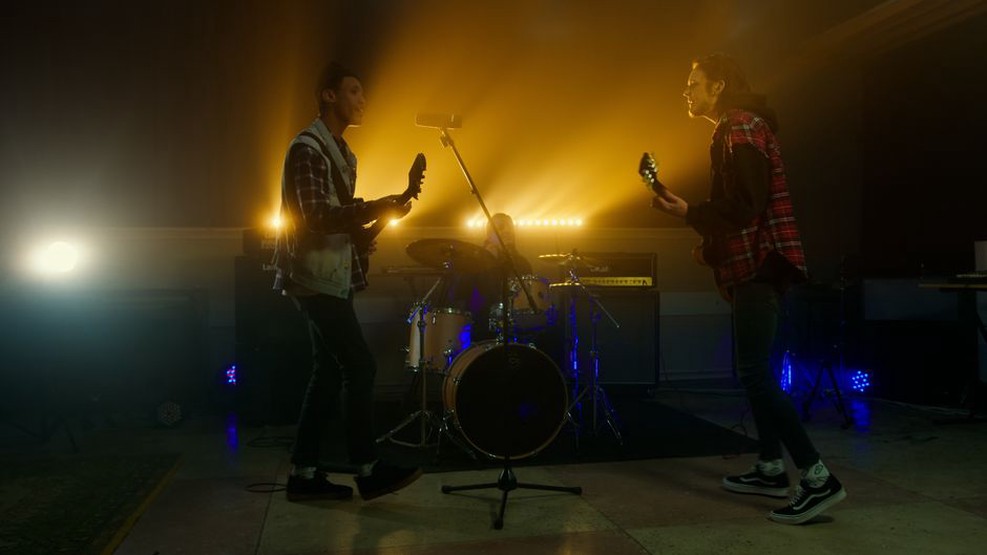
Fast music does not demand short shots throughout. A close-up can sharpen the attack of a riff; a steady wide shot can show how guitars, bass and drums respond to one another. A cut at the start of a new section gives the change weight. Cut indiscriminately to every beat, and a tense build may look much like a full-speed chorus. The moments when an editor holds a shot can be as telling as the cuts.
What a small production can do well
An independent band does not need elaborate effects to make a recognizable video. One location can provide a consistent backdrop, while strong contrast keeps moving hands and instruments legible against a dark room. Grain, monochrome and rough textures can evoke underground metal, but they may also make practical sense when lighting and shooting time are limited. It is unwise to assume every such choice is a deliberate throwback; it may be aesthetic, economical or both.
Other clips introduce a character, an object or events away from the band performance. What matters is the relationship those images have with the song. A narrative can extend a lyric, add irony or make room for a pause between performance passages. Stock images of danger or destruction, on their own, say little about a band’s lyrical perspective. The words, images and recording are related evidence, not interchangeable statements.
Continuity across a release has its uses, too. A logo, typeface or recurring color scheme can tie a clip to cover art and promotional material without making it feel like an advert. When a video circulated apart from a physical record, those cues helped viewers recognize the band even in a compressed upload.
Local rooms, wider circulation
In the late 2000s and early 2010s, online video let Finnish metal bands show overseas listeners more than a track title and a cover thumbnail. Viewers could get a sense of the players’ appearance and performance style before seeing them at a gig or festival. But a video’s existence is not evidence of substantial international reach or a particular touring history. View counts, upload dates and surviving descriptions need context, especially if an older clip has been reposted.
Concert footage tells us something different. Audience movement, stage dimensions and the gaps between musicians can place a band in a particular kind of performance space. A montage from several shows, however, cannot establish what any one complete set sounded like. If a clip names a venue or event, check the claim against the footage before treating it as documentation. That matters when tracing a band’s path between small club bills and larger festivals; the changing Finnish thrash festival line-ups of the period offer another record, but they cannot identify where a video was shot.
How to read a video as a historical source
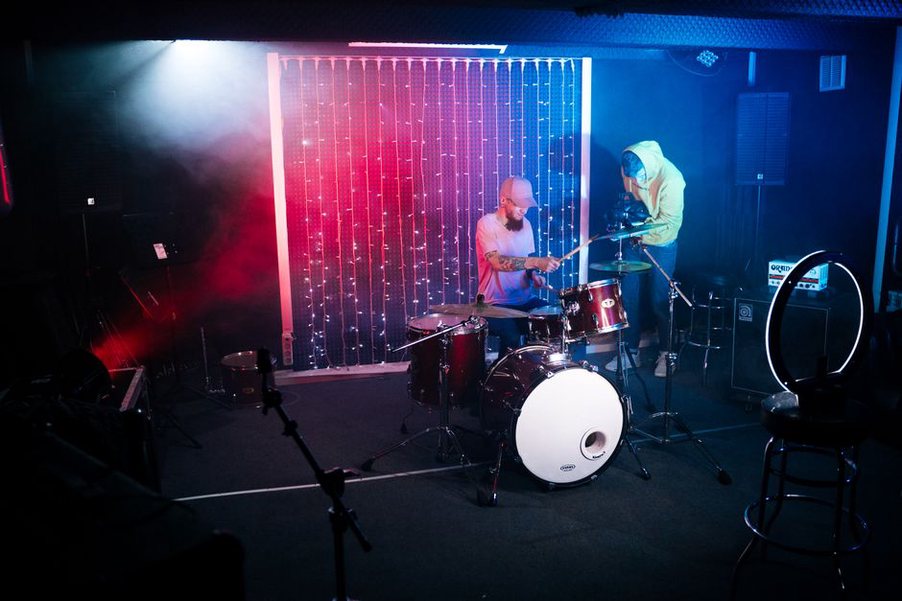
A music video preserves choices an audio release cannot: who gets a close-up, whether the group favors humor or severity, and how much space it gives to invented scenes. It hides things as well. A polished soundtrack may accompany footage shot weeks later; a convincing crowd sequence might show only moments from a concert. A few checks help separate what the clip shows from what it merely suggests:
- Identify the version. Check whether it is an official upload, a later reupload, a lyric video or a fan edit before attributing its choices to the band.
- Separate dates. The song’s release, the filming and the upload may have happened at different times.
- Listen through an edit. Audio that continues unchanged across locations suggests the clip illustrates a recording rather than one uninterrupted take.
- Check credits. Directors, camera operators and editors may be named; do not guess at missing credits.
- Describe what is visible. A crowded frame is not, by itself, evidence of a sold-out venue.
For collectors and scene researchers, these checks are especially useful when several uploads feature the same song. An official video, a rehearsal performance and a fan-filmed set might share audio or imagery but answer different questions. Record the title as displayed, the credited participants and the upload date. Then note one concrete visual choice—perhaps a shot held across a drum fill—before drawing conclusions about the band’s wider style.