
A Finnish thrash band can look central on a festival poster yet play an early afternoon slot on a mixed-metal stage. The poster tells you it was booked; the timetable shows its place in the programme. To trace how line-ups changed between the late 2000s and the mid-2010s, it helps to read the running order, stage assignment and billing alongside the styles of the surrounding acts. Together, those details show where organisers made room for thrash within a broader metal bill.
Thrash within the mixed-metal bill
Finland’s thrash history predates those years. Stone remains a reference point for the country’s late-1980s scene, but the bands that followed played festivals rarely divided into neat subgenres. A speed-driven thrash act might share a bill with melodic death metal, traditional heavy metal or hardcore-influenced music. That did not necessarily dilute its identity. It put a specialist sound in front of listeners who had come for several kinds of metal.
For a developing band, an early festival slot was unlike a headline club show. Short sets called for songs that made an immediate impression and changeovers that worked on a tight schedule. The musicians could not count on the crowd knowing their recordings. Even so, the slot could reach a larger, more varied audience than a local gig. A poster cannot tell us how many people watched or how they responded.
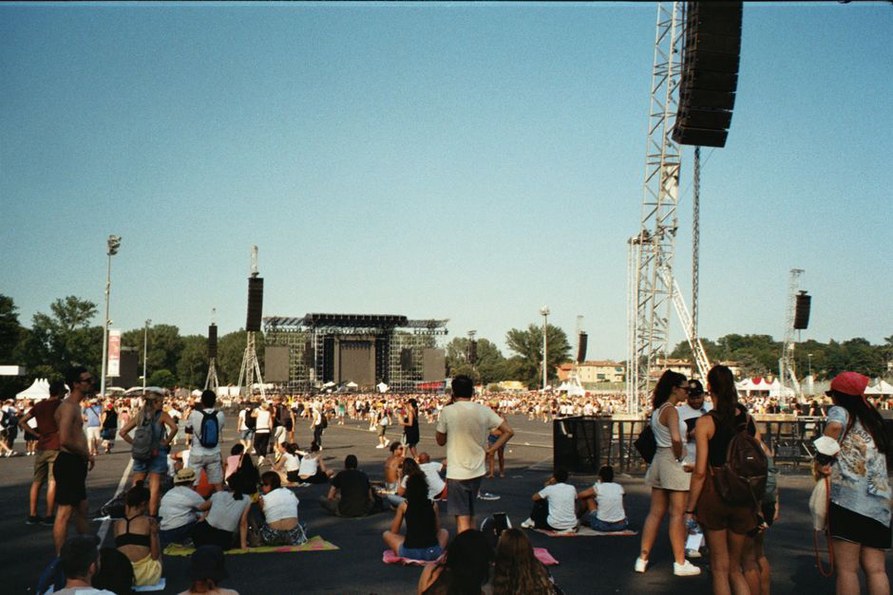
From local opening names to recognisable revival acts
What changed in the late 2000s
In the late 2000s, renewed interest in classic thrash gave younger Finnish bands a recognisable sound and look to take to promoters. Tight, fast riffs and an old-school presentation could sit comfortably beside established international acts on a festival bill. One Finnish booking, though, did not make a mixed-genre event a thrash festival. Repeat appearances, better slots and bills shared with related bands tell us more about a group’s developing place in the programme.
The kind of festival matters. An underground gathering might book several thrash bands together for listeners already invested in the style. A large general metal event might offer one band a broader, less specialised audience. Neither booking automatically amounts to a greater artistic endorsement: one points to a network of musicians and fans, while the other shows that the band could work within a varied bill.
There were practical hurdles, too. An independent release gave listeners and organisers something identifiable to hear, but playing a festival also meant sorting out equipment, travel and a dependable live set. If a young band returned after another release, that might suggest growing visibility. It does not establish record sales or a lasting change in status.
Records and placement in the early 2010s
By the early 2010s, Finnish thrash listeners had more than one contemporary take on the style to follow. Lost Society’s 2013 debut, Fast Loud Death, gave the band a recorded reference point beyond its live shows. Its high-speed, direct approach was easy to recognise on a varied bill. Promoters could group a thrash act with other fast guitar bands, put it between contrasting styles or open a stage with an energetic set.
Being on a festival bill is not the same as being positioned prominently on it. Poster type size, time of day and stage assignment may tell different stories. A small-print act might play to a busy indoor room, but without attendance evidence, that impression cannot be reported as a measured audience.
How to read a changing line-up
Programmes become more revealing when read in sequence rather than collected as isolated trophies. Posters and schedules can help distinguish several kinds of change:
- Repeat appearances: a band was booked again, though the reason may not be documented.
- Running-order movement: a later or longer set marks a different programmed role, not necessarily a bigger crowd.
- Thrash clusters: several related acts on one bill suggest space for a specialist audience.
- Mixed-genre placement: a lone thrash band among other metal styles shows how the sound fit a wider event.
- Billing language: nationality, genre labels and recent records reveal how a poster presented a band to ticket buyers.
Dates and sources matter here. An early announcement may differ from the final running order if a band withdraws or the schedule changes. An event’s artist list does not prove that two groups played the same day, much less the same stage. For those claims, a dated timetable is stronger evidence than a promotional poster.

European connections without a simple ladder
International bookings add another dimension. A Finnish thrash band playing alongside visiting acts whose records helped define the genre gave local listeners a chance to hear their approaches close together. Finnish groups also met European festival audiences through travel and touring. But there was no simple progression from small Finnish stages to large foreign ones: a band’s slot could vary sharply with the event’s size, audience and musical focus.
Shared bills did not mean shared musical aims. Bands drawing on classic thrash differed in their vocals and production choices, as well as in how they balanced speed with groove. Festivals let listeners hear those differences over the course of a day. The account of shared stages and different sounds in Finnish thrash offers more context for reading adjacent bookings without treating the bands as interchangeable.
The paper trail is uneven. A small event might leave a flyer but no surviving timetable; a larger festival might preserve a detailed schedule while leaving out the informal contacts behind an opening slot. Coverage tends to favour headliners, too. For the mid-2010s, it is safer to describe a documented change in one band’s placement than to claim Finnish thrash as a whole climbed a single festival hierarchy.
For each appearance, record the event name and year, the band name exactly as printed, the date, stage and set time. Mark whether each detail comes from an announcement or a final schedule. That distinction keeps a cancelled booking separate from a performed set—and gives you a sound basis for comparing it with the following year’s line-up.