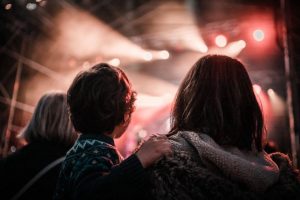
The space in front of a thrash stage can change character within a song. One listener watches the guitarist’s hands; another looks for a friend between numbers; a fast passage sends part of the floor into a mosh pit. None of this describes every Finnish thrash fan, or even a whole night. In the late 2000s and through the mid-2010s, taking part could also mean buying a band’s recording, standing back to listen, or returning for the next local bill. The audience did more than receive the music.
A scene without a single kind of fan
Finnish thrash had familiar musical touchstones: rapid, tightly articulated riffs, forceful drums and a debt to earlier metal. Its listeners did not share a single route into the music. Some came through classic thrash records; others followed Finnish metal more broadly, played in bands themselves or arrived with friends. Bills that paired thrash with punk or other heavy music brought different tastes into the same room.
That matters when reading an account of a show. The person at the front might know every chorus; someone at the back might be hearing the band for the first time. Neither position tells us much about long-term commitment. For a small band, a returning listener, a friend who offers a lift and a fan who buys a physical release each helps in a different way.
Even “fan” can be too narrow a label. On a modest local circuit, people in the audience might also play music, take photographs, design posters or help set up a show. An archive is on firmer ground recording what a source shows—a performance attended, a record purchased, a photograph taken—than assigning someone a permanent role in the scene.
What a shared room makes possible
Fast music makes an immediate physical connection, but community takes repeated encounters. At smaller shows, listeners can recognize faces, compare bands after a set and learn which venues or promoters put on the music they want to hear. Between performances, a particular riff, song or recording can give strangers something to talk about.
Moshing is the most visible form of participation, but it is hardly a condition of belonging. Its basic etiquette calls for attention to other people: the pit is different from the space around it, and someone who falls needs room to get up. Listeners who want to stay clear should be able to watch without entering. Focus only on the busiest part of the floor, and the conversations and close listening elsewhere disappear from view.
The size and setting of a show change those encounters. A familiar local bill gives people common reference points and an easy opening for conversation. A festival set may put a band in front of listeners who know its name but not its records. One setting deepens familiarity; the other offers a first meeting.
Participation beyond the pit
- Showing up repeatedly: returning for local bills gives bands an audience beyond the brief attention around a release.
- Buying directly when possible: a legitimately sold CD, shirt or other item supports the people behind it and gives the listener a tangible reminder of the encounter.
- Sharing accurate information: passing along a confirmed show date or release title helps others find the music without turning uncertain claims into scene history.
- Making space for newcomers: explaining a band’s name or pointing someone toward its recordings makes it easier to join the conversation.
None of these acts is heroic. Their value lies in being repeated across shows and releases, by many people rather than one indispensable supporter.
Records as points of contact
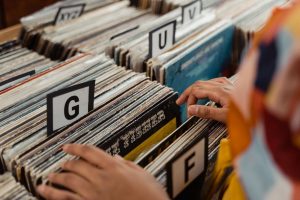
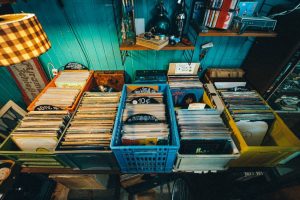
A release could link fans who had never stood in the same venue. In the late 2000s and early-to-mid-2010s, physical recordings remained useful for identifying a band’s work and hearing how it changed. A sleeve might give a title, personnel and credits; the music gave listeners something less settled to discuss. Were the passages clipped and racing, or did slower sections leave room for a riff to develop? Did the recording retain the attack of the live set?
Collecting could be social as well as private. A listener might recommend an independent release to a friend or compare it with an earlier one without settling on a definitive ranking. A shirt could spark recognition at another gig; a CD bought after a set could start a later conversation. Each object gave that exchange a specific band or recording to return to.
Access was uneven. Not everyone could travel to shows or afford every release, and bands did not all reach the same listeners. Ownership is a poor measure of devotion: someone who heard a borrowed record or caught a single set might have a meaningful connection to the music while leaving little trace in a collector’s archive.
When local listeners meet wider circuits
European tours and festival appearances widened a band’s audience without replacing its local relationships. Away from home, a Finnish group might meet listeners whose reference points were international thrash rather than its hometown history. A sharp riff, forceful vocal delivery or the pace of a live set could draw them in. The songs had to keep their attention.
For listeners in Finland, following those appearances could make the scene feel connected beyond their own city. It also makes sweeping claims about “the crowd” difficult. A festival audience, a small local venue and an overseas support slot bring different expectations; attendance cannot tell us who became a lasting fan.
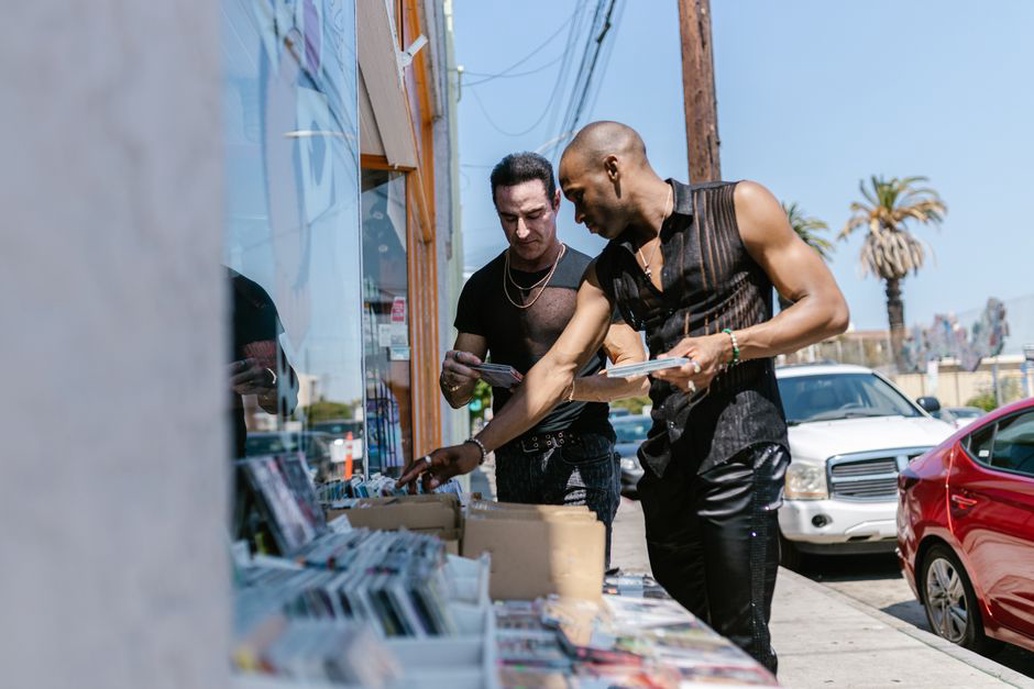
Online discussion could carry a conversation beyond the gig, especially for fans separated by distance. A post, photograph or comment still captures only part of the story. Someone who rarely wrote online might have attended regularly; an enthusiastic poster might never have had the chance to see a band live. For more on the relationships that helped the music circulate, how community sustained Finnish thrash metal looks at those bonds directly.
Reading traces of an audience carefully
Fan history is harder to document than a discography. Releases can be identified, but people’s reasons for listening, staying away or coming back often went unrecorded. A poster proves a show was advertised, not who attended. A crowd photograph catches a moment, not whether the people pictured were regulars. Recollections add texture, though dates and line-ups are best checked against contemporary material where possible.
When examining a surviving item, ask:
- Does it document an event that happened, or only one that was announced?
- Whose participation is visible, and who falls outside the frame?
- Is a claim about audience size supported, or is it an impression?
- Can a release or band name in a recollection be matched to its original context?
A ticket kept beside a purchased CD offers a small, concrete connection: one listener associated a night with a recording. It says nothing certain about how the whole room felt. Record the date and venue as printed on the ticket, then identify the CD edition from its sleeve. Those details make a more useful archive entry than a claim that the show changed the scene.