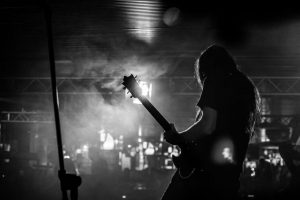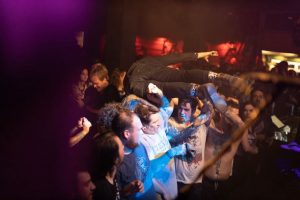
A support slot might pay a Finnish thrash band very little, yet still be worth taking. It put the musicians in front of another band’s audience and introduced them to its sound crew and organizer. A good night might lead to another booking or a place to sleep on the road. Between the late 2000s and mid-2010s, exchanges like these helped sustain a scene spread across cities rather than centred on one club.
Community did not mean every band sounded alike or knew every other band. It meant musicians, listeners, promoters and collectors kept making room for one another. A bill depended on bands sharing equipment and stage time; a self-released recording needed people willing to listen, talk about it and bring it to the next show. Those modest contributions are easy to miss beside a festival appearance, but they kept local activity going between bigger events.
A network of rooms, not one headquarters
Finland’s geography made those ties harder to maintain. Helsinki, Tampere, Turku, Jyväskylä and other local scenes had their own bands and audiences, while travel between them took time and money. For a group playing outside its home area, a contact who knew the right venue, could put together a compatible bill and could publicize it locally was valuable. The visiting band might return the favour when the host group came to its town.
These were not always formal deals. A connection could start with a conversation after a set, or a listener handing a recording to someone who booked shows. It gained weight through repeated encounters: promoters saw whether bands arrived prepared and kept to the schedule; musicians learned which organizers communicated clearly. Trust came from working together, not just from sharing a genre.
Access mattered too. Ticket prices, age restrictions and transport shaped who could attend. If a show ended after the last bus, younger listeners and people from nearby towns might struggle to get home. A packed room does not mean everyone who wanted to be there had the same chance.
Shared work behind a live set
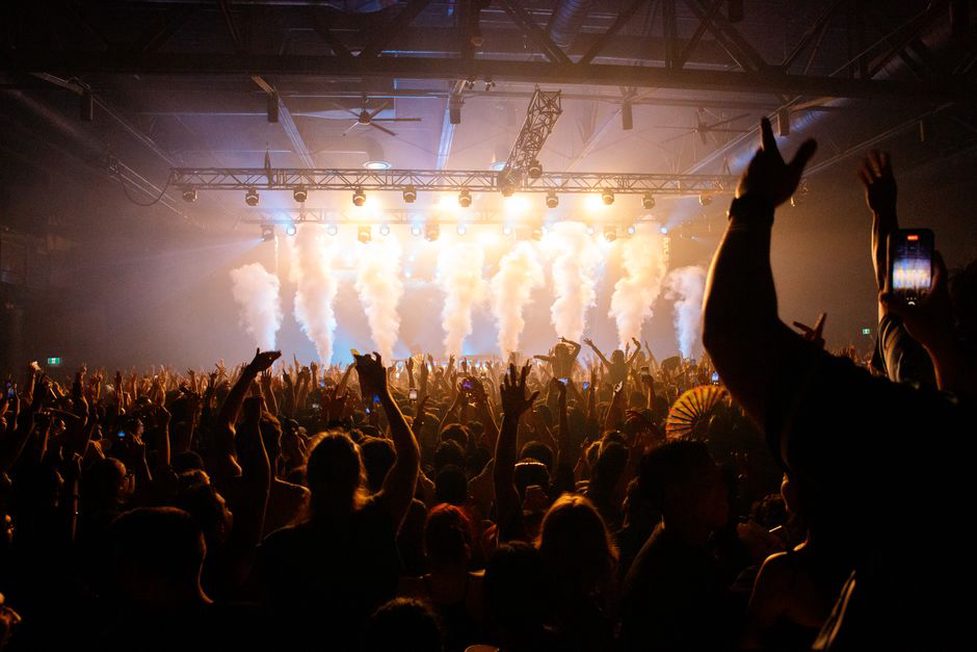
Thrash placed particular demands on a shared bill. Fast, tightly timed songs required stage sound clear enough for players to hear one another, and changeovers had to leave time for several acts. Bringing a full set of equipment to every small venue was not always practical. Agreeing beforehand on drums or amplification that everyone could use helped prevent delays. When an evening ran well, an organizer had more reason to book another ambitious bill.
An opening slot could reach listeners who had come for a different kind of heavy music. Finnish thrash activity sat alongside death metal, punk, hardcore and more traditional metal; mixed bills let people hear those differences for themselves. Someone could buy a demo or come back for another set without taking on a scene-wide identity. Sharing a stage did not flatten the music, either. Old-school speed and gang-shout choruses sounded different from heavier grooves or Finnish-language vocals.
What participation looked like
- For musicians: arranging shared equipment, watching other sets and recommending dependable contacts in the next town.
- For organizers: pairing bands with likely audiences while giving each enough time and space to play properly.
- For listeners: turning up for local support sets, discussing new recordings and buying releases directly when available.
- For collectors and writers: keeping accurate release details and separating firsthand observations from promotional claims.
The roles overlapped. A musician might help run a show; a fan might photograph a set or write for a fanzine. That overlap helped a small network keep going, though volunteers could be stretched thin. The word “community” should not obscure the hours, travel costs and equipment bills behind the work.
Records as points of contact
A recording could go where its makers could not. Demos, EPs and albums gave people something to pass along after a gig and gave distant listeners a way to hear a band. Cover art, credits and track lists carried names too: musicians, recording personnel, designers and sometimes bands thanked for their help. For anyone tracing connections, such details say more than a general claim that groups belonged to the same movement.
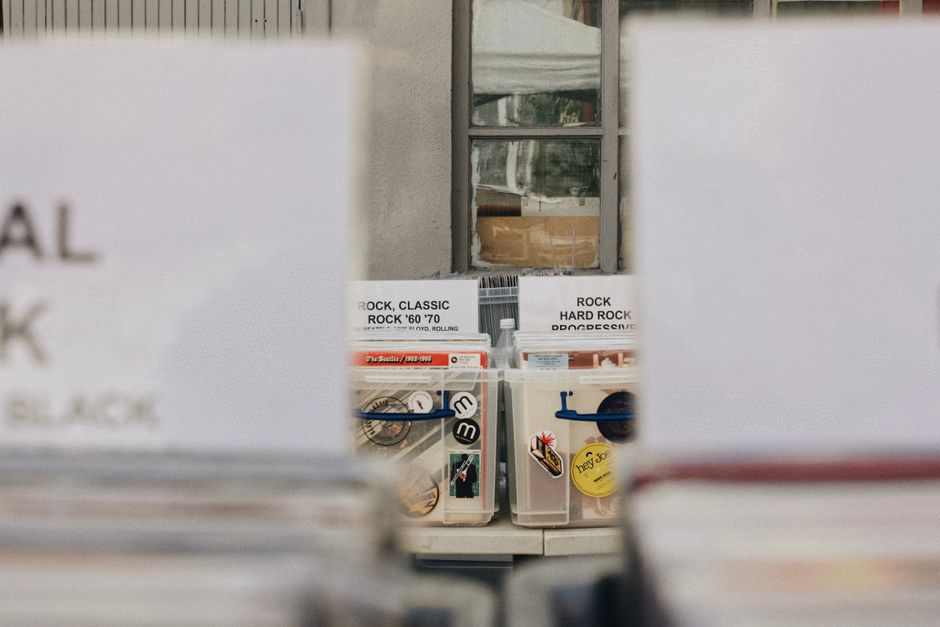
Physical copies served a purpose beyond collectability. At a venue table, listeners could ask about a recording; a touring band could take home a release by an act it had just met. Digital listening later made music easier to find, but it did not replace a conversation at a gig. Someone might hear a track beforehand, then buy the release at the show.
Finnish thrash’s recorded history extends well before this period. Stone’s 1980s work remained a reference point for later listeners, while bands active during the revival approached thrash through different generations and styles. Mokoma combined thrash-rooted playing with Finnish-language expression; Lost Society emerged in the early 2010s with a clear commitment to speed and classic thrash energy. Their paths show why community should not be mistaken for a single sound. Bands could share audiences or bills without sharing an artistic plan.
Recognition without a single gatekeeper
Festivals and European touring brought visibility, but they were only part of the network. A band on a larger bill might come home with new contacts and listeners; another might keep close ties through occasional local shows. Neither route, by itself, measures a group’s contribution to its immediate scene. Helping another act find rehearsal space, taking a support slot or welcoming a visiting musician seldom turns up in a discography.
Fanzines, interviews and photographs can recover some of that work, if read with care. A review shows that a release reached a writer, not that it circulated widely. A photograph places performers on the same stage once; it does not establish that they toured together regularly. These limits matter when so much useful exchange happened informally. For a closer look at what such publications preserve, [Finnish thrash fanzines and the bands they documented] examines their value as scene records.
Where the bonds had limits
Shared enthusiasm did not end competition for weekend dates, rehearsal rooms or money. Band members had work, study and family commitments as well. Any account of the scene needs room for acts that stayed local, released little or stopped before reaching a larger audience. Festival slots and overseas dates cannot tell that whole history.
A similar logo or common influence is no proof of a close relationship. Classic thrash supplied a musical and visual vocabulary—rapid picking, sharp rhythmic breaks, forceful vocals and a recognizable look—but connections between people were usually more concrete. They went to the same events, exchanged work or helped put on a show. Musical resemblance alone cannot establish a personal bond.
To trace the connections around a Finnish thrash release from this period, start with its credits. Note any bands thanked, the recording location and the artwork credit, then check those names against dated flyers or contemporary interviews. One shared credit may document a single collaboration. Several independently documented encounters offer firmer grounds for describing a lasting local bond.