
Speed and distortion alone do not make a song thrash metal. Listen to what holds the fast passages together: thrash often centers on sharply articulated guitar riffs, while hardcore punk may rely on a short chord pattern driven forward by the drums. When a band draws on both, the shift can happen within a few bars—a sprinting verse gives way to an accented riff, then snaps back before the arrangement settles into a familiar metal shape.
That distinction matters in Finland, where punk and metal musicians have long occupied overlapping underground spaces. The connection is easier to hear in songwriting than to pin on a genre label. Punk offered thrash players brevity and rough-edged energy; thrash gave punk-rooted musicians room for more elaborate riffs, solos and rhythmic breaks. A band could borrow any of those ideas without changing its identity.
Two traditions, different kinds of speed
Finnish hardcore already had a substantial recorded history before the late-2000s thrash revival. Early-1980s groups including Terveet Kädet, Rattus and Kaaos made short, forceful records that reached listeners beyond Finland. They provide a useful comparison, though their presence in the scene does not mean every later thrash musician borrowed directly from them. Their records showed how much force a concise, abrasive song could carry.
Thrash followed a different musical logic. Stone became a central name in Finnish thrash in the late 1980s, with precise riffing and abrupt changes of direction. This is not a question of punk playing fast and metal playing well; both demand skill. In classic thrash, the riff itself often supplies the hook. A palm-muted figure, an open-chord release and a drum accent can make a passage as memorable as the vocal line.
Tempo, then, tells only part of the story. A fast passage might be a carefully picked thrash riff, a repeated hardcore-style chord progression, or a switch between the two. Listen to how long each idea lasts and whether the song favors sheer momentum or develops the riff.
What the crossover sounds like
Riffs, drums and song length
Punk–thrash connections are often clearest in a song’s structure. A thrash band might skip an extended introduction, open at full speed, use a shouted refrain in place of a melodic chorus, or finish before the expected solo. A punk-rooted band might build around a tightly picked recurring guitar figure rather than a sequence of chords. Those choices tell you more than clothing or cover art.
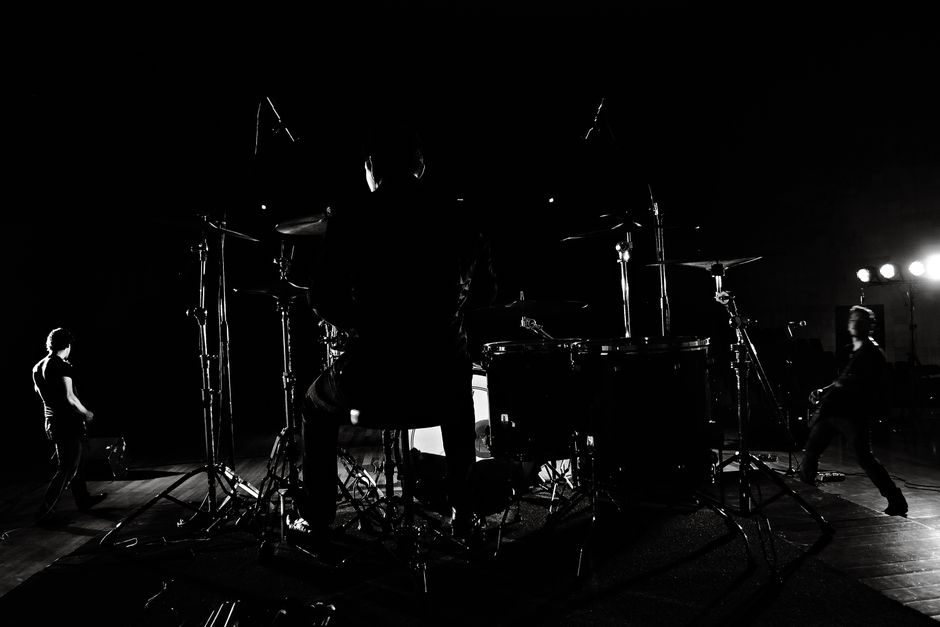
The drums can bring the difference into focus. A steady, driving beat leaves space for an intricate guitar part; a sudden stop gives a simple progression a thrash-like jolt. A slower section might give the crowd room to move, or bring out the shape of a riff that blurred at top speed. Sometimes it does both.
Vocals and production
Harsh vocals are no sure guide to genre. A plainspoken shout may recall hardcore’s direct address, but a rough metal vocal can sit in an equally direct song. Listen instead to where the voice falls: does it follow the guitar accents, cut across them, or turn the lyric into a refrain the room can shout back?
Production can muddy the distinction. An independently released demo might sound raw because studio time was limited, because the band wanted it that way, or both. Rawness on its own proves little about punk influence. If another version of the song exists, compare the arrangements before reading too much into the distortion, drum sound or apparent looseness.
The overlap on records and stages
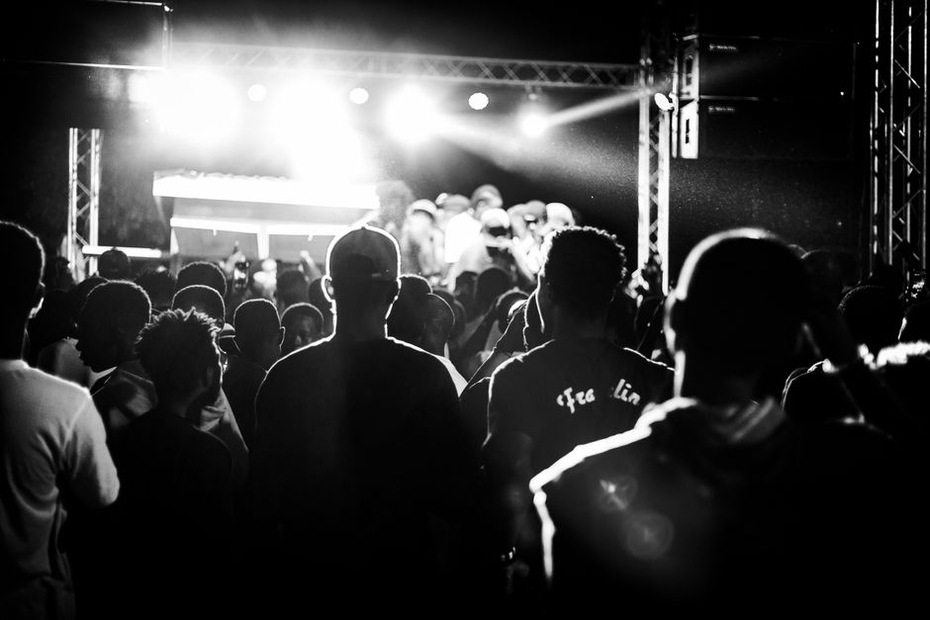
In the late 2000s and early 2010s, Finnish thrash bands played within a wider heavy-music circuit of small clubs, independent releases and festivals. Those shared spaces let audiences hear different approaches to speed on the same night. A mixed bill shows that bands crossed paths, though, not that one adopted another’s songwriting methods.
Physical releases call for the same care. Demos, EPs and albums can trace a band’s changes over time, but a stark sleeve or photocopied-looking insert cannot tell you whether the music is punk. For more on the revival’s social setting, see Finnish thrash revival and youth culture in the 2000s–2010s.
Finnish bands drew on more than this one point of contact. Mokoma, for example, belongs in discussions of Finnish thrash’s later development, but its catalogue cannot be reduced to punk crossover. A passage may have hardcore’s intensity while the song around it draws its structure from thrash or another form of metal. It is more useful to identify the influence in a particular song than to make it a permanent label for the band.
How to hear the distinction on a record
Start with a verse and the section immediately after it. Set aside the sleeve’s genre description and listen for what changes:
- Track the guitar: Does it repeat a compact chord sequence, or move through a riff with distinct picked accents and rests?
- Follow the drums: Do they keep the song moving, mark frequent changes, or do both at different points?
- Time the sections: Does an idea end as soon as it makes its point, or return in a developed form?
- Place the voice: Is it mainly a shouted refrain, or does it fit closely around shifting instrumental phrases?
No single answer settles whether a song is punk or thrash. The revealing moment is often where its priorities change. If you have several versions of a track, replay that same transition in each one. A cleaner later recording may bring out a tightly arranged riff that sounded like a blur on the demo; a live version may show that a short refrain needs no extra instrumental development to carry the room.