A rehearsal room, a borrowed drum kit, and a hand-copied flyer were often enough to turn admiration for classic thrash into active participation. During Finland’s late-2000s to mid-2010s revival, younger listeners encountered thrash not only through older records, but as something they could do: learn rapid down-picked riffs, start bands with friends, attend small club shows, trade demos, and wear designs that signalled shared tastes.
The scale should not be exaggerated. Finnish thrash was a specialist current within a much larger metal culture, and local activity differed greatly according to town, access to venues, and personal connections. Its importance lay less in mass popularity than in the social spaces it sustained. The revival gave participants ways to make music, organise events, and join an intergenerational metal tradition through practices that were usually local and relatively affordable.
From listening habit to active participation
Classic thrash appealed to younger Finnish musicians partly because its foundations were easy to identify. Tight riffing, fast drumming, forceful vocals, active bass lines, and memorable structural shifts could be heard clearly. A teenager with an electric guitar could recognise the techniques involved and attempt them. That did not make the music simple to play, but it made the path from listener to musician easier to see.
For those growing up with readily available digital music, thrash could also encourage a more deliberate relationship with recordings. Looking for an album, demo, patch, or local support band became part of forming personal taste. This was not simply nostalgia for the 1980s. Finnish revival-era bands often used older thrash approaches as a shared vocabulary, shaped by their own rehearsal routines, friendships, recording options, and ties to neighbouring scenes.
Participation usually developed through ordinary channels rather than formal institutions:
- friends sharing music and arranging early rehearsals;
- municipal youth spaces, rented rooms, garages, and other available practice sites;
- small all-ages or low-cost events where new groups could play short sets;
- local promoters, zines, record distros, and informal online networks;
- older musicians and organisers passing on practical knowledge about equipment, bills, and recording.
These routes narrowed the distance between audience and performer. Watching a peer’s band load in, play a set, sell a cassette afterward, and talk with attendees presented a realistic example of how a new project might begin.
Rehearsal culture and the discipline of the riff
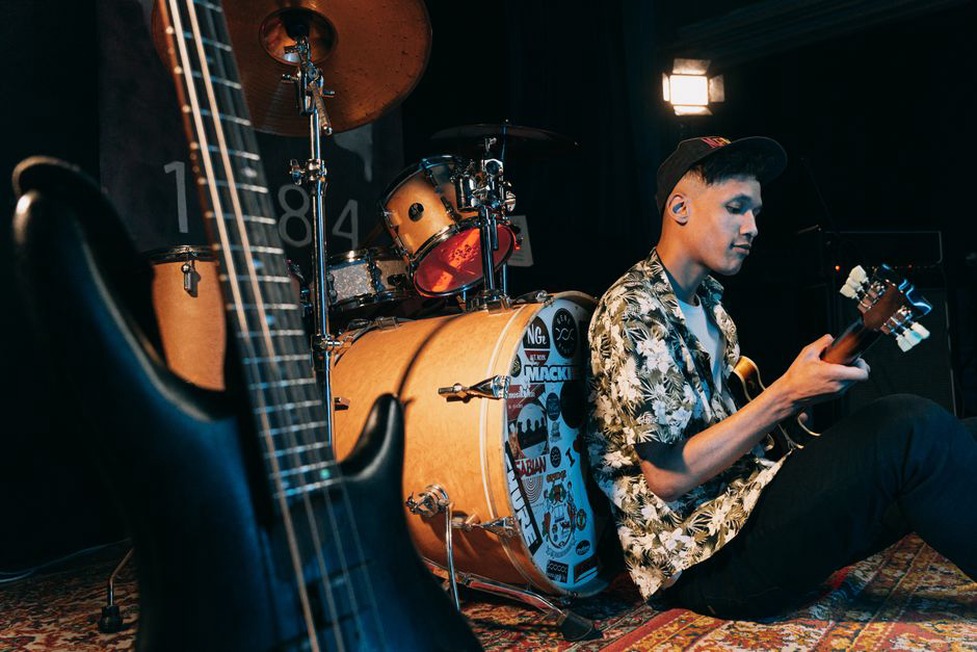
Thrash influenced more than clothing and concert attendance; it shaped routine. The genre demands precision at speed, shared timing, and repeated practice. Young bands had to work through arrangements, decide when a riff was tight enough, and learn to play as a group rather than as separate instrumentalists. Booking a room, carrying amplifiers, arriving on time, sharing costs, and accepting rehearsal criticism were small but meaningful forms of cooperation.
Rehearsal rooms were social spaces as well as workplaces. They allowed musical ambition to sit alongside friendship, experimentation, and the financial limits of youth life. A band might begin with familiar material, then move into original songs as confidence grew. Palm-muted rhythms, abrupt tempo changes, shouted refrains, and sharp guitar leads became tools for collective writing rather than relics to be copied exactly.
Why older sounds could feel current
The revival drew on recognisable visual and sonic references: denim, patches, hand-drawn logos, cassette and vinyl formats, raw yet deliberate production, and riffs indebted to earlier thrash traditions. Their meaning changed in local use. A patch-covered vest could mark membership in a circle of friends and regular shows; a tape could show support for a band met in person; a copied logo might lead someone toward layout work, illustration, or screen printing.
This was selective retro style rather than an attempt to recreate the past in full. Participants used digital recording, online communication, and international listening habits alongside tangible practices such as physical releases, face-to-face gigs, and objects exchanged at a merchandise table after a set. Effort mattered because it could be heard, seen, and shared.
For a closer account of how shirts functioned as both design objects and scene documentation, see Finnish Thrash Metal T-Shirts: Design, Print Culture and Documentation.
Small gigs as youth social infrastructure
Local shows were key meeting points between Finnish thrash and youth culture. They brought together bands at very different stages, from first appearances to more experienced touring acts. In a modest venue, school friends, musicians from nearby towns, older metal listeners, photographers, and volunteer organisers could all end up in the same room. Crowds were often small enough that post-set conversations were part of the evening rather than a rare occurrence.
That closeness had practical effects. Through regular attendance, emerging bands could find future members, support slots, rehearsal contacts, and recording advice. Organisers learned the less glamorous work behind a successful event: confirming set times, communicating with venues, putting together bills that made musical sense, assisting visiting bands with equipment, and keeping the night respectful. Such skills could carry into other settings, though they were learned here through a strong personal investment in the music.
| Scene practice | What young participants learned | Visible result |
|---|---|---|
| Putting together a local bill | Coordination, budgeting, communication | A recurring show or mixed-band event |
| Playing support slots | Stage discipline and audience awareness | Shorter sets leading to wider local recognition |
| Making demos or small releases | Recording decisions, artwork preparation, distribution | A tangible record of a band’s early work |
| Trading patches, shirts, and tapes | Visual identity and scene memory | Personal collections and locally circulated designs |
The concert setting could also create boundaries. Thrash shows have long included physical audience expression, including moshing and movement at the front of the stage. A healthy local culture relied on shared awareness: making room for newcomers, helping people up, respecting venue staff, and recognising that enthusiasm never excuses harassment or reckless behaviour. These standards depend on the conduct of organisers, bands, and regular attendees.
DIY releases and the value of making a record
For young bands, a demo, EP, or limited physical edition could serve several purposes at once. It documented a particular line-up, gave promoters something to hear, and produced an object that could travel beyond one town. Making a release also required decisions: how much rehearsal was needed before recording, whether to favour live energy or instrumental separation, how to sequence songs, and how to credit everyone involved.
Small editions were seldom paths to broad commercial success. Their value was cultural and archival. A cassette with photocopied artwork or a modest CD-R run could preserve traces of a local network: a contact address, a rehearsal-era logo, a thank-you list, or a release date. Such details can later help reconstruct how scenes functioned, provided they are preserved accurately and acquired through legitimate channels.
DIY work created roles beyond performing. Not everyone needed to play guitar or sing. Some people designed flyers, photographed concerts, interviewed bands, operated small labels, maintained mailing lists, or helped at merchandise tables. This expanded the ways young people could contribute according to their skills and resources. The organisational side of the revival is explored in DIY Collectives in Finnish Thrash Metal, 2000s–2010s.
Identity, belonging, and local distinction
Thrash offered a shared language without making participants identical. Listeners in Helsinki, Tampere, Turku, Oulu, and smaller towns could recognise many of the same references while building distinct local circles. Venue access, transport, school schedules, money, and nearby genres all affected what was possible. In one town, a thrash band might share bills with death metal, hardcore, punk, speed metal, or black metal acts. Elsewhere, a dedicated night could depend on a handful of friends willing to organise it.
That local variation makes broad claims about “Finnish youth” difficult to sustain. The scene did not represent all young people, and not every young metal fan embraced revivalist aesthetics. Its influence was concentrated among those who found connection in extreme music and its associated practices. For participants in places where like-minded peers were difficult to find, that connection could matter greatly.
Gender and age also affected access. Metal spaces could be welcoming and cooperative, yet they could still repeat assumptions about who belonged onstage, in technical roles, or at the centre of a crowd. Women appearing as musicians, organisers, photographers, and listeners challenged narrow ideas of who a thrash participant could be. Connections between newer fans and older scene members could likewise be generous and instructive, while still leaving younger people room to set their own priorities.
The limits of nostalgia
Revival culture is sometimes treated as a retreat from the present. In practice, young Finnish thrash participants often used the past as a resource rather than an endpoint. They listened to canonical records while using contemporary platforms, building friendships across distance, and responding to the conditions of their own communities. The strongest local activity came through writing, rehearsing, booking, designing, and documenting—not through owning the right reference points.
This matters when interpreting surviving evidence. A faded flyer or heavily worn shirt can show participation, but it does not automatically demonstrate consensus or scale. A limited release indicates initiative, not necessarily a large audience. Careful scene history distinguishes between what an object proves and what it merely suggests, rather than turning a small set of surviving artefacts into a claim about an entire generation.
European contact and expanded horizons
As bands gained experience, cross-border contacts could widen participants’ sense of what was possible. European touring and festival appearances showed that a group formed locally could reach listeners beyond Finland, usually through patient relationship-building rather than sudden exposure. Musicians returning home brought back contacts, stories, records, and practical lessons about travel, equipment, hospitality, and the differing conditions of underground scenes elsewhere.
These connections did not lessen the importance of local culture. International recognition, when it came, generally rested on the same foundations: dependable rehearsal habits, supportive organisers, usable recordings, and people willing to attend early shows. The local scene was not simply a preliminary step before something larger. It was the setting that made broader movement possible.
How to read the revival’s youth impact responsibly
Researchers, collectors, and later listeners can preserve this history without romanticising it. The strongest evidence usually combines several sources: credited physical releases, dated posters, venue archives, clearly attributed interviews, contemporary reviews, photographs with known context, and personal collections with recorded provenance. Digital posts can be useful, but they may disappear, be edited, or lack reliable dates.
- Record the full band name, release title, format, label or self-release information, and stated year.
- Keep scans or photographs of both sides of flyers, inserts, and tapes, including contact details and credits.
- Separate firsthand testimony from later recollection when describing a show, tour, or line-up.
- Describe small local activity precisely instead of inflating it into a national trend.
- Acquire recordings from artists, labels, shops, or legitimate second-hand sources rather than circulating unauthorised copies.
A useful archive entry can identify a demo’s format, catalogue number where one appears, artwork credits, and the town where it was obtained. Those details keep a recording tied to the youth networks that gave it meaning.