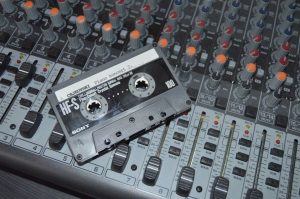
A December discount on an old demo can cause more trouble than interest if its rights are unclear or the archive cannot say which edition it is offering. For a Finnish thrash archive, the starting point is a verified record and a reason to feature it. Readers should also be able to tell what is historical material and what, if anything, is for sale.
Let the archive’s purpose set the boundaries
A seasonal feature might be a listening guide, a small exhibition, a newsletter selection or a temporary offer on an authorised publication. It need not be a sale. Decide first what visitors should get from it: a better grasp of a period in the scene, help identifying a pressing, context for a concert bill or a way to support preservation. Let that purpose guide the selection and its presentation.
A festival-season feature, for instance, could use bills and flyers to show connections between local groups. An archive-produced booklet might accompany it, but the booklet should not become the apparent reason those bands matter. The historical account should remain available to people who buy nothing.
A few standing rules help when a holiday deadline approaches: offer only authorised recordings, label uncertain dates as uncertain, and never give a discounted item more historical weight than the evidence supports.
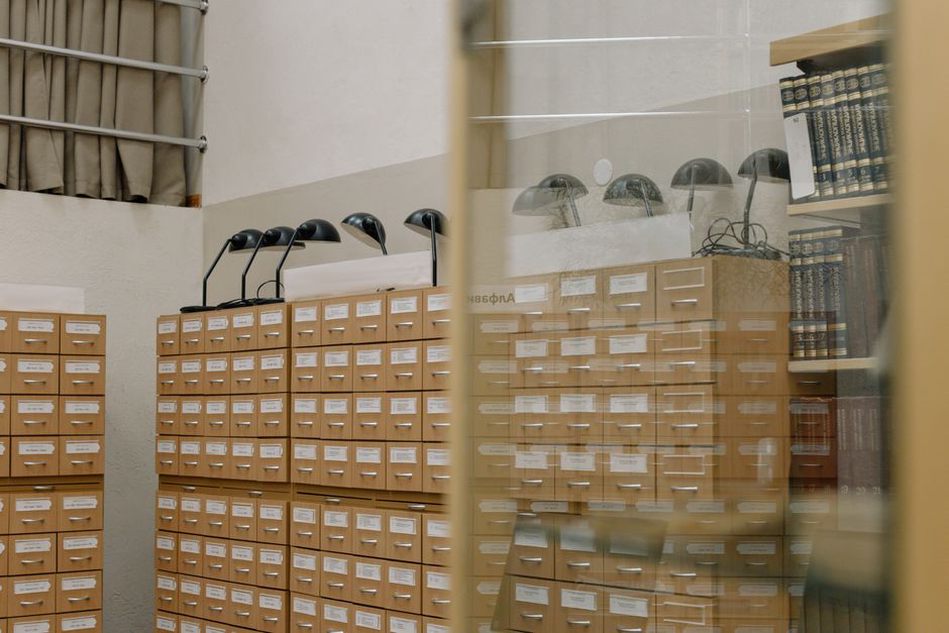
Choose dates that mean something to the material
The retail calendar is not the scene’s calendar. Summer festival months may suit live photographs and programmes. An indoor-show flyer collection could work as a winter feature, provided the archive holds enough documented examples. Anniversaries are useful when a release or event date is established; an approximate year is no basis for an exact-anniversary headline.
Build a modest calendar around the collection rather than assigning a theme to every month. For each proposed feature, note its source material, evidence for the dates, permission status and benefit to readers. Leave empty months empty. Two well-documented weeks are better than a year of thin campaigns.
Separate a seasonal hook from a historical claim
“Festival-season listening” explains why a selection is appearing now. “The defining festival performances of Finnish thrash” claims much more. Without broad evidence, stick to the first kind of language. A seasonal label should help people find material, not revise the standing of artists, shows or releases.
Imagery needs the same care. Snow, darkness and distressed lettering might suit a winter banner, but they can make varied Finnish thrash artwork look like a single aesthetic. Use graphics from the featured material when rights allow, and say what they depict. A new campaign banner must not look like an unidentified period flyer.
Match the promotion to the evidence and permissions
Documenting an item does not clear it for reuse. Owning a cassette or flyer does not establish permission to sell copies of the recording or put its artwork on merchandise. Check the relevant rights before planning either. Where permission is unavailable, a written description, a properly attributed reference image where permitted, or a guide to authorised releases may still serve readers.
Keep a short internal record for each item in a seasonal feature:
- Identity: band, title, format and edition, with uncertain details marked.
- Evidence: the sleeve, insert, flyer, catalogue information or other source supporting the description.
- Permission: what the archive may display, reproduce or sell, including any agreed limits.
- Campaign use: where the item will appear and when the feature will end.
That record helps prevent a qualified catalogue entry from turning into a confident, context-free social caption. If an edition is thought to date from a particular year but has not been confirmed, the promotional copy needs that qualification too.
Keep offers distinct from interpretation
For an authorised item offered for sale, put the terms beside it: the exact edition, condition if it is a physical copy, price, shipping scope and offer dates. Do not confuse scarcity with historical importance. Low remaining stock may warrant an inventory notice; it says nothing about a release’s influence.
Editorial selections should not depend on what the archive can sell. Publish the full feature first, then list any relevant authorised items in a clearly labelled section below. If none meet the permissions standard, the feature can stand alone. Current stock should not shape the archive’s account of the scene.
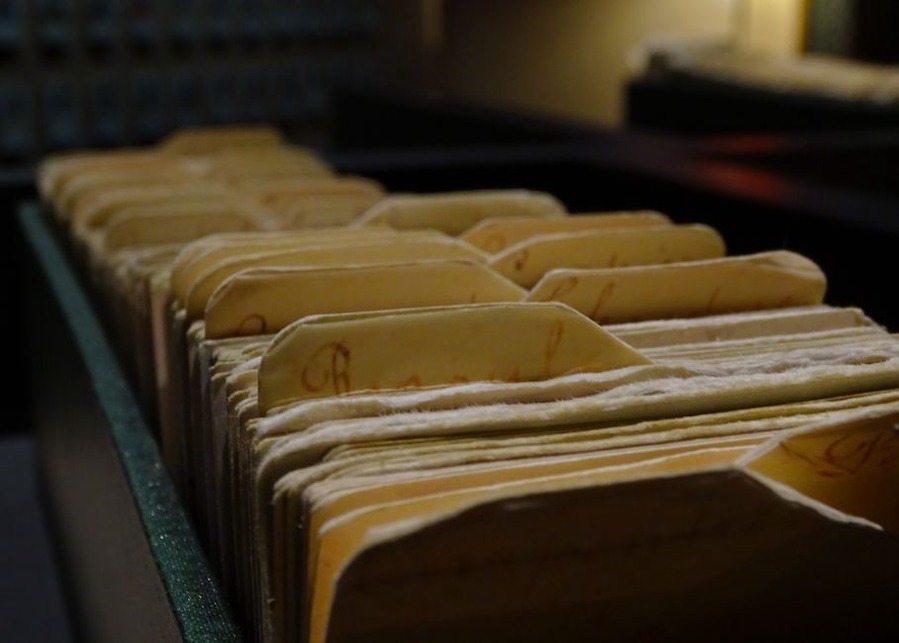
Plan a small campaign that can be maintained
The work continues after launch. Item descriptions need checking, out-of-stock notices need updating, and temporary banners need taking down. Keep the campaign small enough for one editor to check before publication and review when it ends.
- Pick one collection question, such as what surviving show flyers reveal about a particular local circuit.
- Choose a few items that help answer it, rather than everything with a matching visual theme.
- Check dates, credits and reuse permissions against the archive’s records.
- Write the permanent historical text separately from time-limited offer copy.
- Set a date to remove banners, then check that permanent pages still make sense.
Look at whether visitors reached the underlying material: did they move from the campaign page to catalogue entries, send evidence-backed corrections or ask for clearer identification? Sales may help cover costs, but they cannot show whether the historical account was useful or accurate.
Before scheduling the feature, read it without the banners, prices or deadlines. If the remaining text still identifies its sources and explains why they belong together, it can stay in the archive after the campaign. If it cannot, revise the catalogue description first.