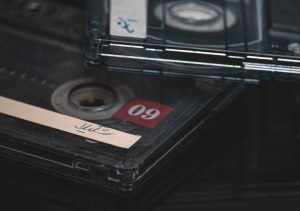
Someone searching for “Finnish thrash demo 2011” may be trying to identify a tape, check its release year or find a legitimate copy. A broad history of thrash metal would make all three answers harder to find. Before planning an archive entry, work out what the reader is trying to do—not just which words they typed.
Separate the query from the reader’s task
Search intent is the answer or outcome a reader wants. A band name followed by “discography” usually calls for a list of releases that’s easy to scan; the same name followed by “2012 lineup” calls for personnel tied to that year. “Finnish thrash bands like 1980s German thrash” asks for a musical comparison, not a full scene chronology.
Short queries leave room for doubt. “Band name demo” could mean a track list, a format check, recording history or availability. Jot down the plausible questions before choosing a page format, then let the archive’s evidence decide which ones you can answer.
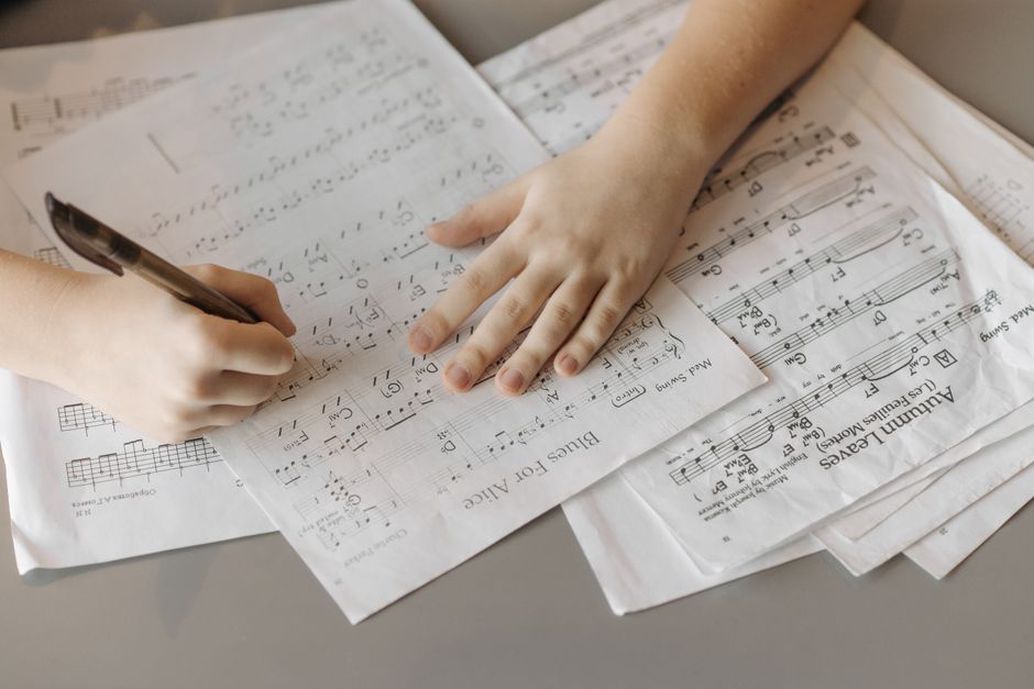
Common intent patterns in a music archive
- Identification: “Which release is this?” Give the title, artist, format, distinguishing artwork and a date supported by evidence.
- Verification: “Is this listing accurate?” Check the track list, credits or release sequence against sources, and mark what remains uncertain.
- Context: “Why does this recording matter?” Relate its sound to earlier material or a documented local scene.
- Comparison: “How do these records differ?” Production, songwriting, personnel and formats are more useful here than isolated descriptions.
- Access: “Where can I hear or obtain it?” Explain known legitimate release channels without pointing to unauthorized copies or suggesting a rare item is still available.
One reader may have more than one question. A collector checking a cassette edition might also want to know where it fits in the band’s development. Answer the immediate question near the top; add context where it helps identify the recording.
Read search results as evidence of expectations, not truth
Result titles and page formats can hint at what readers expect: discographies, interviews, recordings or event details. If retail listings dominate, availability may be part of the question, but the archive need not act like a shop. Nor does a search engine’s short answer verify a release date.
Try a few close variations. “Band name tour 2013,” “band name live 2013” and “band name festival 2013” can lead to different questions. Results may also confuse similarly named acts, repeat an unverified database date or show a later upload of an older recording. Put those ambiguities in the article brief and check reliable records before publishing.
Pay particular attention to years. A year might refer to recording, physical release, digital publication or a performance. Underground demos can be reissued much later, so “Recording and release dates” is often a more useful heading than a lone, unexplained year beside the title.
Match the page shape to the strongest intent
Start the plan with a sentence: “A reader searching this term should be able to…” Finish it with something you can check. “Identify the first independently released recordings by this band” gives you a clearer job than “learn about the band.” The page should serve that job rather than try to fit every topic into one general feature.
- Choose a narrow question. Distinguish a particular cassette edition from a later digital version, for example, instead of covering every release.
- List the facts needed to answer it. These might include title, year, format, track order, credits and the evidence for each claim.
- Check what the archive can substantiate. Sleeves, inserts, dated announcements and documented interviews support different claims. A remembered show alone should not establish a tour date.
- Put the direct answer first. When verification is the main task, follow it with evidence, caveats and then context.
- Make room for related questions. A short section on sound may help identify a pressing, but it should not bury the format details.
A sound-related query calls for another approach. To explain acoustic sections within thrash arrangements, describe what can be heard, identify recorded passages when you can verify them, and discuss what those passages do in the song. A format table helps only if edition differences affect the listening experience. The archive’s piece on acoustic passages in Finnish thrash addresses that listening question; it cannot replace an entry identifying a release.
Account for readers who arrive through imperfect wording
A reader may not know a band’s official spelling, the difference between a demo and an EP, or whether a festival appearance belonged to a tour. Use established names and terms in headings, then explain likely confusion in plain prose. If people commonly call a release a demo but its documented format says otherwise, say so rather than silently adopting the search phrase.
Readers also bring different amounts of prior knowledge. A newcomer may need a little context for a recording; a collector may want exact edition details. A short answer followed by clearly labeled sections can serve both without producing near-duplicate pages for slightly different searches.
Some queries do not need their own article. If several phrasings lead to the same factual question, answer them in one well-structured entry. If the evidence cannot establish a venue, for instance, do not build a page around speculation because the question appears in searches. Keep the gap on the research list and publish only what you can attribute or qualify.
Use intent to decide what not to include
Intent sets limits, too. To confirm a festival appearance, a reader needs the event date, a documented lineup or bill, and any uncertainty in the evidence. A long account of European touring could muddy the answer if the festival was a separate booking. Someone tracing how a local group reached audiences abroad needs a supported sequence of releases and performances, not just a list of cities.
Before drafting, put a two-line brief under the working title: “Primary task: verify the cassette’s track order. Secondary task: explain how this edition differs from the later release.” If a confirmed sleeve and insert disagree, place a labeled note beside the track list. The reader gets the answer where they need it, along with an honest account of what the surviving evidence cannot settle.