
In the late 2000s, Finnish thrash metal bands carved out a distinctive sound, largely thanks to their innovative sound engineering techniques. This period was marked by bands that embraced raw intensity and complex compositions, forging a unique sonic identity. Central to this evolution was the mastery of the riff, a quintessential element of thrash metal, honed through precise sound engineering.
The Role of Sound Engineering in Thrash Metal
Sound engineering plays a pivotal role in thrash metal, elevating it to an art form. Finnish engineers excelled in capturing the genre's aggressive, fast-paced nature while maintaining clarity in each riff. This involved balancing powerful guitar tones with precise drum and bass lines, allowing each component to shine without overshadowing the others.
One major challenge in thrash metal sound engineering is preserving the energy of live performances in studio recordings. Finnish engineers often turned to analog equipment to achieve a warmer, more authentic sound. This approach helped maintain the rawness and intensity that define the genre, steering clear of the overly polished feel that digital processing can sometimes impart.
Techniques for Crafting the Perfect Riff
The riff is the backbone of thrash metal, and Finnish bands meticulously composed riffs that were both intricate and memorable. Sound engineers were crucial in this process, employing various techniques to amplify the impact of these riffs:
- Layered Guitars: Engineers frequently layered multiple guitar tracks to achieve a fuller sound. This technique enriched the harmonic texture, adding depth to the riffs without compromising their sharpness.
- Dynamic Range: Preserving a dynamic range was vital. Engineers carefully adjusted compression and equalization to ensure that each riff retained its punch and clarity, even at high speeds.
- Reverb and Delay: The strategic use of reverb and delay created a sense of space and atmosphere. These effects were applied sparingly, ensuring that the riffs remained tight and focused.

Influences on Finnish Thrash Metal Sound
While Finnish thrash metal drew heavily from the classic thrash sounds of the 1980s, epitomized by bands like Slayer and Metallica, it also integrated elements unique to Finland's musical heritage. The country's cold, dark winters and rich folk music tradition contributed to a sound that was both aggressive and melodic. Finnish sound engineers harnessed these influences, blending them with thrash's intensity to create something entirely new.
For a deeper dive, the unique sound of Finnish thrash metal illustrates how tradition meets innovation in Finnish metal music. This fusion resulted in a sound that resonated well beyond Finland, influencing thrash metal on a global scale.
Recording Techniques and Equipment
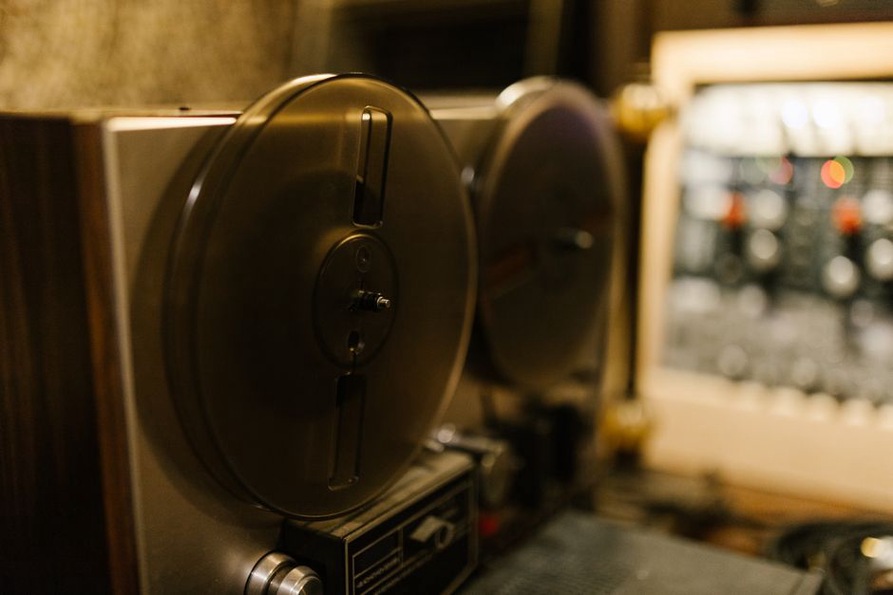
The equipment and recording techniques employed by Finnish engineers were instrumental in defining the sound of this era. Many studios favored analog tape machines for their ability to capture the warmth and depth of sound that digital formats often lacked. Engineers also utilized vintage amplifiers and microphones, which added character and authenticity to the recordings.
Finnish engineers were known for their experimental approach, often modifying equipment to meet the specific needs of a band or track. This hands-on style allowed for a high degree of customization, ensuring that each recording was unique and aligned with the band's vision.
The Impact of Sound Engineering on Live Performances
Live performances are the lifeblood of thrash metal, and Finnish bands were renowned for their electrifying shows. Sound engineering was crucial in translating the energy and precision of studio recordings to the stage. Engineers collaborated closely with bands to perfect the live sound, often replicating studio techniques in a live setting.
Advanced sound systems and skilled engineers ensured that the intricacies of complex riffs were not lost in the live mix. This attention to detail helped Finnish bands distinguish themselves in the European thrash metal scene, as discussed in the rise and influence of Finnish thrash metal.
Conclusion: The Legacy of Finnish Thrash Metal Sound Engineering
The meticulous sound engineering that characterized Finnish thrash metal from the late 2000s to the mid-2010s has left a lasting legacy. By focusing on the perfect blend of aggression and clarity, Finnish engineers and musicians crafted a sound that continues to inspire and influence bands worldwide. Their dedication to sound engineering not only elevated Finnish thrash metal but also made a significant impact on the global metal community.