Write down where each household member should go if they cannot get home. “Meet at home” is not enough: a fire could make the building unsafe, while a flood or road closure could cut off the neighborhood. Choose one meeting place just outside the home and another farther away. Make sure everyone knows how to reach both.
Start with the emergencies that affect your household
List the hazards that matter most where you live and in your daily routines: severe weather, flooding, wildfire, a prolonged power outage or a house fire. Think about events that could separate people, too, such as an emergency during school hours, a closed transit route or a caregiver who cannot arrive on time. Your plan needs to cover staying somewhere safe as well as leaving for a safer place. In an actual emergency, follow local authorities’ instructions; the household plan does not replace them.
Consider what might complicate either response. Someone who uses powered medical equipment needs a plan for outages and evacuation. A person with limited mobility may need help on stairs. Pets may not be allowed at every shelter, and children need to know which adults may pick them up. Put those details in writing rather than assuming everyone knows.
Set meeting places and a communication chain
For an immediate exit, choose an outdoor spot a safe distance from the building, such as a particular street corner. Pick a second place outside the neighborhood in case the nearby area is closed. Use exact locations instead of “near the park.” If getting to either place means crossing a likely hazard, choose another route or location.
Ask an out-of-area contact to receive status updates. During a local disruption, someone who cannot reach another household member may still be able to contact a person elsewhere. Give everyone that contact’s name and number, and agree on a short message: name, current location, whether they are safe and where they intend to go next. Texts sometimes get through when calls do not, but neither is guaranteed. For times when phones do not work, carry a written contact card and use the agreed meeting places.

Make the contact sheet usable under pressure
- List household members, essential phone numbers and the out-of-area contact.
- Include both meeting places, their addresses and any important access instructions.
- Record school, childcare and workplace emergency procedures, including approved pickup arrangements.
- Add relevant medical information, such as allergies, medication names and where necessary supplies are kept. Include sensitive details only where they are needed.
Give copies to the people who need them. Keep a paper copy at home and a compact version in a bag or wallet. A phone copy helps, but it should not be the only one. If a child cannot carry a phone, make sure they can identify a trusted adult and know whom to ask for help.
Decide what happens at home, at school and on the move
Walk through the home and identify exits from rooms where people sleep. Check that everyone can operate the doors and windows they might need. In a fire, get out, stay out and call emergency services from a safe location. No one should be sent back for belongings. Decide who will help a young child or another household member, and name a backup in case that person is away.
For an emergency that calls for staying indoors, choose a place based on local guidance for that particular hazard. A good location during a severe windstorm may be dangerous during a flood. One universal “safe room” cannot cover every event.
Find out how schools, childcare providers and workplaces send alerts and manage releases. Ask what happens if the usual pickup adult cannot arrive and what identification an alternate adult will need. Older children who travel independently should know whether to remain at school, go to a designated place or contact an adult before moving. Do not send anyone toward a damaged area just because home is the usual destination.
Prepare for leaving quickly or staying longer
Keep essential supplies somewhere you can reach without searching through closets. Amounts depend on your household and local guidance, but account for drinking water, food that needs little preparation, necessary medication, basic first-aid items, a flashlight, batteries or charging options, hygiene supplies, warm clothing and sturdy shoes. Add infant supplies, mobility aids or pet food if needed. Check how medications must be stored, and ask a pharmacist or clinician about safe backup arrangements rather than changing a prescription yourself.
Set aside a small grab-and-go collection of items that would be hard to replace during a disruption: identification, insurance information, essential contact details, keys and copies of important documents. Store originals securely and protect copies from water. If you may need to evacuate, decide how pets will travel and who will take their carriers or leads.
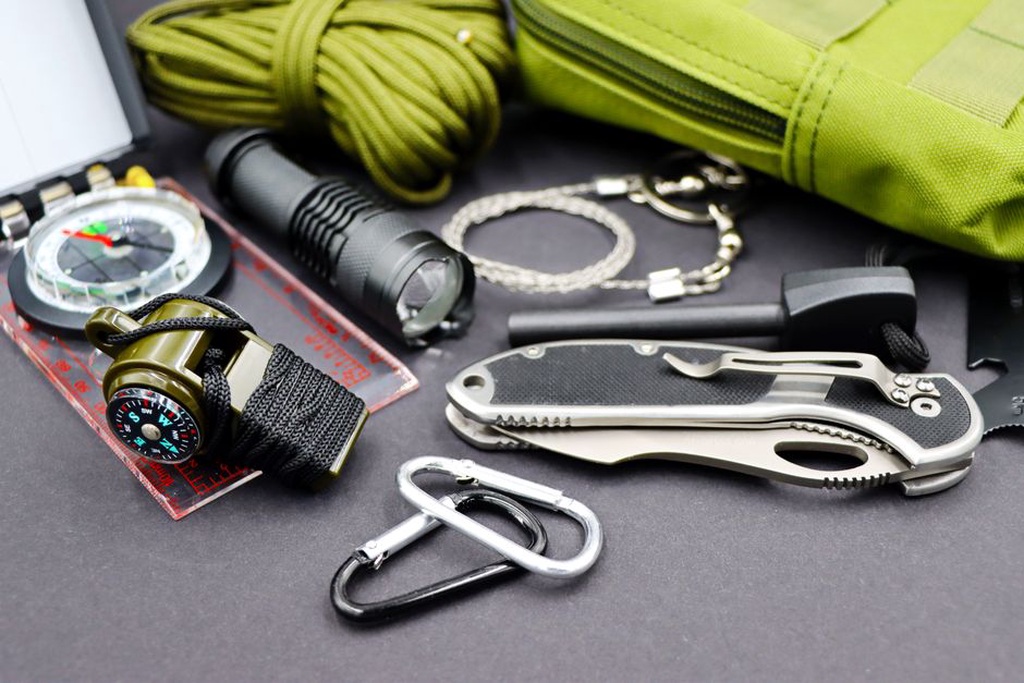
Identify at least two ways out of your area if practical; a familiar road may be closed. If you rely on a vehicle, account for what it needs. If you do not drive, work out another way to reach a safe place. For anyone who may need evacuation assistance, ask local emergency management or relevant care providers about registration or support options. Do not assume a registry guarantees transport.
Practice, then fix the parts that fail
Run a short drill when everyone is home. Practice leaving the building and meeting at the nearby spot without collecting possessions. Another time, test the communication plan: have each person send the agreed status message to the out-of-area contact, or explain what they would do without a working phone. Tell children it is practice, not a real emergency, and adapt the drill to their age and needs.
Fix whatever was unclear. If someone could not find the meeting point, add its address and a recognizable landmark to the contact card. If supplies were hard to reach, move them. Review the plan whenever phone numbers, schools, medications or household members change, and check supplies for expired items. Write the next review date on the contact sheet so an outdated copy is easy to spot.