A shirt may look sturdy on a hanger, then give way at the underarm seam or stretch out at the collar. For anyone spending evenings in crowded venues, carrying records or equipment, or travelling between shows, those points of strain matter more than a thick fabric or a striking print. Construction and fit decide how well a garment holds up in use.
Start with the wear the garment will face
Everyday clothing does not need to be built like protective workwear. It does need to suit the way you wear and wash it. Walking to shows through wet streets may be harder on trouser hems and shoe uppers than on a jacket's elbows. A shoulder bag can abrade one side of a shirt. Cuffs, pocket openings and inner thighs take plenty of wear too.
Before replacing something, look at where the old item failed. A split seam may point to construction or fit; fabric worn thin in one spot suggests friction. If a top lost its shape but stayed intact, how well the fabric recovers after washing matters more than seam strength. That brief check is more useful than simply buying the heaviest garment you can find.
Judge fabric by its job, not its label alone
Fiber content tells only part of the story. Tightly woven cotton trousers may resist snags, while a loosely knitted cotton shirt may lose its shape quickly. Denim varies in weight and construction; a thick pair can still be uncomfortable if the cut restricts movement. Hold the fabric up to the light and gently spread it between your fingers. If the structure looks unusually open for an item meant for frequent, hard wear, take a closer look.
T-shirts and other knits
On a daily T-shirt, inspect the neckband and side seams, then gently stretch a small section of fabric and release it. The knit should return close to its original shape. The ribbed collar should lie flat rather than ripple or feel loose. Cotton can be comfortable and easy to wash, but weight alone will not tell you whether a shirt will twist or sag. The knit, finish and laundering all play a part.
Give band shirts the same scrutiny as plain ones: the print and the shirt beneath it are separate questions. A good design on a poor-quality blank may crack, fade or lose its shape quickly. Wash a printed shirt inside out according to its care label, and keep a hot iron off the design. If the shirt marks a particular show or independent release, caring for it lets you keep wearing a piece of scene history.
Trousers, overshirts and outer layers
Trousers need strength where movement meets friction. Check the crotch seam, seat, pocket bags and belt loops, not just the outer fabric. On an overshirt or light jacket, look for secure buttons and stable cuffs, then reach forward: it should not pull hard across your back. If you plan to wear it over a T-shirt and another layer, try it on that way. Tightness under the arms can wear out fabric and stitching sooner.
For rain protection, do not confuse water resistance with lasting waterproofing. A coating may shed light rain, then become less effective with wear and laundering. A jacket meant for prolonged rain also needs suitable seams and closures. Follow its care instructions; the wrong detergent or drying method can reduce its performance.

Inspect construction in a few minutes
Price, brand reputation and country-of-origin labels cannot replace a close look at the garment in front of you. Even two examples of the same item may differ slightly in finishing. You can check the essentials without specialist equipment:
- Seams: Look for even stitching without skipped sections or loose loops. Gently pull the fabric on either side; visible gaps should not open along the seam.
- Stress points: Inspect pocket corners, the base of a zipper and belt loops for secure stitching, especially where they will bear weight or repeated pulling.
- Edges: Turn up a hem or cuff. Neatly enclosed edges are less likely to fray than exposed, untidy ones, though finishes vary by fabric.
- Fastenings: Open and close zippers and buttons. A zipper should move without catching the fabric around it, and buttonholes should not already be unraveling.
- Pattern alignment: On striped or checked clothing, badly mismatched pieces may suggest hurried cutting or sewing. Alignment is a clue, not a guarantee of strength.
None of these features is an absolute rule. A lightweight summer shirt may reasonably have fine fabric and small seams. A pair of trousers that will regularly carry a full pocket has different demands.
Fit is part of durability
Constant tension wears clothing faster. When trying on trousers, sit down, climb a step if you can, and bend to pick something up. The waistband should stay comfortable, without the seams feeling strained at every movement. In a top, reach forward and overhead. Watch for sleeves pulling at the shoulder or a hem riding up sharply.
Excess fabric can cause trouble as well. Long hems drag on wet pavement; loose cuffs may catch on cases or door hardware. Taking up a hem is often simpler than repairing fabric worn away at the bottom. With secondhand clothing, factor alterations into the total cost and check that there is enough fabric to make them.
Test footwear while moving, too. Walk on a firm floor instead of judging shoes while standing still. Your heel should not slip excessively, your toes need room, and the sole should feel secure where it joins the upper. Putting up with rubbing will not make shoes more durable; discomfort may leave them unworn or change the way you walk in them.
Compare cost by use, with limits
A lower price can make sense for something worn occasionally. For clothes used several times a week, try estimating cost per wear: divide the purchase price by the number of times you expect to wear the item. Trousers costing €60 and worn 120 times come to €0.50 per wear before cleaning or repairs; a €30 pair worn 20 times comes to €1.50. You cannot know a garment's lifespan in advance, but the calculation puts likely use beside the price tag.
Comfort and care belong in the reckoning. An expensive shirt that needs special cleaning may be a poor everyday choice. A cheaper item that fits well and can be repaired may serve you better than a stronger one left in the wardrobe because it feels stiff or overheats on a packed venue floor.
Secondhand garments offer one useful clue: you can see how they have held their shape after wear and washing. Inspect elbows, collars, cuffs, inner thighs and the area beneath a bag strap. Check for odors that may be hard to remove, and read the care label. A missing button is usually easier to deal with than fabric thinning across a large area.
Care and repair extend useful life
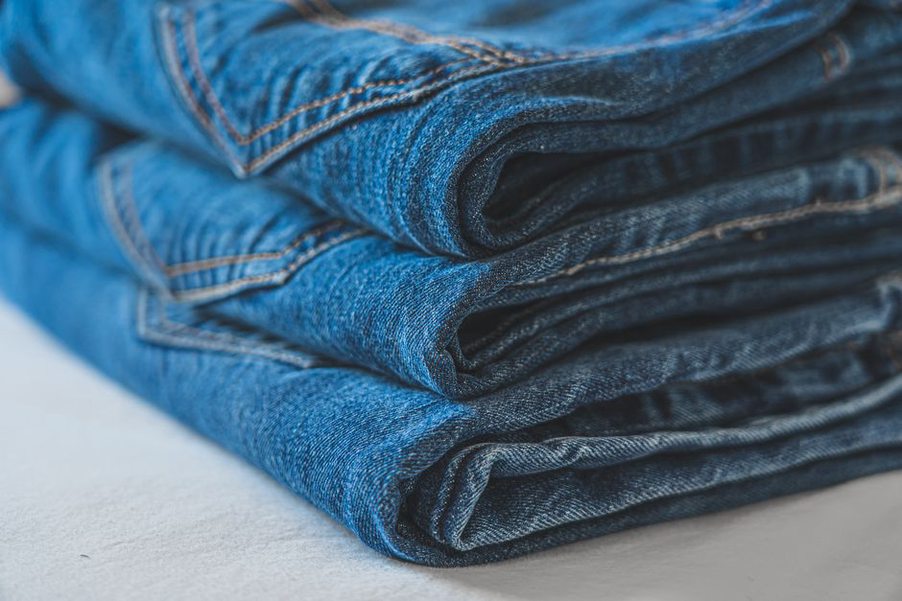
Follow the care label rather than assuming hotter water will give a better clean. Frequent hot washes and aggressive drying can shrink or fade clothing and damage elastane or prints. A lightly worn outer layer may only need airing between washes; clothes worn against the skin usually need washing more often. Clean spills promptly, before a stain becomes the reason an otherwise sound garment goes unworn.
Deal with small faults before they spread. Sew on a loose button while you can still see where it belongs, and close a short seam opening before more stitches pull free. A patch inside a thinning trouser knee can add support without changing the look much. For a zipper, lining or complicated seam, ask a repairer for a price before deciding what to do.
Keep a small kit with matching or neutral thread, a needle, spare buttons and a few safety pins. After the next wash, check your most-worn garment where it usually takes strain—perhaps the pocket corner of the trousers you wear to gigs. A few loose stitches are easier to secure now than a torn pocket is to fix after it has held your keys.