
An independent thrash release review could sit under Bands, Releases, Reviews, Finnish Thrash, and its release year. Assigning all five does little to help a reader find it. Instead, it leaves five overlapping shelves and no obvious place to start. Give the post a category that reflects its main purpose; its title, text, tags, or structured fields can carry the rest.
For a Finnish thrash-metal archive, categories should act as a small map. A listener might want release coverage, a collector might need discography information, and another reader might be looking for accounts of concerts and festivals. The categories need not list every band, format, city, year, or influence represented in the collection.
Start with the routes readers actually need
Look at what the archive already holds and what you expect to publish regularly. An archive covering the late 2000s through the mid-2010s might include release histories, band profiles, local shows, festivals, European tours, and pieces on sound or visual aesthetics. Those could become routes through the collection. One post about a rehearsal-room photograph is not enough reason to add a Photography category.
For each post, write down the main reason someone would open it. A piece following a band’s independent recordings across several releases is probably about its discography. An account of a documented festival appearance belongs with live-scene coverage. Counting every subject mentioned is less helpful: a tour article can discuss a release and two other bands without becoming three kinds of article.
Those reader purposes are worth separating. Someone tracing a band’s releases may take a different route from someone looking for a particular show. A separate discussion of reader personas for a Finnish thrash-metal archive can help clarify what each reader needs; categories should give the most common purposes a short, predictable path.
Use categories for recurring editorial subjects
Bands, Releases, Live Scene, and Scene & Sound could be a starting set. Use the names that fit the archive’s holdings, rather than treating these as a template:
- Bands groups profiles and histories in which a group’s development is the main subject.
- Releases holds coverage centered on recordings, formats, and discographies.
- Live Scene covers documented concerts, festivals, and touring as events or patterns, rather than incidental background.
- Scene & Sound holds broader pieces about musical approaches, visual aesthetics, and community context that are not primarily about one band or release.
These are working definitions, not shelves that must be filled immediately. If Scene & Sound has one article and no clear prospect of more, leave that article in an existing category for now. If coverage of independent releases grows, give Releases a clearer description before splitting it into narrow offshoots.
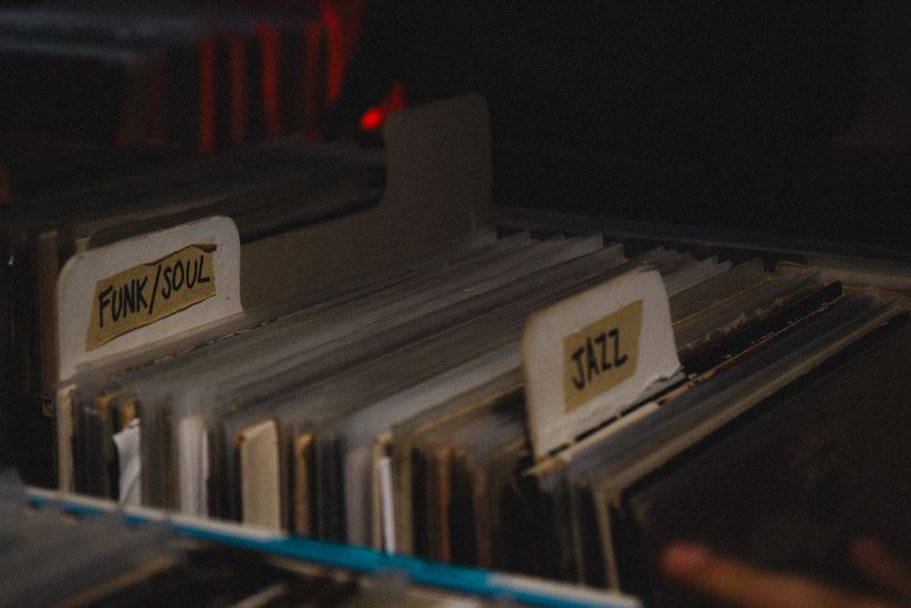
Keep each category distinct enough to make a choice
Two category names should not routinely compete for the same posts. Bands and Band Histories demand a distinction many readers will never notice. Concerts, Gigs, and Live Reports are likely to split one useful route into three. Choose the clearest term, and use titles or tags for finer distinctions when they help.
A short description can settle close cases. “Live Scene: articles primarily about performances, festivals, and touring” explains why a report belongs there, while a band profile mentioning three concerts stays in Bands. The description does not have to appear prominently on the site; it can serve as an editorial rule in the publishing system.
Try assigning ten existing posts. If several need special exceptions, revise the definitions. If most fit two categories equally well, the categories probably overlap. Include the awkward posts in the test, not just the easy ones.
Choose one primary home when possible
Suppose a piece traces a group’s recorded output and briefly discusses how the songs changed onstage. If the release sequence drives the piece, its primary home is Releases. A concert account that mentions what the band was promoting belongs in Live Scene. A second category can make sense when both subjects get substantial, independent attention, but it should be a choice, not a habit.
Publishing systems handle multiple categories differently: some list a post in several archives, while others designate one as primary for site menus. Check how yours displays both. Add a second category when someone browsing either archive would find the whole article relevant, not just a passing mention of the subject.
Separate categories from tags, dates, and search
Categories mark broad, lasting sections of the publication. Tags connect posts across those sections by a specific subject: a band, a recurring festival, a release format, or a defined theme such as cover songs. A release article and a live report can share a band tag while keeping different category homes. There is no need to tag every noun.
Dates answer another question. A reader studying this period may need to know when a concert took place, when a recording came out, and when the archive article was published. A year category confuses those dates unless its meaning is explicit. Put event and release dates in the appropriate fields or prose, and say when the documentation does not support a precise date. Add a year-based browsing tool only if the collection is large enough to warrant one, and label it by the date it represents.
Geography calls for the same restraint. Finland defines the archive’s scope, so a Finnish Thrash category adds little if nearly every post belongs there. A documented city can work as a consistent tag or field. European touring may sit in Live Scene, with locations left as searchable details, unless cross-border touring becomes a substantial subject of its own.
Search and internal links can do work that categories cannot. Someone seeking a particular demo or a supporting band on a bill may get further with a searchable article and clear headings than with a category containing two entries. A single lookup problem does not need a permanent section.
Build a small category plan from real posts
Make an inventory of published posts and pieces you reasonably expect to finish. Give each a tentative primary category. Notes such as “mostly release history” or “festival context, not a performance review” show where the boundaries need work. Do not build the plan around coverage that may never be researched or published.
- Group by primary purpose. Put posts together when someone would browse them for the same reason, even if they concern different bands or years.
- Name the groups plainly. Releases is easier to use than a clever label that needs explaining.
- Write a one-sentence scope rule for each. Say what belongs and, where confusion is likely, what does not.
- Test the awkward cases. Place pieces that cross band, release, and live history, then decide if a secondary category genuinely helps.
- Inspect the resulting archive pages. Each should offer a coherent selection to browse, not just a tidy label in the editor.
There is no ideal number of categories. Four may be plenty for a small publication; a larger collection may need more. Add one when it creates a useful route that can be maintained without arbitrarily pulling posts out of another section.

Avoid category trees that outgrow the collection
It can be tempting to place Concerts, Festivals, and Tours beneath Live Scene. That only helps if each child page has enough material to browse and the divisions stay clear. An archive with one festival account and two tour pieces is easier to use with a single Live Scene page; the titles can tell readers what each piece covers.
Subcategories also create decisions every time you publish. If a festival article documents one set and examines how a band played material from an independent release, does it belong under Festivals, Concerts, or Releases? When the distinction takes lengthy house rules, a broad category and a precise title are usually more dependable.
Do not send difficult posts to “Other” by default. A few uncategorized exceptions may point to a gap, but a large miscellaneous section gives readers little reason to browse. Check the scope rules first: classified by its main purpose, the post may already have a home. If several substantial posts share a new purpose, then consider a new category.
Let titles and post structure provide the detail
Category names are not the only clues on an archive page. “A Band’s Independent Releases: Format and Sequence” tells a reader more than an Independent Releases subcategory would. An excerpt can distinguish a documented discography from an interpretation of production style. Inside the article, headings can separate recordings, performance context, and unresolved details without making each section a category.
That matters in historical music writing, where one source can support several angles. A surviving flyer might inform a local-show account, a band history, or a piece about scene networks. Classify the published article by what it does with the evidence, not by every possible use of the source.
Check the system after readers begin using it
Revisit categories once a meaningful batch of new posts has accumulated, rather than renaming one whenever an unusual article appears. Look for thin category pages, pairs with heavily overlapping contents, and broad sections whose titles give no useful clue about what is inside. Read the post titles together as a visitor would.
Before renaming or merging a category, check the practical consequences. Its archive address may change, while menus, internal references, and saved bookmarks may still point to the old one. Keep redirects if the publishing setup allows them, and check that posts remain in sensible archives afterward. A better label is no help if it breaks existing routes into the collection.
Keep a brief record of category names and scope rules with the editorial workflow. Another contributor should be able to classify a post without a long taxonomy manual. When a new category is proposed, ask which existing posts would move, which planned posts would use it, and what browsing problem it solves.
For the next cross-topic post, jot down its main purpose before opening the category menu: “This article traces the release sequence; the concert references explain reception.” Make Releases its primary home. Keep the documented show details in the article, and add a band tag only if the archive uses that tag consistently elsewhere.