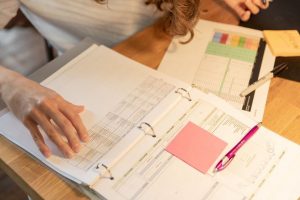
Three portions of cooked rice in the fridge could become lunch, a quick dinner and the start of a soup. What else is on hand will decide which of those meals makes sense. Before looking up recipes or making a shopping list, check the fridge, freezer and cupboards. Note what needs using soon: an open bag of carrots or yesterday’s roast vegetables can give you a cheaper starting point than a recipe that sends you out for every ingredient.
Set a budget and a realistic planning window
Decide how much you can spend on groceries over a set period, such as a week, taking meals already at home into account. Allow for breakfast, lunch, dinner and snacks, as well as basics that may need replacing, such as oil or milk. If you visit several shops, keep one running total. Your recent receipts will tell you more about likely costs than a sample budget; prices change by place and season.
For your first plan, choose three or four dinners rather than seven different ones. Leave room for leftovers, something from the freezer and a night when plans change. Think about how many people each meal needs to feed and how much cooking time you have on each day. A cheap recipe loses its appeal if it takes long enough to make takeaway tempting.
A meal plan need not be a fixed calendar. You might choose lentil soup, egg-and-vegetable fried rice and pasta with tomato sauce, then decide when to cook each one. Use the most perishable ingredients first; save frozen and cupboard staples for later in the week.
Build meals from flexible ingredients
Begin with foods you like and can cook without much trouble. For each meal, think about a filling base, a protein food, some vegetables or fruit, and a sauce or seasoning. Rice, potatoes, oats and pasta make useful bases. Beans, lentils, eggs, tofu, canned fish or modest amounts of meat can supply protein. Fresh produce has its place, but frozen and canned options can be just as useful in a plan. Aim for variety over time; you do not need a fresh set of ingredients for every dinner.
Look for ingredients that can do more than one job. A bag of carrots could go into soup, a tray of roast vegetables and lunch wraps. Cabbage works shredded in slaw or sautéed with noodles. When a package holds more than one recipe calls for, decide how you will use the rest before you buy it.
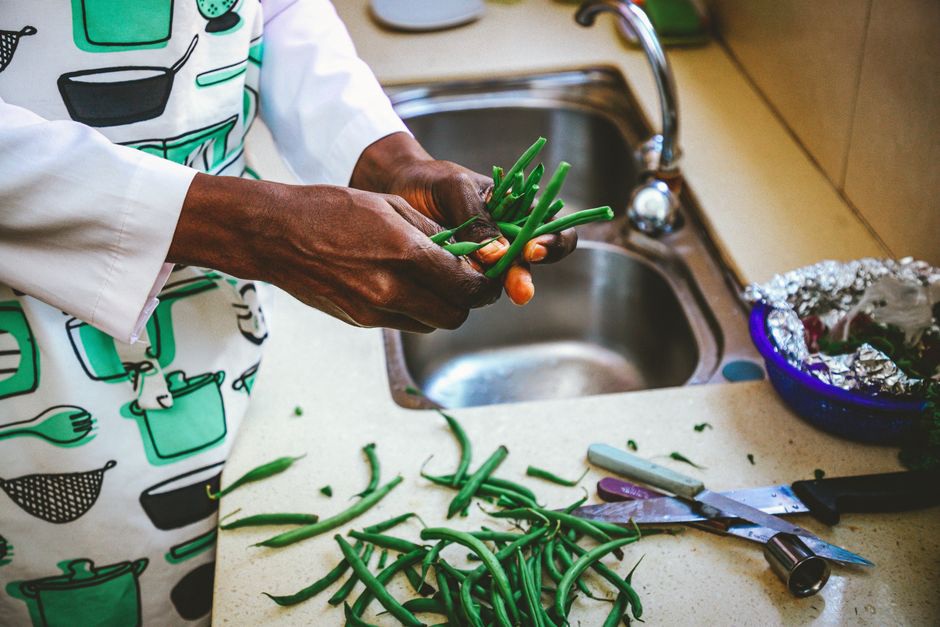
Use a simple meal-building pattern
- Pick two or three bases: perhaps potatoes, rice and oats. Check what you already have.
- Choose proteins that go with them: beans can sit alongside rice, go into soup or fill a baked potato.
- Choose produce with different storage lives: use delicate greens early; carrots, cabbage and frozen vegetables can wait.
- Use familiar flavorings: garlic, spices, vinegar or a favorite sauce can give repeated ingredients a different taste.
Cutting costs does not mean setting nutrition aside. The BBC Food guide to eating well on a budget has more ideas for turning affordable ingredients into satisfying meals. Keep any dietary advice from a qualified professional in mind alongside general guidance.
Write the shopping list from the plan
Once you have chosen your meals, list the quantities they require and cross off what is already at home. Group what remains by produce, refrigerated foods, frozen foods and cupboard goods. You will be less likely to buy something twice, and it will be easier to compare prices in the shop.
Look at the price per unit—per kilogram, pound, liter or serving—not just the price on the package. A larger pack might cost less per unit but more at the checkout, and it saves money only if you can use or safely store it. A small bag of greens may be the better buy if half a larger one would spoil. For canned beans, compare drained weight when the labels show it; for meat, consider how much of the pack is edible.
Store brands and seasonal produce can help keep costs down, but check the prices in front of you. Frozen vegetables may be cheaper than fresh on one trip and dearer on another. A sale is useful when the item fits your plan, storage space and budget. Three unfamiliar discounted items can still push the bill up.
A small plan in practice
Suppose you have rice, pasta, an onion and a can of tomatoes. Eggs, carrots, cabbage, dried or canned lentils, and frozen peas could take you through several meals. Your list—and its cost—will depend on local prices, package sizes and dietary needs.
- First dinner: lentil and tomato soup with onion and carrots; make enough for another serving.
- Second dinner: pasta with some of the tomato-and-lentil mixture, loosened with water and adjusted with seasoning to make a sauce.
- Third dinner: rice with eggs, cabbage and peas. Use previously cooked rice only if it has been cooled and stored safely.
- Lunch: a reserved portion of soup, with fruit or another side if available.
This is a sketch, not a nutritionally complete prescription. It shows how a few purchases can work with food already in the kitchen. If you cook for one, portion leftovers promptly. For a household, work out the quantities before shopping rather than assuming one batch will cover two meals.
Make leftovers a planned ingredient
Leftovers are most useful when you know where they are going. Before making a double batch, decide whether the extra portions are for lunch, another dish or the freezer. Label frozen containers with their contents and the date. Clear containers, or a short list on the freezer door, make it easier to see what is there.
There are food-safety limits to stretching meals. Refrigerate perishable cooked food promptly, follow local storage guidance and reheat leftovers thoroughly. Take particular care with cooked rice: cool it quickly, refrigerate it promptly and do not leave it at room temperature. If you are unsure how long food has been stored or whether it was handled safely, smell alone is not a reliable test.
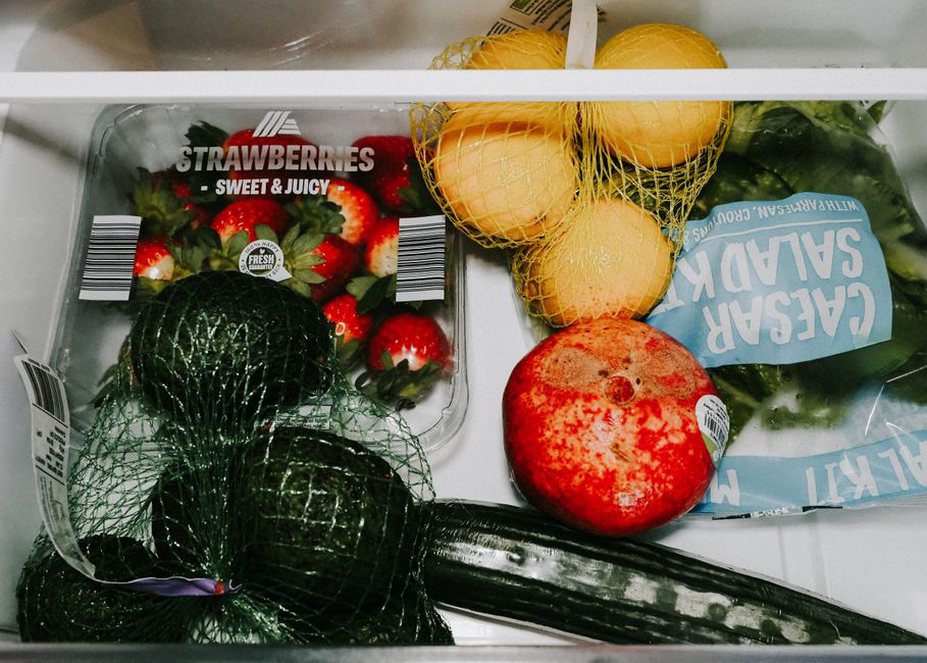
Using leftovers need not mean eating the same plate twice. Roast vegetables can fill an omelet; cooked beans can go into soup or be mashed for a sandwich filling. Where possible, store components separately so you can season them differently later. And if you dislike reheated meals or have little freezer space, skip the big batch-cooking session. One extra portion is still worth making.
Adjust the plan to your real week
Keep a low-effort meal in reserve for a tiring night: eggs on toast with frozen vegetables, perhaps, or pasta with canned tomatoes and beans. Check that the ingredients are actually there. A pantry meal that exists only in your head will not spare you an unplanned purchase.
For a few shopping trips, save receipts or note what you spent. Also mark anything that spoiled, ran out early or went unused. If produce keeps spoiling, buy less or try frozen. If portions are too small, increase the filling ingredients before deciding the whole budget needs to change. There is no need to account for every bite.
When schedules shift, a flexible list may serve you better than assigned menus: two quick meals, one that makes leftovers and one pantry meal. Limited equipment changes the choices, too. With only a pot, microwave or single burner, plan around meals you can actually cook.
Before your next shop, look through one shelf and one fridge drawer. Pick out the food most likely to expire, choose a meal that uses it, then put only the missing ingredients on your list.